Sugar Sprint
Pisum sativum 'Sugar Sprint'
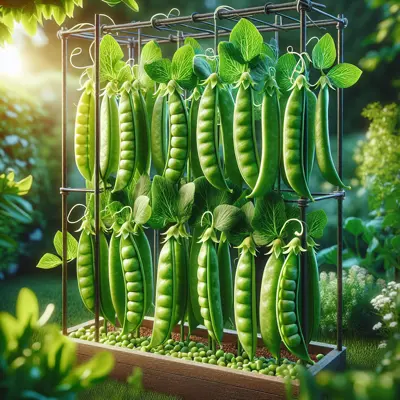
An early-season snap pea that delivers sweet, crunchy pods in record time. This compact variety is perfect for impatient gardeners who want to harvest delicious snap peas within 60 days of planting. The vigorous plants produce abundant 3-inch pods that are excellent for fresh eating, stir-fries, or freezing.
Harvest
60-65d
Days to harvest
Sun
Full sun to partial shade
Zones
2–11
USDA hardiness
Height
12-18 inches
Planting Timeline
Showing dates for Sugar Sprint in USDA Zone 7
All Zone 7 pea →Zone Map
Click a state to update dates
Sugar Sprint · Zones 2–11
Growing Details
Succession Planting
Direct sow Sugar Sprint every 14-21 days starting as soon as soil reaches 45°F — late February or early March in zone 7. Stop by late April. Once daytime highs are consistently above 80°F, germination drops off sharply and any plants that do emerge will stall and set poor pods. Peas don't push through heat; they just quit.
For a fall run, start back up in mid-August to early September in zone 7, which gives the 60-65 day crop time to finish before hard frost. Soil is warm enough in late summer that seeds germinate faster than in spring, so the fall window is actually shorter — don't push past mid-September or you'll be racing the first freeze with pods still on the vine.
Complete Growing Guide
Starting with your soil is crucial for Sugar Sprint's success. Work in 2-3 inches of well-aged compost to a depth of 8 inches, ensuring your pH sits between 6.0-7.0. Peas are nitrogen-fixers, so avoid high-nitrogen fertilizers that promote leafy growth at the expense of pods.
Direct sowing is your best bet with Sugar Sprint. Plant seeds 2-4 weeks before your last expected frost when soil temperature reaches 45°F. In zones 7-9, this means February plantings; zones 4-6 should aim for March. Space seeds 2 inches apart in rows 18 inches wide, planting 1.5 inches deep. Soak seeds overnight in lukewarm water to speed germination by 3-4 days.
While Sugar Sprint is more compact than traditional peas, you'll still get better yields with support. Install 4-foot trellises or bamboo poles at planting time to avoid root disturbance later. The tendrils will naturally grab onto mesh or string supports.
Water consistently but never let soil become waterlogged. Sugar Sprint needs about 1 inch weekly, with morning watering preferred to reduce disease pressure. Mulch around plants once they're 4 inches tall to retain moisture and suppress weeds.
Avoid these common mistakes: Don't plant too deep in heavy clay (go shallow at 1 inch), never work around wet plants (spreads disease), and resist the urge to over-fertilize. Side-dress once with compost tea when flowers appear if your soil is poor.
For maximum yield, harvest pods every 2-3 days once they start producing. This signals the plant to keep flowering rather than going to seed. In hot climates, provide afternoon shade once temperatures consistently hit 75°F to extend your harvest window.
Harvesting
Sugar Sprint pods are ready when they're bright green, glossy, and about 3 inches long with peas just beginning to swell inside. The pods should snap crisply when bent – this is your prime harvest window. Test by gently tugging a pod; ripe ones release easily from the vine with minimal pressure.
Harvest in the morning after dew dries but before afternoon heat sets in. This ensures maximum crispness and sweetness. Hold the vine steady with one hand while picking with the other to avoid damaging the delicate plants. Look for pods that feel plump but not bulging – once the peas inside become prominent lumps, the pod walls turn tough and stringy.
Pick every other day during peak season, as Sugar Sprint can go from perfect to overripe quickly in warm weather. Even if you can't use them immediately, keep harvesting to maintain production. The entire harvest window typically spans 2-3 weeks from first pod to final flush.
Storage & Preservation
Fresh Sugar Sprint pods maintain peak quality for 3-4 days when stored unwashed in perforated plastic bags in your refrigerator's crisper drawer. Keep humidity high but avoid moisture buildup that causes rot.
For freezing, blanch whole pods in boiling water for 2 minutes, then immediately plunge into ice water. Drain thoroughly and freeze in single layers on baking sheets before transferring to freezer bags. Properly frozen Sugar Sprint keeps for 8-10 months.
Dehydrating works well for pods that are slightly past prime – slice them thin and dry at 125°F until crisp. These make excellent soup additions or can be ground into powder for seasoning. You can also ferment young pods in 2% salt brine for 3-5 days to create tangy pickled peas that keep refrigerated for several weeks.
History & Origin
Sugar Sprint represents modern plant breeding's focus on speed and efficiency in the garden. Developed in the 1990s by American seed companies responding to the growing demand for quick-maturing vegetables in smaller garden spaces, this hybrid was specifically bred to combine the sweetness of snow peas with the satisfying crunch of snap peas while dramatically reducing time to harvest.
The variety emerged from crosses between early-season shelling peas and Asian snow pea varieties, incorporating genes for compact growth habits and concentrated pod set. Plant breeders selected for plants that would channel energy into rapid pod development rather than extensive vine growth, making it ideal for container gardening and succession planting.
Sugar Sprint reflects the shift toward 'impatience gardening' – varieties designed for gardeners who want quick results without sacrificing quality. Its development paralleled similar breeding efforts that created fast-maturing versions of traditional crops, responding to urban gardeners' needs for productive plants in limited growing seasons.
Advantages
- +Exceptional 60-65 day maturity makes it ideal for short growing seasons and succession planting
- +Compact 2-3 foot height eliminates need for tall trellising systems
- +Concentrated pod set delivers most harvest within a 2-week window for efficient processing
- +Strong powdery mildew resistance reduces need for fungicide treatments
- +Pods maintain sweetness even when slightly overripe, providing harvest flexibility
- +Cold tolerance allows very early spring planting when other crops must wait
- +Heavy yields despite compact size – often 20-30 pods per plant
Considerations
- -Hybrid variety means you cannot save seeds for next year's planting
- -Short harvest window requires frequent plantings for continuous supply
- -Heat sensitivity stops production quickly once temperatures exceed 80°F consistently
- -Compact size means lower total yield compared to full-sized pea varieties
- -Still requires trellising despite shorter stature for best production
Companion Plants
Carrots and radishes are the most practical companions here. They occupy different soil depths — carrots reaching 6-12 inches down while pea roots stay shallow — so competition is minimal. Radishes also help break up the top inch of soil crust, which lets pea seedlings push through more easily, and they can act as a lure for flea beetles away from your peas. Lettuce and spinach tuck well underneath; pea vines cast just enough shade to extend the cool-season window for both crops by a week or two, and none of these are heavy nitrogen feeders fighting over the same resources.
Skip the alliums — onions and garlic release sulfur compounds that appear to suppress pea germination and stunt early root development. Keep at least 12 inches of separation if they're already in the bed. Gladiolus shares several of the same soil-borne pathogens, including Fusarium root rot, so putting them next to peas just doubles your exposure in the same square footage.
Plant Together
Carrots
Peas fix nitrogen in soil which carrots need, carrots don't compete for space
Radishes
Break up soil for pea roots, mature quickly before peas need full space
Lettuce
Low-growing crop that benefits from nitrogen fixed by peas, provides living mulch
Spinach
Cool-season companion that thrives with nitrogen from pea roots
Marigolds
Repel aphids and other pests that commonly attack pea plants
Nasturtiums
Act as trap crop for aphids and cucumber beetles, repel squash bugs
Chives
Repel aphids and improve growth of nearby pea plants
Mint
Deters ants and rodents that may eat pea seeds and pods
Keep Apart
Gladiolus
Competes heavily for nutrients and can inhibit pea pod development
Onions
Can inhibit pea growth and nitrogen fixation through root compounds
Garlic
Allelopathic compounds can stunt pea growth and reduce yield
Nutrition Facts
Per 100g serving. % Daily Value based on 2,000 calorie diet. Source: USDA FoodData Central (FDC #170419)
Pests & Disease Resistance
Resistance
Good resistance to powdery mildew and pea enation virus
Common Pests
Aphids, pea weevil, thrips, cutworms
Diseases
Powdery mildew, root rot, bacterial blight, downy mildew
Troubleshooting Sugar Sprint
What you'll see, why it happens, and what to do about it.
Leaf tips curling, sticky residue on stems and foliage, often with tiny green or black clusters visible
Likely Causes
- Aphid infestation — pea aphids (Acyrthosiphon pisum) are the most common culprit, congregating on new growth and undersides of leaves
- Thrips feeding, which NC State Extension notes also causes leaf curling and puckering
What to Do
- 1.Knock aphids off with a strong spray of water directly on the colonies, hitting undersides of leaves
- 2.Apply insecticidal soap or neem oil — two applications, 5-7 days apart — if populations don't drop
- 3.Pull and trash any heavily infested growing tips; don't compost them
White powdery coating on upper leaf surfaces, usually appearing after day 45 as plants mature
Likely Causes
- Powdery mildew — a fungal disease that thrives in warm days (70–80°F) combined with cool nights, common late in the pea season
- Poor airflow from crowded spacing below the recommended 4-6 inches
What to Do
- 1.Pick pods immediately and pull the plants — Sugar Sprint matures in 60-65 days, so late-season mildew rarely costs much yield if you act fast
- 2.Thin plants to at least 4 inches apart at the next sowing to improve airflow
- 3.Rotate peas out of that bed for at least one season; the spores overwinter in soil debris
Seedlings collapsing at the soil line, or older plants wilting from the base up despite adequate watering
Likely Causes
- Root rot — most often Pythium or Fusarium species, encouraged by waterlogged soil or clay that drains poorly
- Cutworm damage at the stem base, which can look identical to root rot from a distance
What to Do
- 1.Check the stem base: clean cut or chewed = cutworm (dig 1-2 inches around the base at night to find them); mushy brown stem = root rot
- 2.For root rot, amend with compost to break up compaction before the next sowing, and don't direct sow into soil below 45°F — stalled germination in cold, wet ground is where Pythium wins
- 3.For cutworms, press cardboard or plastic collars around seedlings at planting, sinking them 1 inch into the soil
Frequently Asked Questions
How long does Sugar Sprint pea take to grow?▼
Can you grow Sugar Sprint peas in containers?▼
Is Sugar Sprint good for beginner gardeners?▼
When should I plant Sugar Sprint peas?▼
What do Sugar Sprint peas taste like?▼
Do Sugar Sprint peas need full sun?▼
Zone-by-Zone Planting Calendar
| Zone | Indoor Start | Transplant | Direct Sow | Harvest |
|---|---|---|---|---|
| Zone 3 | — | — | May – June | July – October |
| Zone 4 | — | — | April – June | June – October |
| Zone 5 | — | — | April – May | June – November |
| Zone 6 | — | — | April – May | June – November |
| Zone 7 | — | — | March – May | May – November |
| Zone 8 | — | — | March – April | May – December |
| Zone 9 | — | — | February – March | April – December |
| Zone 10 | — | — | January – March | March – December |
| Zone 1 | — | — | June – July | August – September |
| Zone 2 | — | — | May – July | July – September |
| Zone 11 | — | — | January – February | February – December |
| Zone 12 | — | — | January – February | February – December |
| Zone 13 | — | — | January – February | February – December |
Growing Guides from Wind River Greens
Sources & References
External authority sources used in compiling this guide.
See the Methodology page for how this data is sourced, what's AI-assisted, and known limitations.