Oakleaf Hydrangea
Hydrangea quercifolia
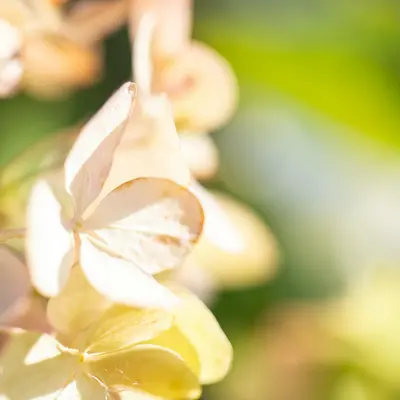
A stunning native hydrangea that offers true four-season interest with its distinctive oak-shaped leaves, elegant white flower clusters, and spectacular fall foliage in shades of orange, red, and burgundy. This shade-tolerant beauty produces cone-shaped flowers that age gracefully from white to pink to brown, providing months of interest. The exfoliating bark adds winter appeal, making this one of the most ornamentally valuable shrubs for American gardens.
Sun
Full sun to partial shade
Zones
5–9
USDA hardiness
Height
4-8 feet
Planting Timeline
Showing dates for Oakleaf Hydrangea in USDA Zone 7
All Zone 7 shrub →Zone Map
Click a state to update dates
Oakleaf Hydrangea · Zones 5–9
Growing Details
Complete Growing Guide
Light: Full sun (6 or more hours of direct sunlight a day), Partial Shade (Direct sunlight only part of the day, 2-6 hours). Soil: High Organic Matter, Loam (Silt), Sand. Drainage: Good Drainage, Moist, Occasionally Dry. Height: 4 ft. 0 in. - 8 ft. 0 in.. Spread: 4 ft. 0 in. - 10 ft. 0 in.. Spacing: 6-feet-12 feet. Growth rate: Slow. Maintenance: Low. Regions: Coastal, Mountains, Piedmont.
Harvesting
Color: Brown/Copper. Type: Capsule.
Garden value: Edible
Harvest time: Fall
Storage & Preservation
Oakleaf Hydrangea is a woody ornamental shrub and doesn't require traditional food storage. For cut flower arrangements, condition fresh stems immediately and place in water-filled vases at room temperature (65-72°F) with high humidity. Change water every 2-3 days; arrangements last 1-2 weeks. For dried flowers, allow panicles to mature on the plant until papery, then harvest and hang-dry in bundles in a cool, well-ventilated space (60-70°F, low humidity). Dried blooms last 6+ months. Alternative preservation: press individual flowers between wax paper for botanical crafts, or preserve in glycerin solution for extended color retention.
History & Origin
Origin: Southeastern USA
Advantages
- +Attracts: Butterflies, Pollinators, Songbirds
- +Low maintenance
Considerations
- -Toxic (Bark, Flowers, Leaves): Low severity
Companion Plants
Oakleaf hydrangea does best with neighbors that share its preference for moist, slightly acidic soil (pH 5.0–6.5) and won't compete hard for the same root space. Hostas, astilbe, and ferns are natural fits — they stay low, tolerate the partial shade a mature shrub casts, and don't send aggressive roots sideways into yours. Azaleas bloom just before the hydrangea peaks, so you get 6–8 weeks of consecutive interest without either plant shortchanging the other. In our zone 7 Georgia gardens, Japanese painted fern and coral bells fill in underneath beautifully and shrug off the summer humidity that flattens a lot of shade perennials.
Keep oakleaf hydrangea well away from black walnut (Juglans nigra), which produces juglone — a root toxin that stunts or outright kills a wide range of woody ornamentals, hydrangeas included. Pine trees are a subtler problem: decades of needle drop push soil pH below 5.0, past the lower edge of what this shrub tolerates, and their shallow surface roots pull moisture away fast. Mint is the easiest fix on the list — just grow it in a container. Left in open ground, it spreads by underground stolons and will crowd the root zone before you notice it's moved in.
Plant Together
Hostas
Complementary shade tolerance and similar moisture needs, provides ground cover
Astilbe
Similar soil pH preferences and shade tolerance, adds colorful blooms
Ferns
Thrive in same acidic, moist soil conditions and partial shade
Azaleas
Both prefer acidic soil and partial shade, create layered woodland garden
Coral Bells
Compatible shade requirements and adds colorful foliage contrast
Japanese Painted Fern
Complementary silvery foliage and similar growing conditions
Caladiums
Provides colorful understory and thrives in same partial shade conditions
Wild Ginger
Native ground cover that shares similar soil and moisture preferences
Keep Apart
Black Walnut
Produces juglone which is toxic to many plants including hydrangeas
Pine Trees
Heavy needle drop creates overly acidic conditions and blocks sunlight
Mint
Aggressive spreading nature competes for resources and space
Eucalyptus
Allelopathic properties inhibit growth of nearby plants
Pests & Disease Resistance
Resistance
Good disease resistance, benefits from air circulation
Common Pests
Generally pest-free, occasional aphids or scale
Diseases
Leaf spot in humid conditions, powdery mildew with poor air flow
Troubleshooting Oakleaf Hydrangea
What you'll see, why it happens, and what to do about it.
White powdery coating on leaf surfaces, mostly on newer growth, appearing mid-to-late summer
Likely Causes
- Powdery mildew (Erysiphe polygoni or related species) — thrives when nights cool down but days stay warm and humid
- Poor air circulation from dense plantings or walls that trap still air
What to Do
- 1.Prune out the worst-affected stems and dispose of them in the trash, not the compost pile
- 2.Thin surrounding plantings to get air moving through the canopy — 4 to 6 feet of spacing is the target for a reason
- 3.Apply a sulfur-based fungicide or diluted neem oil every 7–10 days until new growth comes in clean; don't spray in full midday sun or you'll scorch the leaves
Irregular dark brown or tan spots on leaves, sometimes with a yellow halo, showing up after stretches of wet weather
Likely Causes
- Cercospora leaf spot or Phyllosticta leaf spot — both fungal, both spread by splashing water and overhead irrigation
- Crowded planting that keeps foliage wet longer than it should be
What to Do
- 1.Switch to drip irrigation or water at the base — keeping foliage dry cuts transmission significantly
- 2.Strip heavily spotted leaves and bag them; don't let them sit on the soil beneath the shrub
- 3.If spotting is severe two years running, apply a copper-based fungicide at bud break the following spring as a preventive measure
Frequently Asked Questions
How long does Oakleaf Hydrangea take to mature and start flowering?▼
Is Oakleaf Hydrangea good for beginner gardeners?▼
Can you grow Oakleaf Hydrangea in containers?▼
When should I plant Oakleaf Hydrangea?▼
What makes Oakleaf Hydrangea unique compared to other hydrangeas?▼
How do I prune Oakleaf Hydrangea?▼
Zone-by-Zone Planting Calendar
Growing Guides from Wind River Greens
Sources & References
External authority sources used in compiling this guide.
- ExtensionNC State Extension
See the Methodology page for how this data is sourced, what's AI-assisted, and known limitations.