Ivory Princess
Calendula officinalis
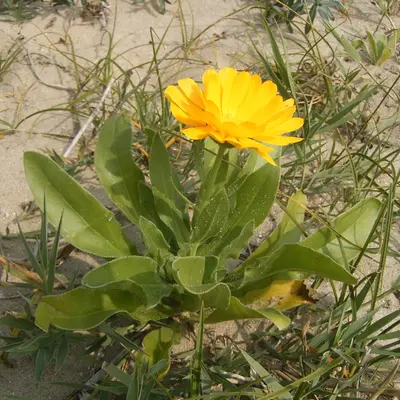
2-3" wide double and semidouble blooms. Creamy petals with hints of gold contrast beautifully with a dark center disk. Tall, vigorous, healthy plants yield sturdy stems. Also known as pot marigold, common marigold, and Scotch marigold. Edible Flowers: Petals of the flowers can be used fresh or dried in "flower confetti," soups, soufflés, rice dishes, baked goods, and to garnish desserts. Calendula is a popular choice for brightening up salad mix. Flavor is tangy and slightly bitter. Remove the petals from the flower base before consuming as the base can be quite bitter.
Harvest
50-55d
Days to harvest
Sun
Full sun to partial shade
Zones
2–11
USDA hardiness
Height
12-24 inches
Planting Timeline
Showing dates for Ivory Princess in USDA Zone 7
All Zone 7 flower →Zone Map
Click a state to update dates
Ivory Princess · Zones 2–11
Growing Details
Succession Planting
Direct sow Ivory Princess every 3 weeks starting April 1 in zone 7, continuing through early June. Each sowing gives you a fresh flush of blooms roughly 50-55 days out, which staggers peak production instead of sending everything at once. Once daytime highs are consistently above 85°F, flowering slows and the plants start looking ragged — that's your cue to stop sowing until late summer.
You can squeeze in a fall round by sowing again in late August or early September; plants establish before first frost and often carry through a mild winter, putting on strong growth again in early spring. Sow shallowly — no more than 1/4 inch deep — and expect germination in 7-14 days if soil temps are sitting between 60-70°F.
Complete Growing Guide
2-3" wide double and semidouble blooms. Creamy petals with hints of gold contrast beautifully with a dark center disk. Tall, vigorous, healthy plants yield sturdy stems. Also known as pot marigold, common marigold, and Scotch marigold. Edible Flowers: Petals of the flowers can be used fresh or dried in "flower confetti," soups, soufflés, rice dishes, baked goods, and to garnish desserts. Calendula is a popular choice for brightening up salad mix. Flavor is tangy and slightly bitter. Remove the petals from the flower base before consuming as the base can be quite bitter. According to Johnny's Selected Seeds, Ivory Princess is 50 - 55 days to maturity, annual, open pollinated. Notable features: Cold Tolerant, Grows Well in Containers, Use for Cut Flowers and Bouquets, Edible Flowers, Attracts Beneficial Insects.
Light: Full sun (6 or more hours of direct sunlight a day), Partial Shade (Direct sunlight only part of the day, 2-6 hours). Soil: Clay, High Organic Matter, Loam (Silt), Sand. Soil pH: Acid (<6.0), Alkaline (>8.0), Neutral (6.0-8.0). Drainage: Good Drainage, Moist. Height: 1 ft. 0 in. - 2 ft. 0 in.. Spread: 1 ft. 0 in. - 2 ft. 0 in.. Maintenance: Medium. Propagation: Seed. Regions: Coastal, Mountains, Piedmont.
Harvesting
Ivory Princess reaches harvest at 50 - 55 days from sowing per Johnny's Selected Seeds. Expect 2-3" at peak. As an annual, harvest continues until frost ends the season.
Seeds ripe from August to November.
Type: Achene.
Harvest time: Fall
Edibility: Flower petals give color to soups, custards, and rice; also used in cookies, vinegars.
Storage & Preservation
Fresh calendula petals keep refrigerated in an airtight container for 3-5 days; store on paper towels to absorb excess moisture. For longer preservation, dry petals completely in a warm room with low humidity, then store in an airtight glass jar away from light—dried petals retain their color and mild flavor for 6-12 months. You can also freeze petals in ice cube trays with water for later use in soups and broths, or preserve them in infused oils (submerge dried petals in high-quality oil for 2-3 weeks, then strain). Calendula tea—made from dried petals—stores well in an airtight container and supports the plant's traditional use as a soothing herbal infusion. Always remove and discard the bitter flower base before consuming or preserving petals.
History & Origin
Ivory Princess is open-pollinated, meaning seed saved from healthy plants will produce true-to-type offspring. Listed in the Johnny's Selected Seeds catalog.
Origin: Mediterranean
Advantages
- +Stunning creamy petals with gold hints and dark centers provide striking garden visual contrast
- +Tall vigorous plants produce sturdy stems ideal for cut flower arrangements and bouquets
- +Edible petals offer culinary versatility in salads, soups, desserts, and garnishing dishes
- +Easy to grow with minimal care requirements making it perfect for beginner gardeners
- +Blooms prolifically within 50-55 days providing quick gratification and continuous flowering
Considerations
- -Petals require careful removal from bitter base before consuming edible flower portions
- -Tall plant habit may require staking or support in windy garden locations
- -Self-seeds prolifically which can lead to volunteer plants returning as weeds next season
Companion Plants
Sweet alyssum and nasturtiums are the two worth prioritizing alongside Ivory Princess. Alyssum tops out at 4-6 inches, so it doesn't compete for light, and it pulls in hoverflies and parasitic wasps that chew through aphid populations on nearby vegetables. Nasturtiums act as a trap crop — aphids pile onto them first, which keeps pressure off the calendula — and their water needs are close enough that you're running one irrigation schedule, not two. Catmint adds another layer: it repels aphids through volatile oils in its foliage, and the pollinators working its flowers will move straight onto your calendula blooms.
Black walnut is the hard no. Its roots and leaf litter release juglone, a compound that interferes with cellular respiration in sensitive plants, and Calendula officinalis lands squarely on the sensitive list. Sunflowers are a softer problem — allelopathic compounds from their root exudates and decomposing debris can suppress neighboring annuals, and a sunflower at 6-10 feet will shade out a 12-24 inch calendula fast enough that bloom production drops off noticeably within a couple of weeks.
Plant Together
Marigolds
Repel aphids, whiteflies, and nematodes while attracting beneficial insects
Sweet Alyssum
Attracts beneficial insects like hoverflies and parasitic wasps for pest control
Nasturtiums
Act as trap crops for aphids and cucumber beetles, drawing pests away
Lavender
Repels moths, fleas, and mosquitoes while attracting pollinators
Petunias
Natural pest deterrent against aphids, tomato hornworms, and squash bugs
Zinnia
Attracts beneficial insects and pollinators while providing complementary colors
Cosmos
Attracts beneficial insects and provides light shade without competing heavily
Catmint
Repels ants, aphids, and rodents while attracting beneficial pollinators
Keep Apart
Black Walnut
Produces juglone toxin that inhibits growth and can kill sensitive plants
Eucalyptus
Releases allelopathic compounds that suppress growth of nearby plants
Sunflowers
Allelopathic effects inhibit germination and growth of smaller flowering plants
Pests & Disease Resistance
Common Pests
Relatively pest-resistant; occasionally spider mites in hot, dry conditions
Diseases
Powdery mildew in humid, poorly ventilated conditions; root rot if overwatered
Troubleshooting Ivory Princess
What you'll see, why it happens, and what to do about it.
White powdery coating on leaves and stems, usually appearing first on upper leaf surfaces sometime after week 6
Likely Causes
- Powdery mildew (Erysiphe cichoracearum) — thrives when nights are cool and humid but days are dry, and airflow is poor
- Crowded spacing under 12 inches that traps moisture around foliage
What to Do
- 1.Cut out and trash the worst-affected stems — don't compost them
- 2.Thin plants to at least 12 inches apart and pull any weeds crowding the base
- 3.Spray remaining foliage with a diluted solution of 1 tablespoon baking soda per gallon of water; repeat every 7 days
Leaves stippled with tiny yellow or bronze dots, fine webbing visible on the undersides — usually showing up during a dry stretch above 85°F
Likely Causes
- Two-spotted spider mite (Tetranychus urticae) — populations explode in hot, dry weather, especially on stressed plants
What to Do
- 1.Blast the undersides of leaves with a strong stream of water every 2-3 days to knock mites off and disrupt egg-laying
- 2.If the infestation persists, apply insecticidal soap directly to the leaf undersides; cover thoroughly or it won't work
- 3.Water more consistently — drought-stressed calendula is significantly more attractive to spider mites
Plant wilting despite moist soil, lower stems turning brown or mushy at the soil line
Likely Causes
- Root rot caused by Pythium or Rhizoctonia — both thrive in waterlogged, poorly draining soil
- Overwatering or containers without adequate drainage holes
What to Do
- 1.Pull the plant — if the roots are brown and mushy past the top 2 inches, it won't recover; dispose of it and don't replant calendula in that spot this season
- 2.Work coarse perlite or compost into the bed before replanting to break up compaction and improve drainage
- 3.Water only when the top inch of soil feels dry; calendula handles brief dry spells better than it handles wet feet
Frequently Asked Questions
How long does Ivory Princess calendula take to flower from seed?▼
Is Ivory Princess calendula good for beginners?▼
Can you grow Ivory Princess calendula in containers?▼
What does Ivory Princess calendula taste like?▼
When should I plant Ivory Princess calendula seeds?▼
How do I get maximum flowers from Ivory Princess?▼
Zone-by-Zone Planting Calendar
| Zone | Indoor Start | Transplant | Direct Sow | Harvest |
|---|---|---|---|---|
| Zone 3 | April – May | June – July | June – August | — |
| Zone 4 | March – April | June – June | June – July | — |
| Zone 5 | March – April | May – June | May – July | — |
| Zone 6 | March – April | May – June | May – July | — |
| Zone 7 | February – March | April – May | April – June | — |
| Zone 8 | February – March | April – May | April – June | — |
| Zone 9 | January – February | March – April | March – May | — |
| Zone 10 | January – January | February – March | February – April | — |
| Zone 1 | May – June | July – August | July – September | — |
| Zone 2 | April – May | June – July | June – August | — |
| Zone 11 | January – January | January – February | January – March | — |
| Zone 12 | January – January | January – February | January – March | — |
| Zone 13 | January – January | January – February | January – March | — |
Growing Guides from Wind River Greens
Sources & References
External authority sources used in compiling this guide.
- BreederJohnny's Selected Seeds
See the Methodology page for how this data is sourced, what's AI-assisted, and known limitations.