Dash
Allium fistulosum x cepa
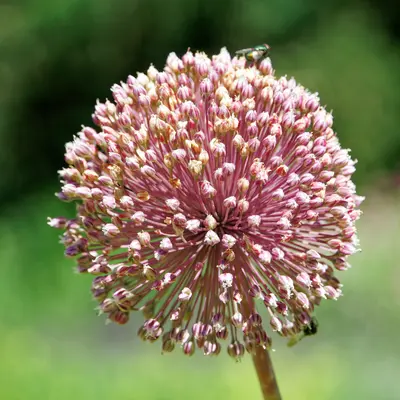
Our recommendation for the early slot. Reduced bulbing results in a more refined end product and upright leaves allow for easier cultivation and cleaner harvests. Compared to Guardsman, Dash is quicker to mature, more upright, and less likely to form bulbs under stress. For overwintering, we recommend 'Marksman'. Dash is prone to bolting when overwintered.
Harvest
50d
Days to harvest
Sun
Full sun to partial shade
Zones
4–9
USDA hardiness
Height
1-3 feet
Planting Timeline
Showing dates for Dash in USDA Zone 7
All Zone 7 allium →Zone Map
Click a state to update dates
Dash · Zones 4–9
Growing Details
Succession Planting
Direct sow Dash every 14 days starting March 1 in zone 7, continuing through early May. Then rest the bed and pick it back up in late August, sowing again through mid-September for a fall run. Skip anything in between — germination gets unreliable once daytime highs sit consistently above 85°F, and seedlings that sprout into that heat tend to bolt before they size up. At 50 days to harvest, a September 15 sowing still finishes comfortably ahead of a typical zone 7 November frost.
Complete Growing Guide
Our recommendation for the early slot. Reduced bulbing results in a more refined end product and upright leaves allow for easier cultivation and cleaner harvests. Compared to Guardsman, Dash is quicker to mature, more upright, and less likely to form bulbs under stress. For overwintering, we recommend 'Marksman'. Dash is prone to bolting when overwintered. According to Johnny's Selected Seeds, Dash is 50 days to maturity, annual, hybrid (f1).
Light: Full sun (6 or more hours of direct sunlight a day), Partial Shade (Direct sunlight only part of the day, 2-6 hours). Soil: High Organic Matter, Loam (Silt), Sand. Drainage: Good Drainage. Height: 1 ft. 0 in. - 3 ft. 0 in.. Spread: 0 ft. 6 in. - 2 ft. 0 in.. Spacing: Less than 12 inches. Growth rate: Medium. Maintenance: Low. Propagation: Division. Regions: Coastal, Mountains, Piedmont.
Harvesting
Dash reaches harvest at 50 days from sowing per Johnny's Selected Seeds. As an annual, harvest continues until frost ends the season.
The capsule splits longitudinally and contains small round black seeds.
Type: Capsule.
Storage & Preservation
Store freshly harvested Dash bulbs in a cool, dark location between 32–40°F with moderate humidity, ideally in mesh bags or crates that allow air circulation. Properly cured bulbs keep for 3–4 months under these conditions. For longer preservation, freeze diced or sliced bulbs raw in freezer bags—they work best in cooked dishes rather than fresh applications. Alternatively, dry thin slices in a dehydrator at 135°F until brittle, then store in airtight containers for 6–12 months. Pickling is also effective; pack whole small bulbs with vinegar, spices, and salt in sterilized jars. Because Dash produces both elongated white stems and small bulbs, you can harvest green tops early for immediate use while allowing bulbs to mature for storage, maximizing yield from a single planting.
History & Origin
Dash is an F1 hybrid developed through controlled cross-pollination. Listed in the Johnny's Selected Seeds catalog.
Origin: Northern Hemisphere, North America and Eurasia
Advantages
- +Quick maturation at 50 days makes Dash ideal for early season production
- +Upright leaf growth simplifies cultivation and enables cleaner, easier harvests
- +Reduced bulbing tendency produces refined, market-ready end products
- +Stress-resistant variety less prone to unwanted bulb formation
- +Easy difficulty rating makes Dash suitable for beginner growers
Considerations
- -Prone to bolting when overwintered, limiting season extension potential
- -Not recommended for winter storage or long-term cold exposure
- -Less suitable than Marksman for overwintering operations
Companion Plants
Tomatoes, peppers, and carrots are the most practical neighbors for Dash. The sulfur compounds that make alliums pungent confuse insects — including aphids and carrot fly (Psila rosae) — that hunt by smell, so planting Dash within a foot or two of those crops gives them some passive cover. Marigolds (Tagetes spp.) add a second layer of scent interference near the soil surface. Beans, peas, and asparagus are a different story: allium root exudates measurably inhibit legume germination and growth, and NC State Extension flags that incompatibility specifically — don't assume you can squeeze them into the same bed and get away with it.
Plant Together
Tomatoes
Alliums repel aphids, spider mites, and other tomato pests while improving flavor
Carrots
Alliums deter carrot fly and root maggots, while carrots help break up soil for allium bulbs
Lettuce
Alliums repel aphids and slugs that commonly attack lettuce leaves
Cabbage
Alliums deter cabbage worms, flea beetles, and other brassica pests
Roses
Alliums repel aphids, black spot fungus, and Japanese beetles from rose bushes
Peppers
Alliums deter aphids, spider mites, and nematodes that attack pepper plants
Strawberries
Alliums repel slugs, aphids, and spider mites while improving strawberry flavor
Marigolds
Both plants repel similar pests and create a strong pest-deterrent combination
Keep Apart
Beans
Alliums can inhibit nitrogen fixation in legumes and stunt their growth
Peas
Allium compounds interfere with pea growth and nitrogen-fixing bacteria
Asparagus
Alliums can stunt asparagus growth and reduce spear production
Nutrition Facts
Per 100g serving. % Daily Value based on 2,000 calorie diet. Source: USDA FoodData Central (FDC #170000)
Troubleshooting Dash
What you'll see, why it happens, and what to do about it.
Leaves turning yellow from the tip down, often soft and water-soaked at the base of the plant
Likely Causes
- Neck rot (Botrytis allii) — common in wet, poorly drained soil or after heavy rain
- Overwatering combined with low airflow between plants
What to Do
- 1.Pull and discard affected plants — don't compost them
- 2.Let the top inch of soil dry out before watering again
- 3.Thin to at least 4 inches apart so air can move through the bed
White or pale streaks running lengthwise along leaves, with fine webbing visible if you look closely
Likely Causes
- Onion thrips (Thrips tabaci) — tiny, barely visible insects that rasp leaf tissue and feed on the sap
- Hot, dry conditions that favor thrips population explosions
What to Do
- 1.Knock thrips off with a strong stream of water, hitting both sides of each leaf
- 2.Apply insecticidal soap or spinosad, repeating every 5–7 days for two to three rounds
- 3.Keep soil consistently moist — drought-stressed plants draw heavier thrips pressure
Orange or brown powdery pustules on leaves, appearing in cool, humid weather
Likely Causes
- Leek rust (Puccinia allii) — a fungal disease that spreads by windborne spores and moves fast in dense plantings
What to Do
- 1.Remove and bag heavily infected leaves; trash them, don't compost
- 2.Open up the planting to at least 6 inches between plants and switch to drip irrigation or hand-watering at the base
- 3.A copper-based fungicide can slow spread if applied before pustules cover more than 20–30% of the canopy
Frequently Asked Questions
How long does Dash onion take to mature?▼
Is Dash onion good for beginners?▼
Can you grow Dash onion in containers?▼
What does Dash onion taste like?▼
When should I plant Dash onion?▼
Is Dash or Guardsman better for early season growing?▼
Zone-by-Zone Planting Calendar
| Zone | Indoor Start | Transplant | Direct Sow | Harvest |
|---|---|---|---|---|
| Zone 3 | — | — | May – June | June – October |
| Zone 4 | — | — | April – June | June – October |
| Zone 5 | — | — | April – May | June – November |
| Zone 6 | — | — | April – May | May – November |
| Zone 7 | — | — | March – May | May – November |
| Zone 8 | — | — | March – April | April – December |
| Zone 9 | — | — | February – March | March – December |
| Zone 10 | — | — | January – March | March – December |
| Zone 1 | — | — | June – July | July – September |
| Zone 2 | — | — | May – July | July – September |
| Zone 11 | — | — | January – February | February – December |
| Zone 12 | — | — | January – February | February – December |
| Zone 13 | — | — | January – February | February – December |
Growing Guides from Wind River Greens
Sources & References
External authority sources used in compiling this guide.
- BreederJohnny's Selected Seeds
- USDAUSDA FoodData Central
See the Methodology page for how this data is sourced, what's AI-assisted, and known limitations.