Monstera Thai Constellation
Monstera deliciosa 'Thai Constellation'
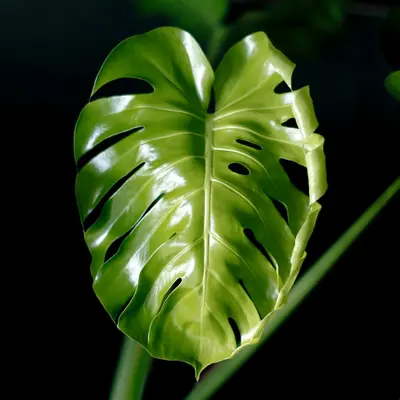
The holy grail of variegated monsteras, featuring stunning cream and yellow speckled variegation that resembles a constellation across each fenestrated leaf. This tissue-culture produced variety offers more stable variegation than other variegated monsteras, making it highly sought after by collectors. A true statement plant that commands attention in any plant collection.
Sun
Partial shade
Zones
10–12
USDA hardiness
Height
3-5 feet
Complete Growing Guide
This tissue-culture variegation requires consistent bright, indirect light—at least four hours daily—to maintain the cream and yellow speckling, as insufficient light causes the variegation to fade or revert to solid green. Thai Constellation is more prone to stretching than standard Monsteras, so rotate the plant weekly and consider supplemental grow lights during winter months when daylight is limited. Keep soil consistently moist but never waterlogged, as this cultivar is slightly more susceptible to root rot than its non-variegated counterparts. Spider mites are a particular concern for variegated Monsteras, so inspect new growth regularly and increase humidity through misting or a pebble tray. Variegated leaves are more delicate and slower to develop, so patience is essential—avoid fertilizing excessively, which encourages plain green growth at the expense of variegated foliage. One practical tip: stake or moss pole-train this cultivar early, as the variegated leaves are structurally weaker and require support to prevent drooping and potential damage.
Light: Dappled Sunlight (Shade through upper canopy all day), Partial Shade (Direct sunlight only part of the day, 2-6 hours). Soil: High Organic Matter, Loam (Silt). Soil pH: Neutral (6.0-8.0). Drainage: Good Drainage, Moist. Spacing: 6-feet-12 feet. Growth rate: Rapid. Maintenance: Medium. Propagation: Layering, Stem Cutting.
Harvesting
The Monstera Thai Constellation doesn't produce harvestable fruit in home cultivation, so "harvesting" refers to leaf propagation and mature leaf collection. Visual readiness appears when leaves achieve full fenestration with prominent cream and yellow variegation patterns, typically at 8-12 inches in length, and feel sturdy with slight papery texture. Propagate continuously throughout the growing season by taking stem cuttings with aerial roots or mature leaves, rather than waiting for a single harvest window. The critical timing tip: collect propagation material during spring and early summer when the plant's vigor peaks, ensuring better rooting success and variegation stability in new growth compared to cuttings taken during dormant winter months.
This plant produces an aggregate of creamy-white berries covered by green hexagonal "scales"; the fruit is ripe once the scale covering it falls off naturally. These berries are edible and taste like a mixture of banana and pineapple. Rarely produces fruit as a houseplant.
Color: Cream/Tan, Green, White. Type: Aggregate, Berry. Length: > 3 inches. Width: 1-3 inches.
Garden value: Edible
Edibility: Only ripe fruits are edible and are used to flavor drinks and ice cream or are eaten fresh. Some people are allergic.
Storage & Preservation
Monstera Thai Constellation thrives indoors at room temperature (65-80°F) with 60-80% humidity. Keep on a bright shelf or near a window with filtered light; avoid dark storage. These living plants aren't stored for shelf-life like food. For propagation preservation, water propagations should be changed every 3-4 days and transferred to soil within 4-6 weeks. Preserve cuttings in humid conditions by misting or placing in a terrarium to maintain moisture without waterlogging. For longer-term preservation, mature plants can be air-layered before separation to ensure rooting success before severing from the parent plant.
History & Origin
This variety originated in Thailand through tissue culture propagation, though detailed documentation of its specific breeder and introduction year remains limited in readily available horticultural records. The Thai Constellation represents a breakthrough within the Monstera deliciosa variegation breeding line, as tissue culture techniques allowed growers to stabilize and reproduce the striking cream and yellow variegation pattern consistently across generations—a significant advantage over chimeric variegated monsteras that often revert to solid green foliage. While precise historical details about its initial development are sparse, the cultivar emerged from Thailand's active houseplant propagation industry and has since become one of the most coveted variegated monstera selections among collectors worldwide.
Origin: Mexico to Panama
Advantages
- +Stable variegation from tissue culture makes it more reliable than natural variegated monsteras
- +Stunning cream and yellow speckled pattern creates dramatic visual impact in any space
- +Fenestrated leaves develop beautifully as the plant matures with proper care
- +Highly collectible variety that maintains or increases in value over time
- +Statement plant that elevates entire room aesthetics with minimal effort
Considerations
- -Premium price point makes it expensive compared to standard Monstera deliciosa varieties
- -Moderate to advanced care requirements demand consistent attention and proper environmental conditions
- -Vulnerable to multiple pest infestations including spider mites and mealybugs
- -Prone to root rot from overwatering, requiring careful soil moisture management
Companion Plants
The best neighbors for a Thai Constellation are plants that want the same conditions without crowding it. Pothos and Philodendron are the obvious groupmates — both handle 4-6 hours of filtered light and won't tangle with the Monstera's spreading root system when kept in adjacent pots. Clustering them together also raises local humidity through shared transpiration, which is a real benefit: spider mites (Tetranychus urticae) struggle to establish colonies once humidity climbs above 60%. Snake Plant and ZZ Plant are more drought-tolerant than this Monstera wants, but their upright, narrow footprint means they don't physically crowd the broad horizontal leaves, and they don't share the same pest pressures — so they make decent shelf companions as long as you're not forcing them onto the same watering schedule.
The plants to keep separated are succulents, cacti, and Fiddle Leaf Figs. Succulents and cacti need the soil to dry out completely between waterings — sometimes 2-3 weeks — which is the opposite of what a Thai Constellation needs. Trying to manage both on one shelf means you'll either rot the Monstera or starve the succulents. Fiddle Leaf Figs are a different issue entirely: they're notorious reservoirs for scale insects and spider mites, and placing one within a few feet of a Thai Constellation — which already attracts both — makes a cycling infestation almost inevitable. If you own both, put them in different rooms.
Plant Together
Pothos
Similar light and humidity requirements, helps maintain ambient moisture levels
Philodendron
Shares identical care needs and creates favorable microclimate when grouped
Snake Plant
Tolerates lower light areas, purifies air, and requires less frequent watering
ZZ Plant
Similar low-maintenance care, drought tolerant, and complements growth habits
Peace Lily
Indicates watering needs early, enjoys similar humidity levels, and filters air
Spider Plant
Helps increase humidity through transpiration and tolerates similar light conditions
Rubber Tree
Similar tropical care requirements and creates beneficial humid microenvironment
Boston Fern
Increases ambient humidity significantly and thrives in similar indirect light
Keep Apart
Fiddle Leaf Fig
Requires bright direct light which can scorch Monstera leaves when positioned nearby
Succulents
Prefer dry conditions and infrequent watering, opposite of Monstera's humidity needs
Cactus
Thrives in low humidity and bright light, creating conflicting environmental requirements
Pests & Disease Resistance
Resistance
Generally resistant when proper care provided
Common Pests
Spider mites, mealybugs, scale insects, thrips
Diseases
Root rot from overwatering, leaf spot, mosaic virus
Troubleshooting Monstera Thai Constellation
What you'll see, why it happens, and what to do about it.
Tiny webbing on leaf undersides, leaves developing a dry, stippled, silver-gray look
Likely Causes
- Spider mites (Tetranychus urticae) — thrive in low humidity, especially near heating vents in winter
- Dry indoor air below 40% relative humidity
What to Do
- 1.Wipe both sides of every leaf with a damp cloth, then spray with insecticidal soap or a diluted neem oil solution (2 tsp neem per quart of water)
- 2.Move the plant away from heating vents and run a humidifier nearby — spider mites crash in humidity above 60%
- 3.Repeat treatment every 5-7 days for 3 weeks; one application won't break the egg cycle
Soft white cottony clusters at leaf axils or along stems, leaves looking dull or slightly curled
Likely Causes
- Mealybugs (Pseudococcidae family) — often hitchhike in on a new plant and spread fast in warm indoor conditions
- Overly high nitrogen fertilization, which produces the soft growth mealybugs prefer
What to Do
- 1.Dab individual clusters with a cotton swab soaked in 70% isopropyl alcohol — it kills on contact
- 2.Follow up with a neem oil spray over the entire plant, including soil surface, every 7 days for a month
- 3.Quarantine the plant immediately; mealybugs will move to any Philodendron or Pothos sitting nearby
Yellowing lower leaves, mushy stem at soil level, soil staying wet more than 10 days after watering
Likely Causes
- Root rot — most commonly Pythium or Phytophthora species in waterlogged, poorly draining mix
- Pot without drainage holes, or a pot that's too large for the root mass (excess soil holds moisture longer)
What to Do
- 1.Unpot the plant and cut off any black or mushy roots with sterile scissors, then dust the cuts with powdered sulfur or cinnamon
- 2.Repot into fresh, chunky mix — orchid bark, perlite, and potting soil at roughly 2:1:2 — in a pot with drainage holes
- 3.Hold off watering for 7-10 days after repotting, then resume only when the top 1-2 inches are dry
Frequently Asked Questions
Is Monstera Thai Constellation good for beginners?▼
How much light does Monstera Thai Constellation need?▼
Can you grow Monstera Thai Constellation in containers?▼
Why is Monstera Thai Constellation so expensive?▼
How often should I water Monstera Thai Constellation?▼
How tall does Monstera Thai Constellation grow?▼
Growing Guides from Wind River Greens
Sources & References
External authority sources used in compiling this guide.
- ExtensionNC State Extension
See the Methodology page for how this data is sourced, what's AI-assisted, and known limitations.