Kentucky Bluegrass
Poa pratensis
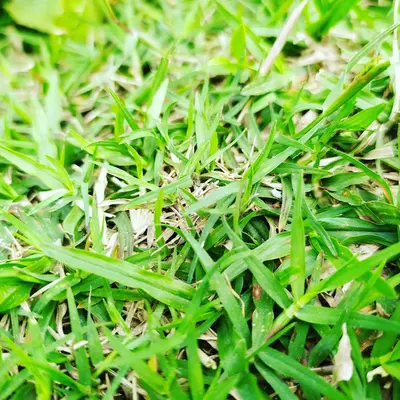
The quintessential cool-season lawn grass that creates the classic American lawn with its rich blue-green color and soft, dense texture. Self-repairing through underground rhizomes, it forms a luxurious carpet that feels wonderful underfoot and maintains its beauty through spring and fall. This premium grass is the gold standard for northern lawns where its cold tolerance and lush appearance make it unmatched.
Sun
Full sun to partial shade
Zones
3–7
USDA hardiness
Height
4-4 inches
Planting Timeline
Showing dates for Kentucky Bluegrass in USDA Zone 7
All Zone 7 grass →Zone Map
Click a state to update dates
Kentucky Bluegrass · Zones 3–7
Growing Details
Complete Growing Guide
Light: Full sun (6 or more hours of direct sunlight a day), Partial Shade (Direct sunlight only part of the day, 2-6 hours). Soil pH: Alkaline (>8.0), Neutral (6.0-8.0). Height: 0 ft. 4 in. - 0 ft. 4 in.. Spread: 0 ft. 6 in. - 0 ft. 6 in.. Maintenance: High, Medium. Regions: Mountains, Piedmont.
Harvesting
Type: Caryopsis.
Storage & Preservation
Kentucky Bluegrass seed should be stored in a cool, dry place between 32-50°F with humidity below 50%. Seed viability lasts 2-3 years under proper conditions. Preservation methods include: (1) Sealed containers in a refrigerator to maintain dormancy and protect from moisture; (2) Vacuum-sealed packets stored in cool basement or unheated garage for long-term storage; (3) Desiccant packets in airtight containers to control humidity and prevent fungal growth. Established turf requires regular watering and mowing maintenance rather than traditional preservation.
History & Origin
Origin: Northern Hemisphere
Advantages
- +Self-repairs through rhizomes, healing damage without reseeding
- +Excellent cold tolerance makes it ideal for northern climates
- +Dense, attractive blue-green color creates premium lawn appearance
- +Thrives in spring and fall when most grasses struggle
- +Soft texture provides comfortable underfoot feel for barefoot walking
Considerations
- -Vulnerable to summer patch and necrotic ring spot diseases
- -Susceptible to multiple pest infestations including grubs and billbugs
- -Struggles during hot, dry summers and may go dormant
- -Requires moderate maintenance for optimal health and appearance
Companion Plants
White clover is the most practical companion here — it fixes atmospheric nitrogen through its Rhizobium root symbiosis, feeding the bluegrass without any extra fertilizer input, and its low growth doesn't compete for light. Perennial ryegrass and fine fescue mix in cleanly because their root depths and water needs are close enough that they fill gaps where bluegrass thins during summer heat rather than muscling it out. Crabgrass (Digitaria spp.) and Bermuda grass are the ones to suppress: both tolerate heat far better than Poa pratensis and will take over fast once daytime highs stay above 85°F. Black walnut trees poison the surrounding soil with juglone, a root-zone chemical that suppresses a wide range of plants — don't seed bluegrass anywhere near one.
Plant Together
White Clover
Fixes nitrogen in soil, enhances lawn fertility and reduces need for fertilizer
Perennial Ryegrass
Complements growth habit, provides quick establishment while bluegrass develops
Fine Fescue
Thrives in shade where bluegrass struggles, creates diverse lawn texture
Dandelion
Deep taproot breaks up compacted soil and brings nutrients to surface
Plantain
Tolerates foot traffic, indicates and helps remediate compacted soil areas
Yarrow
Drought tolerant groundcover that attracts beneficial insects and aerates soil
Wild Strawberry
Low-growing groundcover that fixes nitrogen and provides living mulch
Moss
Indicates acidic or shaded conditions, can coexist without competing for resources
Keep Apart
Crabgrass
Aggressive annual that outcompetes bluegrass for water, nutrients, and space
Tall Fescue
Grows in clumps that crowd out bluegrass, different water and maintenance needs
Black Walnut Trees
Produces juglone toxin that inhibits bluegrass growth and causes yellowing
Bermuda Grass
Invasive warm-season grass that overtakes cool-season bluegrass through aggressive spread
Pests & Disease Resistance
Resistance
Moderate resistance, improved cultivars available with better disease tolerance
Common Pests
Grubs, billbugs, chinch bugs, sod webworms
Diseases
Brown patch, summer patch, necrotic ring spot, powdery mildew
Troubleshooting Kentucky Bluegrass
What you'll see, why it happens, and what to do about it.
Irregular dead patches 2–6 inches across appearing in summer, with a sunken, straw-colored center and darker outer ring
Likely Causes
- Necrotic ring spot (Ophiosphaerella korraensis) — a root-infecting fungus that flares in warm soil (above 65°F) after cool, wet springs
- Summer patch (Magnaporthe poae) — similar symptoms, also attacks roots, typically hits bluegrass harder than other cool-season grasses
What to Do
- 1.Core aerate the affected areas to reduce compaction and improve drainage — both pathogens thrive in dense, wet root zones
- 2.Avoid evening irrigation; water early morning so the canopy dries before nightfall
- 3.Overseed dead patches with a fine fescue blend, which has better natural resistance to both diseases
Grass thinning or dying in irregular patches, and you can roll back the turf like a loose carpet (no roots holding it down)
Likely Causes
- White grubs — larvae of Japanese beetles (Popillia japonica) or masked chafers feeding on roots just below the soil surface, typically August through October
- Billbug larvae (Sphenophorus spp.) — similar root destruction, but damage usually shows earlier in summer
What to Do
- 1.Confirm grubs by cutting a 1-square-foot section 3 inches deep; more than 5–8 grubs per square foot warrants treatment
- 2.Apply beneficial nematodes (Heterorhabditis bacteriophora) when soil temps are between 60–70°F and the ground is moist
- 3.For severe infestations, a preventive imidacloprid application in late May to early June targets young larvae before they've done visible damage
White, powdery coating on leaf blades concentrated in shaded areas of the lawn, especially in late summer or fall
Likely Causes
- Powdery mildew (Blumeria graminis) — a fungal disease that specifically targets Kentucky Bluegrass in low-light, low-airflow spots
- Siting Kentucky Bluegrass where it gets fewer than 4 hours of direct sun — it's not built for deep shade, and stressed turf is the first to show mildew
What to Do
- 1.Thin out nearby shrubs or low tree branches to pull more light and airflow into the area
- 2.Overseed with a shade-tolerant fine fescue — Chewings fescue or creeping red fescue both hold up better in those spots than bluegrass will
- 3.Cut back nitrogen fertilizer in shaded sections; the soft, lush growth it produces is exactly what Blumeria graminis colonizes fastest
Frequently Asked Questions
When should I plant Kentucky Bluegrass?▼
Is Kentucky Bluegrass good for beginners?▼
How long does Kentucky Bluegrass take to establish?▼
Can you grow Kentucky Bluegrass in containers?▼
How does Kentucky Bluegrass compare to other cool-season grasses?▼
What are the main pests that affect Kentucky Bluegrass?▼
Zone-by-Zone Planting Calendar
Growing Guides from Wind River Greens
Sources & References
External authority sources used in compiling this guide.
- ExtensionNC State Extension
See the Methodology page for how this data is sourced, what's AI-assisted, and known limitations.