StoX® Rose Pink
Matthiola incana
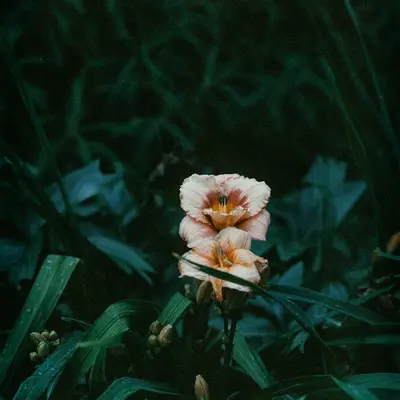
Wikimedia Commons via Matthiola incana
Medium-light rose color is more subtle and muted compared to many other rose-colored varieties. Single-stem/column-type stock for one-cut harvest. Sturdy, upright stems are comparable to the Iron series. Double-flowering plant selection: Plants are selectable for double-flowering blooms. Without selection your plants will produce approximately 55% double-flowering plants and 45% single-flowering plants. Double-flowering plants will display a lighter leaf color at the seedling stage after a cold treatment. You might notice that some seedlings will present the lighter color leaves, even without a prescribed cold treatment. NOTE: This variety produces one flowering stem per plant. Pinching is not advisable as it will terminate flowering. Edible Flowers: The peppery, clove-like flavor of the flowers lends itself well to use as a garnish on salads, desserts, and drinks.
Harvest
90-105d
Days to harvest
Sun
Full sun to partial shade
Zones
6–10
USDA hardiness
Height
1-3 feet
Planting Timeline
Showing dates for StoX® Rose Pink in USDA Zone 7
All Zone 7 flower →Zone Map
Click a state to update dates
StoX® Rose Pink · Zones 6–10
Growing Details
Succession Planting
Stock is a one-flush crop — each plant sends up its spike, blooms out, and that's it. Succession planting is the only way to keep cut flowers coming through the season. In zone 7, start a new flat of StoX Rose Pink indoors every 3 weeks from early February through mid-March, then transplant out in April and again in early May before daytime highs consistently clear 80°F. Stock sets buds in cool weather; once temps push past 85°F for more than a few days running, plants bolt to seed without producing full spikes.
For a fall flush, start seeds indoors in late July or early August and get transplants in the ground by mid-September. Georgia's fall shoulder season — September through early November — suits stock well, and plants started in that window often throw longer, straighter stems than the spring batch because they're sizing up during cooling rather than warming days.
Complete Growing Guide
Medium-light rose color is more subtle and muted compared to many other rose-colored varieties. Single-stem/column-type stock for one-cut harvest. Sturdy, upright stems are comparable to the Iron series. Double-flowering plant selection: Plants are selectable for double-flowering blooms. Without selection your plants will produce approximately 55% double-flowering plants and 45% single-flowering plants. Double-flowering plants will display a lighter leaf color at the seedling stage after a cold treatment. You might notice that some seedlings will present the lighter color leaves, even without a prescribed cold treatment. NOTE: This variety produces one flowering stem per plant. Pinching is not advisable as it will terminate flowering. Edible Flowers: The peppery, clove-like flavor of the flowers lends itself well to use as a garnish on salads, desserts, and drinks. According to Johnny's Selected Seeds, StoX® Rose Pink is 90 - 105 days to maturity, annual, open pollinated. Notable features: Use for Cut Flowers and Bouquets, Edible Flowers, Fragrant.
Light: Full sun (6 or more hours of direct sunlight a day), Partial Shade (Direct sunlight only part of the day, 2-6 hours). Soil: Clay, High Organic Matter, Loam (Silt), Sand. Soil pH: Alkaline (>8.0), Neutral (6.0-8.0). Drainage: Good Drainage, Moist. Height: 1 ft. 0 in. - 3 ft. 0 in.. Spread: 0 ft. 9 in. - 1 ft. 6 in.. Spacing: Less than 12 inches, 12 inches-3 feet. Growth rate: Rapid. Maintenance: Low. Propagation: Seed. Regions: Coastal, Mountains.
Harvesting
StoX® Rose Pink reaches harvest at 90 - 105 days from sowing per Johnny's Selected Seeds. As an annual, harvest continues until frost ends the season.
Seeds will ripen in August and September.
Harvest time: Fall
Storage & Preservation
For fresh storage, keep StoX® Rose Pink stems in a clean vase with cool water (65-72°F) in a cool location away from direct sunlight and ripening fruit. Change water every 2-3 days and recut stems at an angle. Shelf life is typically 10-14 days. Preservation methods: (1) Dry flowers by hanging upside-down in a dark, well-ventilated space for 2-3 weeks; (2) Preserve in silica gel for 7-10 days to maintain shape and color; (3) Press flowers between wax paper under heavy books for 2-4 weeks for flat preservation.
History & Origin
StoX® Rose Pink is open-pollinated, meaning seed saved from healthy plants will produce true-to-type offspring. Listed in the Johnny's Selected Seeds catalog.
Origin: The Coast of Europe from Spain to Greece.
Advantages
- +Subtle rose pink color offers sophisticated, muted aesthetic appeal for arrangements
- +Single-stem harvest design provides efficient, straightforward cutting workflow
- +Sturdy upright stems rival Iron series in strength and reliability
- +Double-flowering blooms possible with natural 55% occurrence rate without selection
- +Edible flowers add peppery clove flavor for culinary garnish applications
Considerations
- -No pinching capability limits design flexibility and secondary stem production
- -Only one flowering stem per plant reduces yield compared to branching varieties
- -Manual selection required to achieve higher double-flowering percentages reliably
- -90-105 day timeline requires extended production cycle planning and space allocation
Companion Plants
Lavender, rosemary, and catmint are good neighbors for stock because they share the same preference for lean, well-drained soil on the drier side — none of them will pull aggressively for water or crowd out the shallow root zone Matthiola incana relies on. Marigolds (Tagetes patula specifically) are worth planting along the border; the root secretions and foliage scent genuinely deter aphids and thrips, and stock draws both. Garlic and chives work along similar lines — the sulfur compounds they off-gas confuse soft-bodied insects before they settle in.
Keep stock away from brassicas. In our zone 7 Georgia garden, that means watching your spring bed layout if overwintering kale or new cabbage transplants are nearby — stock is itself Brassicaceae, so the two share diseases like black leg (Leptosphaeria maculans) and attract the same flea beetle pressure. Black walnut is a hard no; the juglone it releases binds to soil particles and blocks root respiration in most ornamentals, and stock is no exception.
Plant Together
Lavender
Repels aphids, spider mites, and other rose pests while attracting beneficial pollinators
Marigold
Deters nematodes, aphids, and whiteflies while adding complementary color contrast
Garlic
Natural fungicide properties help prevent black spot and powdery mildew on roses
Chives
Repels aphids and Japanese beetles while improving soil health around rose roots
Catmint
Deters ants, aphids, and rodents while providing long-lasting purple blooms
Allium
Strong scent masks rose fragrance from pests and repels thrips and aphids
Nasturtium
Acts as trap crop for aphids and adds nitrogen to soil through root nodules
Rosemary
Repels carrot flies, cabbage moths, and other flying pests that may damage roses
Keep Apart
Black Walnut
Produces juglone toxin that inhibits rose growth and can cause wilting or death
Large Trees
Compete for nutrients, water, and sunlight while creating excessive shade for roses
Brassicas
Heavy feeders that compete for nutrients and may stunt rose growth and flowering
Troubleshooting StoX® Rose Pink
What you'll see, why it happens, and what to do about it.
Leaves and stems covered in gray, powdery coating, often appearing once plants are 6–8 weeks old and nights stay humid
Likely Causes
- Powdery mildew (Erysiphe cichoracearum) — thrives when warm days meet cool, damp nights
- Poor airflow from overcrowded planting or planting near a fence or wall
What to Do
- 1.Remove and trash (don't compost) heavily affected leaves immediately
- 2.Spray foliage with a diluted potassium bicarbonate solution — 1 tablespoon per gallon of water — every 7 days until symptoms stop spreading
- 3.Space plants at least 10–12 inches apart next season and avoid overhead irrigation
Seedlings collapsing at the soil line, stem pinched and dark at the base, usually within the first 2–3 weeks after germination
Likely Causes
- Damping off — most commonly Pythium or Rhizoctonia solani — triggered by cold, soggy growing media
- Overwatering flats or trays without bottom drainage
What to Do
- 1.Toss affected seedlings and any immediately adjacent ones — the fungi spread fast in wet media
- 2.Switch to a sterile, well-draining seed-starting mix and water only when the top half-inch is dry
- 3.Run a small fan near your seed trays for 30–60 minutes a day to improve surface airflow and dry the medium faster
Frequently Asked Questions
How long do StoX® Rose Pink cut flowers last in a vase?▼
Is StoX® Rose Pink good for beginner flower growers?▼
Can you grow StoX® Rose Pink in containers?▼
What does StoX® Rose Pink taste like as an edible flower?▼
When should I plant StoX® Rose Pink seeds?▼
What's the difference between double and single-flowering StoX® Rose Pink plants?▼
Zone-by-Zone Planting Calendar
| Zone | Indoor Start | Transplant | Direct Sow | Harvest |
|---|---|---|---|---|
| Zone 3 | April – May | June – July | June – August | — |
| Zone 4 | March – April | June – June | June – July | — |
| Zone 5 | March – April | May – June | May – July | — |
| Zone 6 | March – April | May – June | May – July | — |
| Zone 7 | February – March | April – May | April – June | — |
| Zone 8 | February – March | April – May | April – June | — |
| Zone 9 | January – February | March – April | March – May | — |
| Zone 10 | January – January | February – March | February – April | — |
| Zone 1 | May – June | July – August | July – September | — |
| Zone 2 | April – May | June – July | June – August | — |
| Zone 11 | January – January | January – February | January – March | — |
| Zone 12 | January – January | January – February | January – March | — |
| Zone 13 | January – January | January – February | January – March | — |
Growing Guides from Wind River Greens
Sources & References
External authority sources used in compiling this guide.
- BreederJohnny's Selected Seeds
See the Methodology page for how this data is sourced, what's AI-assisted, and known limitations.