Dahlia Bishop of Llandaff
Dahlia 'Bishop of Llandaff'
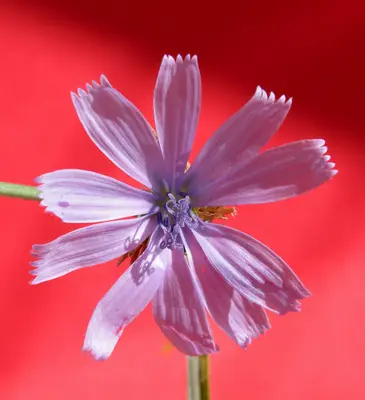
An award-winning heirloom dahlia that combines stunning scarlet-red single flowers with dramatic dark bronze-purple foliage for an absolutely striking garden presence. This compact variety has been beloved by gardeners since 1924, offering both exceptional flower power for cutting and foliage that rivals the most exotic coleus for dramatic garden impact.
Harvest
90-120d
Days to harvest
Sun
Full sun to partial shade
Zones
7–10
USDA hardiness
Height
1-6 feet
Planting Timeline
Showing dates for Dahlia Bishop of Llandaff in USDA Zone 7
All Zone 7 flower →Zone Map
Click a state to update dates
Dahlia Bishop of Llandaff · Zones 7–10
Growing Details
Complete Growing Guide
Bishop of Llandaff demands warm soil to thrive, so wait until soil reaches 60°F before planting tubers in spring—rushing this step invites rot. This cultivar produces tubers reliably in most climates but prefers 6–8 hours of direct sun daily to maintain the rich burgundy foliage that makes it distinctive; insufficient light causes the foliage to fade toward green. Watch for spider mites, which are particularly attracted to the bronze foliage in hot, dry conditions, and boost humidity or spray leaves occasionally to deter them. Unlike tall dahlia varieties, Bishop of Llandaff stays naturally compact at 1–3 feet in most gardens, making it ideal for borders, though it may still benefit from a single stake in windy locations. Deadhead spent flowers consistently to encourage continuous blooming through frost rather than allowing energy to redirect to tuber development.
Light: Full sun (6 or more hours of direct sunlight a day), Partial Shade (Direct sunlight only part of the day, 2-6 hours). Soil: High Organic Matter. Drainage: Good Drainage, Moist. Height: 1 ft. 0 in. - 6 ft. 0 in.. Spread: 1 ft. 0 in. - 3 ft. 0 in.. Spacing: 12 inches-3 feet. Growth rate: Rapid. Maintenance: High. Propagation: Division, Root Cutting. Regions: Coastal, Mountains, Piedmont.
Harvesting
Harvest Bishop of Llandaff dahlias when the scarlet-red petals have fully opened and feel papery-firm to the touch, typically after the flower has been open for one to two days. The blooms reach peak cutting stage when the center disk florets begin to show but before they fully mature, signaling maximum vase life. This variety responds exceptionally well to deadheading, producing continuous blooms throughout the season rather than a single flush, so remove spent flowers regularly to encourage branching and prolific flowering. For best results, cut stems early in the morning when they're fully hydrated, using sharp shears to make clean diagonal cuts just above a leaf node to promote side branching.
Edibility: Were grown as a food crop by Aztecs, but the practice has died out.
Storage & Preservation
Fresh cut Bishop of Llandaff flowers last 5-7 days in cool water with flower food. Immediately place cut stems in warm water (100-110°F) for the first hour, then transfer to cool, clean water. Change water every 2 days and recut stems underwater.
For preserving, these single blooms press beautifully—place flowers face-down between absorbent paper and press for 2-3 weeks. The dramatic dark foliage also presses well and adds striking contrast to arrangements. Air-drying works moderately well; hang small bunches upside down in a dark, well-ventilated area, though the single petals may drop. The flowers are not edible and should never be used in food preparation. For year-round enjoyment, photograph the stunning color combination of scarlet blooms against bronze-purple foliage, as this contrast is impossible to preserve through traditional methods.
History & Origin
Introduced in 1924, 'Bishop of Llandaff' emerged during the early twentieth-century dahlia breeding renaissance when breeders were actively developing new forms and color combinations. The variety's name references Llandaff, a historic cathedral city in Wales, suggesting British breeding origins, though detailed documentation of the specific breeder remains elusive in readily available horticultural records. This cultivar represents the single-flowered dahlia type that gained popularity during this era, combining vibrant scarlet blooms with ornamental dark foliage—traits that were particularly prized by breeders of the period. Its enduring status as an heirloom variety speaks to both its horticultural merit and the appreciation gardeners have maintained for nearly a century.
Origin: Mexico, Central America, northern South America
Advantages
- +Award-winning heirloom variety with proven 100-year garden track record.
- +Striking scarlet-red single flowers bloom reliably for 90-120 days.
- +Dramatic bronze-purple foliage rivals exotic coleus for visual impact.
- +Compact growth habit suits smaller gardens and container cultivation.
- +Excellent cut flowers make this variety highly valued by florists.
Considerations
- -Vulnerable to multiple pests including aphids, thrips, and spider mites.
- -Susceptible to powdery mildew and crown rot in humid conditions.
- -Moderate difficulty requires consistent care and regular pest monitoring.
- -Bronze foliage can fade or lose color in insufficient sunlight.
Companion Plants
Marigolds (especially Tagetes patula) are the most practical neighbor for this dahlia — their roots exude alpha-terthienyl, which suppresses soil nematodes that can damage tubers over a season, and their scent disrupts aphids orienting by smell. Nasturtiums pull double duty as a trap crop, drawing aphids onto themselves; check them every few days and pinch off badly infested stems before the colonies migrate. Chives planted at 12-inch intervals around the bed add a mild allium scent that deters thrips, and Sweet Alyssum low at the border draws in predatory wasps that feed on aphid colonies.
Black Walnut is the one to keep well away — the roots release juglone, a compound toxic enough to kill dahlia tubers outright, and decomposing leaves deposit more of it into the soil each fall. Fennel is allelopathic to most annuals and has no business near a flower bed you're invested in. Sunflowers look like a natural pairing with dahlias but they pull hard on the same water and nutrient budget, and they host several of the same aphid species — you'd essentially be building an aphid bridge to your Bishop of Llandaff.
Plant Together
Marigolds
Repel aphids, whiteflies, and nematodes that commonly attack dahlias
Nasturtiums
Act as trap crops for aphids and cucumber beetles, drawing pests away from dahlias
Cosmos
Attract beneficial insects like lacewings and parasitic wasps that control dahlia pests
Zinnia
Similar growing conditions and attract pollinators while providing complementary colors
Cleome
Attract beneficial insects and provide vertical structure without competing for resources
Salvia
Repel aphids and attract beneficial pollinators with contrasting flower shapes
Chives
Repel aphids and thrips while improving soil with their root system
Sweet Alyssum
Ground cover that attracts hover flies which prey on aphids affecting dahlias
Keep Apart
Black Walnut
Produces juglone which is toxic to dahlias and causes wilting and death
Fennel
Releases allelopathic compounds that inhibit dahlia growth and development
Sunflowers
Compete heavily for nutrients and water, and can overshadow dahlias reducing bloom production
Pests & Disease Resistance
Resistance
Good overall disease resistance, some susceptibility to powdery mildew
Common Pests
Aphids, thrips, spider mites, earwigs, slugs
Diseases
Powdery mildew, crown rot, viral diseases
Troubleshooting Dahlia Bishop of Llandaff
What you'll see, why it happens, and what to do about it.
Leaf tips and undersides silvered or stippled, fine webbing visible between stems and foliage in hot, dry spells
Likely Causes
- Two-spotted spider mite (Tetranychus urticae) — populations explode when temps stay above 85°F and humidity drops
- Drought stress making foliage more susceptible
What to Do
- 1.Blast the undersides of leaves hard with water every 2–3 days — mites hate that and it physically removes them
- 2.Keep soil consistently moist (1–1.5 inches per week); stressed plants draw more mite pressure
- 3.If the infestation is heavy, apply insecticidal soap or neem oil at dusk, coating undersides thoroughly — repeat every 5–7 days for 3 applications
White powdery coating on upper leaf surfaces, starting on older leaves, usually showing up mid-to-late summer
Likely Causes
- Powdery mildew (Erysiphe cichoracearum) — fungal, spreads by airborne spores, thrives in warm days with cool nights and poor airflow
- Plants crowded closer than 18 inches, blocking circulation
What to Do
- 1.Remove and trash (don't compost) the worst-affected leaves immediately
- 2.Spray with a baking soda solution — 1 tablespoon baking soda plus a few drops of dish soap per gallon of water — every 7–10 days as a knockdown
- 3.Next season, space plants the full 18–24 inches apart and site them where they get at least 6 hours of direct sun
Stems collapsing at or just below soil level, base of plant looks water-soaked or brown and mushy, usually early in the season
Likely Causes
- Crown rot (Sclerotinia sclerotiorum or Botrytis cinerea) — both thrive in cold, wet, poorly-drained soil
- Tubers planted too deep or in a bed that holds water after rain
What to Do
- 1.Dig the tuber immediately — if the rot hasn't reached the storage roots, let it dry in open air for 24 hours and replant in a raised or amended bed with better drainage
- 2.Don't plant Bishop of Llandaff tubers until soil temps are reliably at or above 60°F — cold, wet soil in early spring is the starting condition for both pathogens
- 3.Work coarse perlite or grit into heavy clay beds before planting; skip overhead irrigation at the crown once plants are established
Frequently Asked Questions
How long does Bishop of Llandaff dahlia take to bloom?▼
Can you grow Bishop of Llandaff dahlia in containers?▼
Is Bishop of Llandaff dahlia good for beginners?▼
When should I plant Bishop of Llandaff dahlia tubers?▼
What makes Bishop of Llandaff different from other dahlias?▼
Do I need to dig up Bishop of Llandaff tubers in winter?▼
Zone-by-Zone Planting Calendar
| Zone | Indoor Start | Transplant | Direct Sow | Harvest |
|---|---|---|---|---|
| Zone 1 | May – June | July – August | July – September | — |
| Zone 2 | April – May | June – July | June – August | — |
| Zone 11 | January – January | January – February | January – March | — |
| Zone 12 | January – January | January – February | January – March | — |
| Zone 13 | January – January | January – February | January – March | — |
| Zone 3 | April – May | June – July | June – August | — |
| Zone 4 | March – April | June – June | June – July | — |
| Zone 5 | March – April | May – June | May – July | — |
| Zone 6 | March – April | May – June | May – July | — |
| Zone 7 | February – March | April – May | April – June | — |
| Zone 8 | February – March | April – May | April – June | — |
| Zone 9 | January – February | March – April | March – May | — |
| Zone 10 | January – January | February – March | February – April | — |