Versailles Flush
Cosmos bipinnatus
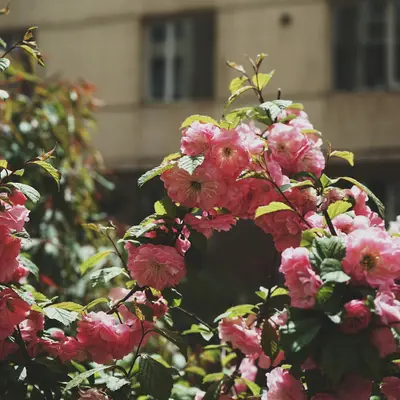
Blooms are 2 1/2" across and the palest, blush pink. Strong, straight stems can withstand considerable handling. Produces under short days.
Harvest
90-110d
Days to harvest
Sun
Full sun to partial shade
Zones
2–11
USDA hardiness
Height
2-4 feet
Planting Timeline
Showing dates for Versailles Flush in USDA Zone 7
All Zone 7 flower →Zone Map
Click a state to update dates
Versailles Flush · Zones 2–11
Growing Details
Succession Planting
Direct sow every 3–4 weeks from April through early June in zone 7, stopping before daytime highs consistently hit 90°F — germination drops off sharply above that threshold and the seedlings come in weak. A second wave direct-sown in mid-August will catch the cooler fall window and bloom from late September into first frost. Cosmos grown from indoor starts (February–March) have a head start but don't transplant as smoothly as direct-sown plants; if you go that route, disturb the roots as little as possible when setting out in April.
Complete Growing Guide
Blooms are 2 1/2" across and the palest, blush pink. Strong, straight stems can withstand considerable handling. Produces under short days. According to Johnny's Selected Seeds, Versailles Flush is 90 - 110 days to maturity, annual, open pollinated. Notable features: Easy Choice, Use for Cut Flowers and Bouquets, Attracts Beneficial Insects.
Light: Full sun (6 or more hours of direct sunlight a day), Partial Shade (Direct sunlight only part of the day, 2-6 hours). Soil: Clay, Loam (Silt), Sand. Soil pH: Alkaline (>8.0), Neutral (6.0-8.0). Drainage: Good Drainage, Occasionally Dry. Height: 2 ft. 0 in. - 4 ft. 0 in.. Spread: 2 ft. 0 in. - 3 ft. 0 in.. Spacing: 12 inches-3 feet. Growth rate: Rapid. Maintenance: Low. Propagation: Seed. Regions: Coastal, Mountains, Piedmont.
Harvesting
Versailles Flush reaches harvest at 90 - 110 days from sowing per Johnny's Selected Seeds. Expect 2 1/2" at peak. As an annual, harvest continues until frost ends the season.
Type: Capsule.
Storage & Preservation
Store cut stems in a cool location with high humidity; refrigeration at 34-38°F extends vase life to 10-14 days. Keep out of direct sunlight and away from ethylene-producing fruits. Change water every 2-3 days and recut stems at an angle. Preservation methods: air-dry by hanging stems upside down in a cool, dark space for 2-3 weeks; glycerin treatment (submerge stems in water mixed with glycerin) preserves color while adding suppleness; freeze-dry or press petals between parchment paper for long-term preservation in scrapbooks or craft projects.
History & Origin
Versailles Flush is open-pollinated, meaning seed saved from healthy plants will produce true-to-type offspring. Listed in the Johnny's Selected Seeds catalog.
Origin: Mexico and southwest North America
Advantages
- +Pale blush pink blooms are delicate and elegant for premium arrangements
- +Strong straight stems require minimal support and handle shipping well
- +Produces reliably under short days for consistent winter greenhouse crops
- +90-110 day timeline allows multiple successions per growing season
- +Easy difficulty makes it accessible for novice and commercial growers
Considerations
- -2.5 inch bloom size is smaller than standard cosmos varieties
- -Requires careful timing for short-day production to trigger flowering
- -Pale color may appear washed out under certain lighting conditions
- -Cosmos bipinnatus susceptible to powdery mildew in humid environments
Companion Plants
Marigolds (Tagetes spp.) are the most practical neighbor here — their root secretions deter nematodes, and the two together make a dense enough visual barrier to confuse aphids and thrips moving through the bed. Sweet Alyssum draws in parasitic wasps that keep caterpillar pressure down, and it stays low enough (4–6 inches) that it doesn't compete with cosmos for light. Nasturtiums can act as a trap crop for aphids, pulling them off the cosmos. Black Walnut is the one to avoid outright — juglone concentration in the soil directly under the canopy is high enough to stunt or kill most annuals, and Cosmos bipinnatus is not tolerant; keep at least 50 feet of distance from the drip line.
Plant Together
Marigolds
Repel aphids, whiteflies, and nematodes while attracting beneficial insects
Lavender
Deters pests with fragrant oils and attracts pollinators like bees and butterflies
Sweet Alyssum
Attracts beneficial insects like hoverflies and parasitic wasps for pest control
Nasturtiums
Act as trap crops for aphids and cucumber beetles while repelling squash bugs
Petunias
Repel aphids, tomato hornworms, and squash bugs with natural compounds
Catnip
Repels mosquitoes, ants, and rodents more effectively than DEET
Zinnia
Attracts beneficial predatory insects and provides long-lasting color companion
Cosmos
Attracts beneficial insects and provides natural support structure for climbing varieties
Keep Apart
Black Walnut
Releases juglone toxin that inhibits growth and can kill sensitive flowering plants
Eucalyptus
Produces allelopathic compounds that suppress growth of nearby plants
Sunflowers
Compete heavily for nutrients and water while releasing growth-inhibiting chemicals
Troubleshooting Versailles Flush
What you'll see, why it happens, and what to do about it.
Powdery white coating on leaves and stems, usually appearing midsummer when nights cool down
Likely Causes
- Powdery mildew (Erysiphe cichoracearum) — common on Cosmos bipinnatus in humid conditions with poor airflow
- Overcrowded planting that traps moisture around foliage
What to Do
- 1.Cut out and bin the worst-affected stems — don't compost them
- 2.Space plants at least 12–18 inches apart to get air moving between them
- 3.Spray remaining foliage with a diluted baking soda solution (1 tablespoon per gallon of water) weekly as a stopgap
Tall, leggy stems that flop over by midsummer, no matter how much you stake them
Likely Causes
- Soil too fertile — cosmos thrive on lean ground; excess nitrogen pushes height over structure
- Too much shade (fewer than 4 hours of direct sun) causing etiolation
What to Do
- 1.Skip the fertilizer entirely — direct sow into unamended or minimally amended soil
- 2.Pinch the growing tip when plants reach 12 inches tall; this forces branching and keeps height closer to 2–3 feet
- 3.Move next year's planting to a spot with 6+ hours of direct sun
Flower buds forming but failing to open, or opening and dropping within a day or two
Likely Causes
- Aphid colonies (often Myzus persicae) feeding on tender bud tissue
- Extreme heat — sustained daytime temps above 90°F can cause bud blast in Cosmos bipinnatus
What to Do
- 1.Check the undersides of buds and new growth for aphid clusters; knock them off with a strong water spray
- 2.If aphids persist, apply insecticidal soap directly to colonies — two or three applications, 4–5 days apart
- 3.For heat stress, there's not much to do mid-season; plan a late-summer direct sow for fall bloom when temps drop back below 85°F
Gray-brown rot at the base of stems, plants wilting and collapsing despite adequate soil moisture
Likely Causes
- Botrytis cinerea (gray mold) — thrives in cool, wet conditions, especially in dense plantings
- Overwatering or poor drainage keeping the root zone saturated
What to Do
- 1.Pull and dispose of any collapsed plants immediately — Botrytis spreads fast to neighbors
- 2.Improve drainage by amending with coarse sand or perlite before next season's planting
- 3.Water at the base, not overhead, and water in the morning so foliage dries before nightfall
Frequently Asked Questions
How long do cut Versailles Flush flowers last?▼
Is Versailles Flush a good choice for beginner flower growers?▼
What color are Versailles Flush blooms?▼
When should I plant Versailles Flush flowers?▼
Can you grow Versailles Flush in containers?▼
Why are the stems strong and straight on Versailles Flush?▼
Zone-by-Zone Planting Calendar
| Zone | Indoor Start | Transplant | Direct Sow | Harvest |
|---|---|---|---|---|
| Zone 1 | May – June | July – August | July – September | — |
| Zone 2 | April – May | June – July | June – August | — |
| Zone 11 | January – January | January – February | January – March | — |
| Zone 12 | January – January | January – February | January – March | — |
| Zone 13 | January – January | January – February | January – March | — |
| Zone 3 | April – May | June – July | June – August | — |
| Zone 4 | March – April | June – June | June – July | — |
| Zone 5 | March – April | May – June | May – July | — |
| Zone 6 | March – April | May – June | May – July | — |
| Zone 7 | February – March | April – May | April – June | — |
| Zone 8 | February – March | April – May | April – June | — |
| Zone 9 | January – February | March – April | March – May | — |
| Zone 10 | January – January | February – March | February – April | — |
Growing Guides from Wind River Greens
Sources & References
External authority sources used in compiling this guide.
- BreederJohnny's Selected Seeds
See the Methodology page for how this data is sourced, what's AI-assisted, and known limitations.