Dwarf Grey Sugar
Pisum sativum
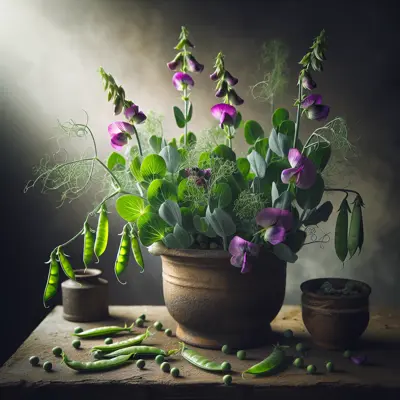
An attractive addition to salad mixes, Dwarf Grey Sugar is the preferred variety for both taste and tenderness. A great choice for restaurant sales. 28" vines. Edible Flowers: The flowers, with their mild and pea-like flavor, are a popular choice for brightening up salad mix. They can also be used in micro mix salads, as a garnish for desserts, or for candying to place on cakes.
Harvest
60-65d
Days to harvest
Sun
Full sun to partial shade
Zones
2–11
USDA hardiness
Height
12-18 inches
Planting Timeline
Showing dates for Dwarf Grey Sugar in USDA Zone 7
All Zone 7 pea →Zone Map
Click a state to update dates
Dwarf Grey Sugar · Zones 2–11
Growing Details
Succession Planting
Direct sow every 14-21 days starting March 1 in zone 7, and stop by early May — once daytime highs are consistently above 80°F, germination gets spotty and powdery mildew will take the plants before you get a decent harvest. At 60-65 days to maturity, a March 1 sowing gives you pods in late April or early May, and a late-April sowing will be racing the heat to finish.
Pick back up with a fall sowing around August 15 in zone 7 — soil temps drop through September and the plants can hit their stride before hard frost. One fall sowing usually covers it, but two sowings 14 days apart gives you insurance if the first germinates unevenly in still-warm soil.
Complete Growing Guide
Start preparing your site in early spring by working compost into well-draining soil with a pH between 6.0-7.0. Dwarf Grey Sugar thrives in slightly alkaline conditions, so add lime if your soil tests acidic. Unlike taller pea varieties, this compact heirloom needs minimal soil preparation depth—work amendments just 8-10 inches down.
Direct sow seeds 2-3 weeks before your last frost date when soil temperatures reach 45°F. In zones 3-5, this typically means late March to early April. Plant seeds 1.5 inches deep and 2 inches apart—closer spacing actually increases pod production in this dwarf variety. Soak seeds overnight in lukewarm water to improve germination rates, especially with older seed stock.
Skip indoor starting entirely with Dwarf Grey Sugar. These peas despise root disturbance and transplant poorly. The cold-hardy seeds germinate reliably in cool soil, often outperforming transplants by 2-3 weeks.
Fertilize sparingly at planting with a balanced 10-10-10 fertilizer, then switch to low-nitrogen fertilizer once flowering begins. Peas fix their own nitrogen, and excess feeding delays pod formation while promoting excessive foliage growth.
While most pea varieties require trussing, Dwarf Grey Sugar's 18-24 inch height needs only minimal support. Install 2-foot bamboo stakes or a low trellis when plants reach 6 inches tall. This prevents pods from touching soil during heavy rains, reducing disease pressure.
Avoid these common mistakes: overwatering established plants (leads to root rot), planting too late in spring (heat stress reduces yields), and overhead watering after flowering begins (encourages powdery mildew). Water at soil level using soaker hoses or drip irrigation.
Maximize yields by harvesting every 2-3 days once pods begin forming. This continuous picking triggers more flower production. In hot climates, provide afternoon shade using row covers to extend the harvest season into early summer.
Harvesting
Begin harvesting Dwarf Grey Sugar peas 60-65 days after sowing when pods reach 3-4 inches long but remain flat and tender. The ideal harvest window occurs when you can see tiny pea outlines through the pod wall, but the peas haven't begun swelling significantly.
Perform the flex test: bend the pod gently—it should snap crisply without strings. Overripe pods become tough and develop noticeable strings along the seams. The pod color should remain bright green with a glossy sheen; avoid any yellowing pods.
Harvest in early morning when pods are fully hydrated and at peak crispness. Use both hands when picking—hold the vine steady with one hand while gently twisting pods upward with the other. This prevents damage to the delicate stems and encourages continued production.
Check plants every 2-3 days during peak season, as pods can overripen quickly in warm weather. Regular harvesting extends the productive period by 2-3 weeks compared to sporadic picking. Focus on the lower nodes first, as these mature earliest in this determinate variety.
Storage & Preservation
Fresh Dwarf Grey Sugar pods maintain peak quality for 3-5 days when stored unwashed in perforated plastic bags in the refrigerator crisper drawer. Keep humidity high (90-95%) and temperature around 32-35°F for maximum storage life.
For longer preservation, blanch whole pods in boiling water for 2 minutes, then immediately plunge into ice water. Drain thoroughly and freeze in airtight containers for up to 8 months. The stringless quality makes Dwarf Grey Sugar excellent for freezing—no prep work needed.
Dehydrate young, tender pods in a food dehydrator at 125°F for 8-12 hours until crispy. Store dried pods in airtight containers for adding to soups and stews throughout winter. Fermented pea pods create an unusual pickle—pack in 3% salt brine and ferment at room temperature for 5-7 days before refrigerating.
History & Origin
Dwarf Grey Sugar originated in European gardens during the 1770s, representing an early achievement in selective breeding for compact growth habit. Unlike many heirloom peas that developed in specific regions, this variety emerged from widespread cultivation across northern European countries, particularly Germany and Holland, where small-space gardening necessitated dwarf varieties.
The 'Grey' designation refers to the seed color—mature seeds display a distinctive greyish-brown hue that distinguished this variety in seed markets. European gardeners prized it for container cultivation in courtyards and small plots, making it one of the first peas specifically selected for urban gardening.
American seed companies began offering Dwarf Grey Sugar in the 1880s, where it gained popularity among immigrant communities familiar with European gardening traditions. The variety nearly disappeared during the mid-20th century push toward modern hybrid vegetables but experienced revival during the 1980s heirloom movement. Today's seeds trace their lineage through dedicated seed savers who maintained this variety through multiple generations.
Advantages
- +Exceptional container performance in 8+ inch deep pots
- +No stringing required—pods remain completely stringless even when mature
- +Superior cold tolerance compared to modern pea varieties—survives light frosts
- +Self-supporting growth habit eliminates need for tall trellising
- +Distinctive purple flowers add ornamental value to edible gardens
- +Concentrated harvest period perfect for succession plantings
- +Naturally compact 18-24 inch height ideal for small-space gardens
Considerations
- -Lower overall yields compared to tall climbing pea varieties
- -Shorter harvest window than indeterminate pea types
- -Seeds can be difficult to source from mainstream garden centers
- -More susceptible to soil-borne diseases due to low growth habit
- -Heat sensitivity limits growing season in warm climates
Companion Plants
Carrots and radishes are the most practical neighbors here — they sit at different root depths, so they're not pulling from the same moisture pocket as the peas. Lettuce and spinach tuck in underneath nicely since both tolerate the partial shade a short 18-inch pea planting throws and they'll be harvested before summer heat arrives anyway. Marigolds at the row ends do attract predatory insects, which helps keep pea aphid pressure from getting out of hand. Onions and garlic are allelopathic toward legumes and will stunt nodule development on the roots; keep them at least a full bed away. Gladiolus shares disease vectors with Pisum sativum and isn't worth the proximity.
Plant Together
Carrots
Peas add nitrogen to soil that carrots need, while carrots break up soil for pea roots
Radishes
Break up compacted soil and mature quickly, making space for pea root development
Lettuce
Benefits from nitrogen fixed by peas and provides ground cover to retain soil moisture
Spinach
Thrives in nitrogen-rich soil created by peas and has similar growing requirements
Cucumbers
Heavy nitrogen feeders that benefit from peas' nitrogen fixation
Corn
Provides natural trellis support for climbing peas while benefiting from nitrogen fixation
Mint
Repels ants and rodents that may damage pea seeds and pods
Marigolds
Repel aphids and other pests that commonly attack pea plants
Keep Apart
Onions
Can inhibit pea growth and nitrogen fixation through root secretions
Garlic
Allelopathic compounds can stunt pea growth and reduce pod production
Gladiolus
Competes heavily for nutrients and can harbor thrips that damage pea flowers
Nutrition Facts
Per 100g serving. % Daily Value based on 2,000 calorie diet. Source: USDA FoodData Central (FDC #170419)
Pests & Disease Resistance
Resistance
Naturally hardy with good general disease tolerance
Common Pests
Aphids, flea beetles, cutworms, slugs
Diseases
Powdery mildew, damping-off, bacterial wilt, mosaic virus
Troubleshooting Dwarf Grey Sugar
What you'll see, why it happens, and what to do about it.
Seedlings collapse at or just below the soil line within the first 10 days after germination
Likely Causes
- Damping-off — typically Pythium or Rhizoctonia fungi thriving in cold, wet soil
- Overwatering combined with poor drainage before seedlings establish
What to Do
- 1.Pull the collapsed seedlings and don't replant in the same spot until conditions dry out
- 2.Direct sow into well-drained soil only when soil temps are at least 45°F — Dwarf Grey Sugar germinates in 7-10 days and doesn't benefit from an early start in cold muck
- 3.Water in the morning so the soil surface dries before nightfall, and ease off to well under 1 inch per week during cool, overcast stretches
White powdery coating on leaves and stems, usually appearing after plants have been growing 40+ days
Likely Causes
- Powdery mildew — a fungal infection that spreads through airborne spores and accelerates when warm days follow cool nights
- Plants spaced under 3 inches apart that restrict airflow between vines
What to Do
- 1.Strip and bin the worst-affected leaves — don't compost them
- 2.Give new sowings the full 3-4 inch spacing; at 12-18 inches tall these plants don't need much horizontal room but they do need air moving through them
- 3.Time your last sowing so harvest finishes before mildew gets serious — at 60-65 days to maturity, count backward from your expected first hot spell
Stunted, curling new growth with sticky residue on leaves and stems, sometimes with ants trailing up the plant
Likely Causes
- Pea aphid (Acyrthosiphon pisum) colonies clustered on new growth and leaf undersides
- Ant activity farming the aphids for honeydew, which signals the infestation is already established
What to Do
- 1.Knock aphids off with a firm spray of water — do this 3 mornings in a row to break the cycle
- 2.Check stems for egg clusters and crush them while you're at it
- 3.If the population rebounds fast, apply insecticidal soap directly to the colonies; NC State Extension lists it as an appropriate low-impact option for soft-bodied pests on vegetables
Frequently Asked Questions
How long does Dwarf Grey Sugar pea take to grow?▼
Can you grow Dwarf Grey Sugar peas in containers?▼
Is Dwarf Grey Sugar good for beginners?▼
What does Dwarf Grey Sugar pea taste like?▼
When should I plant Dwarf Grey Sugar peas?▼
Do Dwarf Grey Sugar peas need a trellis?▼
Zone-by-Zone Planting Calendar
| Zone | Indoor Start | Transplant | Direct Sow | Harvest |
|---|---|---|---|---|
| Zone 1 | — | — | June – July | August – September |
| Zone 2 | — | — | May – July | July – September |
| Zone 11 | — | — | January – February | February – December |
| Zone 12 | — | — | January – February | February – December |
| Zone 13 | — | — | January – February | February – December |
| Zone 3 | — | — | May – June | July – October |
| Zone 4 | — | — | April – June | June – October |
| Zone 5 | — | — | April – May | June – November |
| Zone 6 | — | — | April – May | June – November |
| Zone 7 | — | — | March – May | May – November |
| Zone 8 | — | — | March – April | May – December |
| Zone 9 | — | — | February – March | April – December |
| Zone 10 | — | — | January – March | March – December |
Growing Guides from Wind River Greens
Sources & References
External authority sources used in compiling this guide.
- BreederJohnny's Selected Seeds
- USDAUSDA FoodData Central
See the Methodology page for how this data is sourced, what's AI-assisted, and known limitations.