Britton
Perilla frutescens
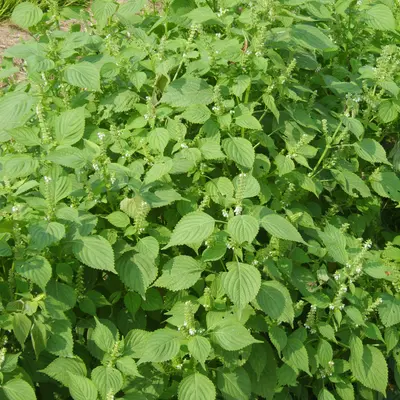
Good salad mix item, or use larger leaves as sushi wraps or garnishes. Larger leaf and plant than our 'Red' and 'Green' shiso. Mild mint/basil aroma. Also good for ornamental use. Leaves show best color contrast when grown in temperatures below 85°F (29°C). Also known as perilla. Edible Flowers:The flowers are a flavorful addition to salads and Asian dishes. Pairs well with fish, rice, noodles, and cucumbers. The minty, basil-like flavor has hints of clove and cumin.
Harvest
80-85d
Days to harvest
Sun
Full sun to partial shade
Zones
10–11
USDA hardiness
Height
1-3 feet
Planting Timeline
Showing dates for Britton in USDA Zone 7
All Zone 7 herb →Zone Map
Click a state to update dates
Britton · Zones 10–11
Growing Details
Complete Growing Guide
Good salad mix item, or use larger leaves as sushi wraps or garnishes. Larger leaf and plant than our 'Red' and 'Green' shiso. Mild mint/basil aroma. Also good for ornamental use. Leaves show best color contrast when grown in temperatures below 85°F (29°C). Also known as perilla. Edible Flowers:The flowers are a flavorful addition to salads and Asian dishes. Pairs well with fish, rice, noodles, and cucumbers. The minty, basil-like flavor has hints of clove and cumin. According to Johnny's Selected Seeds, Britton is 80 - 85 days to maturity, annual, open pollinated. Notable features: Grows Well in Containers, Use for Cut Flowers and Bouquets, Edible Flowers.
Light: Full sun (6 or more hours of direct sunlight a day), Partial Shade (Direct sunlight only part of the day, 2-6 hours). Soil: High Organic Matter. Drainage: Good Drainage, Occasionally Wet. Height: 1 ft. 0 in. - 3 ft. 0 in.. Spread: 0 ft. 3 in. - 1 ft. 6 in.. Spacing: Less than 12 inches. Growth rate: Rapid. Maintenance: High. Propagation: Seed. Regions: Coastal, Mountains, Piedmont.
Harvesting
Britton reaches harvest at 80 - 85 days from sowing per Johnny's Selected Seeds. As an annual, harvest continues until frost ends the season.
.06 inch reticulate nutlet gray-brown
Color: Brown/Copper, Gray/Silver. Length: < 1 inch. Width: < 1 inch.
Edibility: Leaves as a salad herb, flavoring
Storage & Preservation
Britton leaves are best used fresh but store briefly in a sealed plastic bag in the refrigerator at 35–40°F, where they'll keep for 3–5 days before losing flavor and texture. For longer preservation, freezing works well: blanch leaves for 2 minutes, shock in ice water, pat dry, then freeze flat on trays before transferring to freezer bags for up to three months. Drying is equally effective—hang bundles in a warm, well-ventilated space or use a dehydrator at 95–105°F until leaves crumble easily. Store dried leaves in airtight containers away from light. Fermentation of the leaves produces a traditional condiment similar to umeboshi, capturing the herb's distinctive aromatic compounds. Perilla seeds can be dried and stored in cool, dry conditions for future planting.
History & Origin
Britton is open-pollinated, meaning seed saved from healthy plants will produce true-to-type offspring. Listed in the Johnny's Selected Seeds catalog.
Origin: Himalayas to Southeast Asia
Advantages
- +Larger leaves ideal for sushi wraps and creative culinary presentations
- +Mild mint-basil flavor with clove-cumin notes pairs excellently with Asian cuisine
- +Easy 80-85 day growth cycle suitable for beginner gardeners
- +Edible flowers add visual and flavor appeal to salads and dishes
- +Attractive ornamental value with striking leaf color contrast
Considerations
- -Requires cooler temperatures below 85°F for optimal leaf color development
- -Larger plant size demands more garden space than compact herb varieties
- -Can self-seed aggressively if flowers aren't harvested before maturation
Companion Plants
Tomatoes and peppers are the most useful neighbors for Britton — the plant's strong anise-like scent appears to disorient aphids and thrips that would otherwise target those crops, and all three share the same warm-season timing without competing at the root level. Marigolds (Tagetes spp.) add another layer of insect disruption nearby, and lettuce benefits practically from the shade Perilla casts once it hits 2-3 feet. Rue, sage, and thyme are the ones to skip — all three are drought-adapted Mediterranean plants that want soil kept on the dry side, while Perilla needs regular moisture; push them together and you'll either drown the sage or stress the Perilla, neither of which ends well.
Plant Together
Tomatoes
Basil repels tomato hornworms and aphids, may improve tomato flavor
Peppers
Basil deters aphids and spider mites that commonly affect peppers
Oregano
Both herbs have similar growing requirements and repel common garden pests
Lettuce
Basil provides light shade for lettuce and repels aphids that damage leafy greens
Asparagus
Basil repels asparagus beetles and doesn't compete for root space
Marigolds
Both plants repel aphids and whiteflies, creating a stronger pest deterrent
Parsley
Similar water and nutrient needs, basil helps repel pests that affect parsley
Carrots
Basil improves soil health and repels carrot flies without root competition
Keep Apart
Rue
Allelopathic properties inhibit basil growth and development
Sage
Competes for similar nutrients and may stunt basil growth
Thyme
Can inhibit basil germination and early growth through allelopathy
Nutrition Facts
Per 100g serving. % Daily Value based on 2,000 calorie diet. Source: USDA FoodData Central (FDC #172232)
Troubleshooting Britton
What you'll see, why it happens, and what to do about it.
Seedlings are leggy and pale, flopping over by day 14-20 after germination
Likely Causes
- Insufficient light — Perilla grown in under 4 hours of direct sun stretches hard
- Sowing too early indoors in February without supplemental lighting
What to Do
- 1.Move flats to the brightest south-facing window you have, or run a grow light 14-16 hours per day positioned 2-3 inches above the canopy
- 2.Pinch the growing tip once seedlings hit 4 inches to encourage branching instead of height
- 3.If they're already floppy, pot up into deeper cells and bury the stem an inch — Perilla tolerates it without complaint
Leaves develop dark water-soaked patches that collapse and turn brown, usually after a stretch of wet weather
Likely Causes
- Botrytis cinerea (gray mold) — thrives in humid, stagnant air and gets worse in dense plantings
- Spacing plants closer than 12 inches, which chokes airflow between stems
What to Do
- 1.Pull off and trash (not compost) any affected leaves immediately
- 2.Thin or transplant so plants sit at least 12-18 inches apart — NC State Extension's IPM notes that poor placement and crowding directly enable disease pressure
- 3.Water at the base, not overhead, and do it in the morning so foliage dries before nightfall
Leaves riddled with small ragged holes, especially on young growth, starting mid-spring
Likely Causes
- Flea beetles (Epitrix spp.) — tiny black jumpers that overwinter in soil and emerge when temperatures push past 50°F
- Slugs — more likely if damage appears overnight and plants are sitting in partial shade with consistently wet soil
What to Do
- 1.Cover transplants with row cover right after planting out in April-May; leave it on until plants are well-established and 8+ inches tall
- 2.For flea beetles, dust diatomaceous earth around the base — reapply after every rain
- 3.For slugs, set out iron phosphate bait (Sluggo) near the base of plants at dusk
Frequently Asked Questions
How long does Britton shiso take to harvest?▼
Is Britton shiso good for beginners?▼
Can you grow Britton shiso in containers?▼
What does Britton shiso taste like?▼
When should I plant Britton shiso?▼
How does Britton shiso compare to other shiso varieties?▼
Zone-by-Zone Planting Calendar
| Zone | Indoor Start | Transplant | Direct Sow | Harvest |
|---|---|---|---|---|
| Zone 11 | January – January | January – March | — | March – December |
| Zone 3 | April – May | June – July | — | July – October |
| Zone 4 | March – April | June – July | — | July – October |
| Zone 5 | March – April | May – June | — | June – October |
| Zone 6 | March – April | May – June | — | June – November |
| Zone 7 | February – March | April – June | — | June – November |
| Zone 8 | February – March | April – May | — | May – December |
| Zone 9 | January – February | March – April | — | April – December |
| Zone 10 | January – January | February – April | — | April – December |
Growing Guides from Wind River Greens
Sources & References
External authority sources used in compiling this guide.
- ExtensionNC State Extension
- BreederJohnny's Selected Seeds
- USDAUSDA FoodData Central
See the Methodology page for how this data is sourced, what's AI-assisted, and known limitations.