Penny™ All Season Mix
Viola cornuta
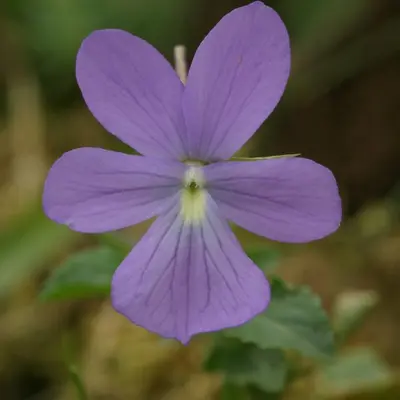
Compact, mounding habit with 1 1/2", uniquely colored blooms. Adaptable to a wide range of growing conditions. Edible Flowers: Decorative and edible garnish for salads and desserts with slight wintergreen flavor. While a popular choice for brightening up salad mix, the flowers are also good for candying.Also known as pansy, Johnny jump-up, European field pansy, and horned violet.
Harvest
60-70d
Days to harvest
Sun
Full sun to partial shade
Zones
6–11
USDA hardiness
Height
6-9 inches
Planting Timeline
Showing dates for Penny™ All Season Mix in USDA Zone 7
All Zone 7 flower →Zone Map
Click a state to update dates
Penny™ All Season Mix · Zones 6–11
Growing Details
Succession Planting
Start seeds indoors under grow lights in February or early March — germination takes 7-14 days at soil temperatures around 65-70°F. Transplant outdoors in April once nights stay reliably above 40°F, spacing plants 6-8 inches apart. A second direct sowing in May or June extends color into early summer, but expect blooming to taper off once daytime highs consistently hit 85-90°F; at that point deadheading buys you a few extra weeks, not months.
In zones 9-11, skip the spring succession chase and time one good planting for fall — set transplants out in September or October and you'll get a longer, stronger show than you'd ever manage fighting summer heat from a spring start.
Complete Growing Guide
Compact, mounding habit with 1 1/2", uniquely colored blooms. Adaptable to a wide range of growing conditions. Edible Flowers: Decorative and edible garnish for salads and desserts with slight wintergreen flavor. While a popular choice for brightening up salad mix, the flowers are also good for candying.Also known as pansy, Johnny jump-up, European field pansy, and horned violet. According to Johnny's Selected Seeds, Penny™ All Season Mix is 60 - 70 days to maturity, annual, hybrid (f1). Notable features: Grows Well in Containers, Edible Flowers.
Light: Full sun (6 or more hours of direct sunlight a day), Partial Shade (Direct sunlight only part of the day, 2-6 hours). Soil: Clay, Loam (Silt), Sand. Soil pH: Acid (<6.0), Neutral (6.0-8.0). Drainage: Good Drainage, Moist. Height: 0 ft. 6 in. - 0 ft. 9 in.. Spread: 0 ft. 6 in. - 1 ft. 0 in.. Spacing: Less than 12 inches. Growth rate: Rapid. Maintenance: Low, Medium. Propagation: Division, Seed. Regions: Coastal, Mountains, Piedmont.
Harvesting
Penny™ All Season Mix reaches harvest at 60 - 70 days from sowing per Johnny's Selected Seeds. Expect 1 1/2" at peak. As an annual, harvest continues until frost ends the season.
The fruit is a three valves capsule. The seeds have an oily feel and are freely dispersed by ants.
Edibility: Flowers and leaves are edible.
Storage & Preservation
Fresh pansies should be stored in the refrigerator (35-45°F) in a container with a damp paper towel to maintain humidity, with a shelf life of 3-5 days. For preservation, dry flowers by hanging them upside down in a cool, well-ventilated area for 1-2 weeks, then store in an airtight container away from light. Alternatively, preserve petals by pressing them between parchment paper under heavy books for 2-3 weeks, ideal for crafts and decoration. Candying is another popular method—brush petals with egg white, coat with superfine sugar, and dry on parchment for 24-48 hours, then store in an airtight container in a cool place for up to 2 weeks.
History & Origin
Penny™ All Season Mix is an F1 hybrid developed through controlled cross-pollination. Listed in the Johnny's Selected Seeds catalog.
Origin: France and Spain
Advantages
- +Compact mounding habit makes Penny All Season Mix ideal for containers and borders
- +Uniquely colored blooms provide distinctive visual interest compared to standard pansy varieties
- +Edible flowers offer dual-purpose use as garnish and decorative cake embellishment
- +Adaptable to wide range of growing conditions reduces special care requirements
- +Fast 60-70 day maturity allows quick flowering from seed to garden display
Considerations
- -1.5 inch blooms are smaller than traditional pansies limiting visual impact
- -Edible flower petals require thorough washing before culinary use for safety
- -Cool-season preference may cause decline during hot summer months in warm climates
Companion Plants
Marigolds and Calendula are the most practical neighbors here — both emit scent compounds that deter aphids and whiteflies, and they bloom at roughly the same 6-9 inch scale as the Penny violas, so neither crowds the other out. Dusty Miller pulls its weight as a foliage contrast that wants nearly identical care: 6-8 inch spacing, moderate water, no allelopathic chemistry to worry about. Sweet Alyssum draws in parasitic wasps (Braconidae family) that hold aphid pressure down across the whole planting. Black Walnut trees are a hard no — juglone leaches from the roots and will stunt or kill violas planted within their drip zone — and Large Sunflowers block the 4-6 hours of direct sun these plants need to keep blooming.
Plant Together
Marigolds
Repel aphids, whiteflies, and nematodes while attracting beneficial insects
Dusty Miller
Provides contrasting silver foliage that highlights viola colors without competition
Sweet Alyssum
Attracts beneficial insects like hoverflies and parasitic wasps for natural pest control
Nasturtiums
Act as trap crops for aphids and cucumber beetles, drawing pests away from violas
Snapdragons
Provide vertical structure and attract pollinators while sharing similar growing conditions
Lobelia
Complements viola's trailing habit and shares preference for cool, moist conditions
Calendula
Repels aphids and attracts beneficial insects while providing complementary colors
Pansies
Share identical growing requirements and bloom times, creating fuller displays
Keep Apart
Black Walnut Trees
Release juglone toxin through roots that inhibits viola growth and causes wilting
Impatiens
Compete aggressively for water and nutrients, may harbor similar fungal diseases
Large Sunflowers
Create excessive shade and compete for nutrients, stunting viola growth
Eucalyptus
Produces allelopathic compounds that inhibit germination and growth of nearby plants
Pests & Disease Resistance
Common Pests
Slugs, snails, spider mites, aphids
Diseases
Powdery mildew, leaf spot, pansy leaf curl virus
Troubleshooting Penny™ All Season Mix
What you'll see, why it happens, and what to do about it.
Ragged holes chewed in petals and leaves overnight, seedlings disappearing at soil level
Likely Causes
- Slugs or snails — most active in cool, wet weather and after irrigation
- Cutworms (Agrotis spp.) — if damage is concentrated at the stem base
What to Do
- 1.Set out iron phosphate bait (Sluggo or similar) around the base of plants at dusk
- 2.Scatter a 2-inch ring of diatomaceous earth around transplants, and reapply after rain
- 3.Check under mulch and debris during the day — slugs hide there and can be hand-picked
White powdery coating on upper leaf surfaces, usually starting mid-season when nights cool down
Likely Causes
- Powdery mildew (Erysiphe cichoracearum) — thrives in warm days and cool, humid nights with poor airflow
What to Do
- 1.Thin plants to at least 6 inches apart so air can move through the canopy
- 2.Spray with a diluted potassium bicarbonate solution (1 tablespoon per gallon) every 7 days until symptoms stop spreading
- 3.Water at the base, not overhead — wet foliage at night accelerates spread fast
Leaves stippled with tiny yellow or bronze flecks, sometimes with fine webbing on the undersides in hot, dry stretches
Likely Causes
- Two-spotted spider mites (Tetranychus urticae) — pressure spikes when temperatures stay above 85°F and humidity is low
What to Do
- 1.Blast the undersides of leaves with a firm stream of water for several days in a row to knock mite populations down
- 2.Apply insecticidal soap or neem oil to leaf undersides, covering thoroughly — repeat every 5-7 days for 3 applications
- 3.Mites build resistance quickly; if one product stops working, switch to a different mode of action rather than increasing the dose
New growth distorted or stunted, leaves puckered or cupped, with or without visible insects on stem tips
Likely Causes
- Aphid colonies (commonly green peach aphid, Myzus persicae) — they cluster on new growth and excrete sticky honeydew
- Pansy leaf curl virus — transmitted by aphids; distortion persists even after aphids are controlled
What to Do
- 1.Check stem tips and leaf undersides; if aphids are present, knock them off with a strong water spray or treat with insecticidal soap
- 2.If distortion continues 2-3 weeks after aphids are gone and new growth still looks wrong, pull and discard the plant — pansy leaf curl virus has no cure
- 3.Reflective mulch film laid at planting deters incoming winged aphids and cuts early-season transmission risk
Frequently Asked Questions
How long does it take for Penny All Season Mix pansies to bloom?▼
Can you grow Penny All Season Mix in containers?▼
Is Penny All Season Mix good for beginner gardeners?▼
What does Penny All Season Mix taste like?▼
When should I plant Penny All Season Mix pansies?▼
What makes Penny All Season Mix different from other pansy varieties?▼
Zone-by-Zone Planting Calendar
| Zone | Indoor Start | Transplant | Direct Sow | Harvest |
|---|---|---|---|---|
| Zone 3 | April – May | June – July | June – August | — |
| Zone 4 | March – April | June – June | June – July | — |
| Zone 5 | March – April | May – June | May – July | — |
| Zone 6 | March – April | May – June | May – July | — |
| Zone 7 | February – March | April – May | April – June | — |
| Zone 8 | February – March | April – May | April – June | — |
| Zone 9 | January – February | March – April | March – May | — |
| Zone 10 | January – January | February – March | February – April | — |
| Zone 1 | May – June | July – August | July – September | — |
| Zone 2 | April – May | June – July | June – August | — |
| Zone 11 | January – January | January – February | January – March | — |
| Zone 12 | January – January | January – February | January – March | — |
| Zone 13 | January – January | January – February | January – March | — |
Growing Guides from Wind River Greens
Sources & References
External authority sources used in compiling this guide.
- BreederJohnny's Selected Seeds
See the Methodology page for how this data is sourced, what's AI-assisted, and known limitations.