Avignon Pink II
Antirrhinum majus
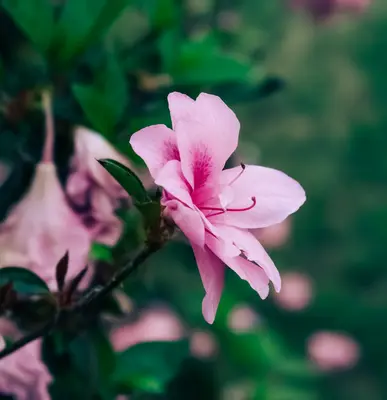
Bloom color is a little richer and deeper (not as pale) as Costa Silver but still lighter than Potomac Pink Improved or Costa Light Rose II. Group 2, cool-season snapdragon, bred for performance under short days, low light, and low-temperature conditions. Not recommended for summer production. Plants produce short, thin stems under high light, summer temperatures, and long-day conditions. Pair with other Group 1 and 2 snapdragons such as the Costa II and Maryland series.Edible Flowers: The flowers are a colorful garnish for use in salads, desserts, and drinks. The flavor is floral and slightly bitter, so use sparingly.
Harvest
100-110d
Days to harvest
Sun
Full sun to partial shade
Zones
7–10
USDA hardiness
Height
0-3 feet
Planting Timeline
Showing dates for Avignon Pink II in USDA Zone 7
All Zone 7 flower →Zone Map
Click a state to update dates
Avignon Pink II · Zones 7–10
Growing Details
Succession Planting
Avignon Pink II runs 100–110 days from seed to bloom and keeps flowering until hard heat or frost shuts it down — it's not a cut-and-come-again crop you stagger every two weeks. Start one indoor sow in February–March for spring transplants going in April–May (zone 7); then start a second batch indoors in late June to put out in August for a fall flush before first frost. Two rounds is about all the season allows. Mid-summer direct sowing rarely pays off because seedlings hit their stride just as temperatures drop and days shorten.
Complete Growing Guide
Bloom color is a little richer and deeper (not as pale) as Costa Silver but still lighter than Potomac Pink Improved or Costa Light Rose II. Group 2, cool-season snapdragon, bred for performance under short days, low light, and low-temperature conditions. Not recommended for summer production. Plants produce short, thin stems under high light, summer temperatures, and long-day conditions. Pair with other Group 1 and 2 snapdragons such as the Costa II and Maryland series.Edible Flowers: The flowers are a colorful garnish for use in salads, desserts, and drinks. The flavor is floral and slightly bitter, so use sparingly. According to Johnny's Selected Seeds, Avignon Pink II is 100 - 110 days to maturity, annual, hybrid (f1). Notable features: Greenhouse Performer, Use for Cut Flowers and Bouquets, Fragrant.
Light: Full sun (6 or more hours of direct sunlight a day), Partial Shade (Direct sunlight only part of the day, 2-6 hours). Soil: High Organic Matter. Drainage: Good Drainage. Height: 0 ft. 6 in. - 3 ft. 0 in.. Spread: 0 ft. 6 in. - 0 ft. 10 in.. Spacing: Less than 12 inches. Growth rate: Medium. Maintenance: Medium.
Harvesting
Avignon Pink II reaches harvest at 100 - 110 days from sowing per Johnny's Selected Seeds. As an annual, harvest continues until frost ends the season.
A capsule, half hidden by calyx lobes, short-beaked.
Type: Capsule. Length: 1-3 inches.
Storage & Preservation
Store fresh cut stems in a cool location away from direct sunlight. Keep in a vase with clean, cool water (50-60°F ideal) and change water every 2-3 days for maximum vase life of 7-10 days. For edible flowers used as garnish, refrigerate on a damp paper towel in a sealed container for up to 3 days. Preservation methods: air-dry by hanging upside-down in a dark, well-ventilated space for dried arrangements lasting several months; press flowers between book pages for flattened specimens; or freeze in ice cubes with water for decorative uses in beverages for up to 2 months.
History & Origin
Avignon Pink II is an F1 hybrid developed through controlled cross-pollination. Listed in the Johnny's Selected Seeds catalog.
Origin: Southwestern Europe
Advantages
- +Richer, deeper pink color than Costa Silver without being too dark
- +Specifically bred for cool-season performance with short days and low light
- +Pairs well with other Group 1 and 2 snapdragons for mixed plantings
- +Edible flowers provide unique floral garnish for culinary presentations
- +Easy difficulty level makes it suitable for most growers
Considerations
- -Not recommended for summer production due to heat sensitivity
- -Produces short, thin stems under high light and long-day conditions
- -Limited color range appeal compared to other snapdragon varieties
- -Requires cool-season timing which restricts production windows
Companion Plants
Marigolds (especially Tagetes patula) are the strongest companion here — their root secretions deter soil nematodes, and their scent disrupts the aphids and thrips that target snapdragon buds. Sweet alyssum pulls in parasitic wasps and hoverflies that keep those same pests in check, and it fills the low gaps without competing for root space at 18–24-inch snapdragon spacing. Nasturtiums work well as a trap crop, drawing aphid pressure away from Avignon Pink II. Skip fennel entirely — its allelopathic compounds stunt nearby annuals — and site black walnut at least 50 feet out, since its roots deposit juglone well beyond the canopy edge.
Plant Together
Marigolds
Repel aphids, whiteflies, and nematodes while attracting beneficial insects
Sweet Alyssum
Attracts beneficial insects like lacewings and provides ground cover
Nasturtiums
Act as trap crops for aphids and cucumber beetles, protecting eggplants
Basil
Repels thrips, aphids, and hornworms while improving eggplant flavor
Oregano
Deters pests and attracts pollinators with aromatic compounds
Petunias
Repel aphids, tomato hornworms, and squash bugs naturally
Catnip
Strong pest deterrent against flea beetles and aphids
Borage
Attracts pollinators and beneficial insects while deterring hornworms
Keep Apart
Black Walnut Trees
Release juglone toxin that inhibits eggplant growth and causes wilting
Fennel
Produces allelopathic compounds that stunt growth of nearby eggplants
Geraniums
May attract Japanese beetles which can damage eggplant foliage
Pests & Disease Resistance
Common Pests
Aphids, spider mites, thrips
Diseases
Powdery mildew, root rot, rust
Troubleshooting Avignon Pink II
What you'll see, why it happens, and what to do about it.
White powdery coating on leaves and stems, usually appearing first on upper leaf surfaces in mid-to-late summer
Likely Causes
- Powdery mildew (Erysiphe antirrhini) — thrives in warm days, cool nights, and low airflow
- Crowded planting at less than 18-inch spacing trapping humidity around foliage
What to Do
- 1.Remove and trash the worst-affected leaves — don't compost them
- 2.Spray remaining foliage with a diluted neem oil solution (2 tbsp per gallon of water) every 7 days until symptoms stop spreading
- 3.Next season, space plants the full 18–24 inches and avoid overhead watering in the evening
Orange or yellow pustules on the undersides of leaves, with corresponding yellow spots on top — often appearing in cool, wet stretches
Likely Causes
- Snapdragon rust (Puccinia antirrhini) — a fungal pathogen that spreads quickly in cool, humid conditions
- Overhead irrigation wetting foliage and holding moisture for extended periods
What to Do
- 1.Strip infected leaves immediately and dispose of them in the trash
- 2.Switch to drip or base watering to keep foliage dry
- 3.Apply a sulfur-based fungicide every 10–14 days if the infection is spreading; check the label for temperature limits since sulfur can burn foliage above 90°F
Plants wilting despite adequate soil moisture, with stems turning brown or mushy at the soil line
Likely Causes
- Root rot — most often Phytophthora or Pythium species in waterlogged or poorly drained soil
- Overwatering in heavy clay soil, especially during cool spells when the plant isn't actively taking up water
What to Do
- 1.Pull the affected plant — it won't recover once the stem is mushy at the base
- 2.Improve drainage before replanting: work 2–3 inches of compost into the bed, or raise the bed entirely
- 3.Water only when the top inch of soil is dry, and never let pots sit in standing water
Distorted new growth, sticky residue on leaves, or tiny insects clustered on stem tips and flower buds
Likely Causes
- Aphids (commonly Myzus persicae or Macrosiphum euphorbiae) feeding on soft new tissue
- Thrips (Frankliniella occidentalis) — harder to spot, but their rasping leaves silvery streaking on petals and leaves alongside the distortion
What to Do
- 1.Blast aphid colonies off with a firm stream of water from a hose — do this in the morning so foliage dries by evening
- 2.For thrips, apply insecticidal soap (follow label dilution, usually a 2–3% solution) directly to buds and stem tips every 5–7 days
- 3.Plant sweet alyssum nearby to draw in parasitic wasps and hoverflies — they'll work the aphid population down without sprays
Frequently Asked Questions
How long do Avignon Pink II snapdragon flowers last in a vase?▼
Can you grow Avignon Pink II snapdragons in containers?▼
Is Avignon Pink II good for beginners?▼
When should I plant Avignon Pink II snapdragons?▼
What does Avignon Pink II taste like?▼
How is Avignon Pink II different from other pink snapdragons?▼
Zone-by-Zone Planting Calendar
| Zone | Indoor Start | Transplant | Direct Sow | Harvest |
|---|---|---|---|---|
| Zone 1 | May – June | July – August | July – September | — |
| Zone 2 | April – May | June – July | June – August | — |
| Zone 11 | January – January | January – February | January – March | — |
| Zone 12 | January – January | January – February | January – March | — |
| Zone 13 | January – January | January – February | January – March | — |
| Zone 3 | April – May | June – July | June – August | — |
| Zone 4 | March – April | June – June | June – July | — |
| Zone 5 | March – April | May – June | May – July | — |
| Zone 6 | March – April | May – June | May – July | — |
| Zone 7 | February – March | April – May | April – June | — |
| Zone 8 | February – March | April – May | April – June | — |
| Zone 9 | January – February | March – April | March – May | — |
| Zone 10 | January – January | February – March | February – April | — |
Growing Guides from Wind River Greens
Sources & References
External authority sources used in compiling this guide.
- BreederJohnny's Selected Seeds
See the Methodology page for how this data is sourced, what's AI-assisted, and known limitations.