Common Mint
Mentha spp.
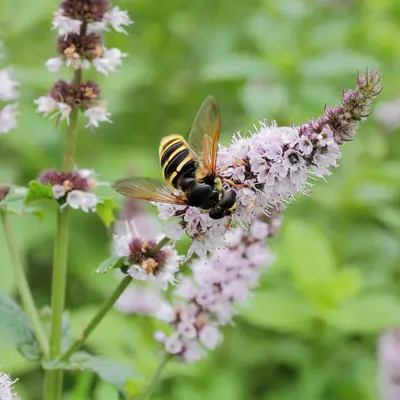
Use to flavor salad mix, main dishes, ice cream, and drinks. Variety not stated since mint does not grow true-to-type from seed. Edible Flowers: The flowers add a minty flavor to salads, soups, desserts, and drinks.
Harvest
70-80d
Days to harvest
Sun
Full sun to part shade
Zones
4–9
USDA hardiness
Height
1 ft. 0 in. - 2 ft. 0 in.
Planting Timeline
Showing dates for Common Mint in USDA Zone 7
All Zone 7 herb →Zone Map
Click a state to update dates
Common Mint · Zones 4–9
Growing Details
Complete Growing Guide
Use to flavor salad mix, main dishes, ice cream, and drinks. Variety not stated since mint does not grow true-to-type from seed. Edible Flowers: The flowers add a minty flavor to salads, soups, desserts, and drinks. According to Johnny's Selected Seeds, Common Mint is 70 - 80 days to maturity, perennial, open pollinated. Notable features: Grows Well in Containers, Hydroponic Performer, Edible Flowers.
Light: Full sun (6 or more hours of direct sunlight a day), Partial Shade (Direct sunlight only part of the day, 2-6 hours). Soil: Clay, High Organic Matter, Loam (Silt), Sand. Soil pH: Neutral (6.0-8.0). Drainage: Good Drainage, Moist, Occasionally Dry, Occasionally Wet. Height: 1 ft. 0 in. - 2 ft. 0 in.. Spread: 1 ft. 0 in. - 2 ft. 0 in.. Spacing: 12 inches-3 feet. Growth rate: Rapid. Maintenance: Medium. Propagation: Division, Seed, Stem Cutting. Regions: Coastal, Mountains, Piedmont.
Harvesting
Each flower is replaced by four small nutlets in the fall.
Type: Nut.
Harvest time: Fall
Bloom time: Fall, Summer
Edibility: Fresh or dried leaves and flowers in teas, beverages, sauces, jellies, vinegars; Fresh leaves in fruit salad, peas, syrups, candies, ice creams, lamb dishes, mint sauce.
Storage & Preservation
Freshly harvested mint keeps best in a sealed plastic bag or container in the refrigerator at 35–40°F with moderate humidity; expect 1–2 weeks of acceptable quality before leaves begin to yellow and lose potency. For longer storage, drying is highly effective—hang bundles upside down in a warm, airy space away from direct sunlight, or spread leaves on a screen until crisp, then store in airtight jars. Freezing also works well: blanch briefly, pat dry, then freeze on a tray before transferring to freezer bags for up to three months. Mint freezes better than many herbs and retains flavor for tea and cooking. You can also make mint-infused simple syrups or oils for winter use. A practical note: store dried mint away from light and moisture, as it degrades quickly when exposed to either. If you grow multiple mint species, keep them separate during drying to prevent flavor blending.
History & Origin
Common Mint is open-pollinated, meaning seed saved from healthy plants will produce true-to-type offspring. Listed in the Johnny's Selected Seeds catalog.
Origin: Europe to China
Advantages
- +Disease resistance: Deer, Diseases, Foot Traffic, Heat, Humidity, Insect Pests, Rabbits, Wet Soil
- +Attracts: Fresh or dried leaves and flowers in teas, beverages, sauces, jellies, vinegars; Fresh leaves in fruit salad, peas, syrups, candies, ice creams, lamb dishes, mint sauce.
- +Wildlife value: Attracts butterflies.
- +Edible: Fresh or dried leaves and flowers in teas, beverages, sauces, jellies, vinegars; Fresh leaves in fruit salad, peas, syrups, candies, ice creams, lamb dishes, mint sauce.
- +Fast-growing
Considerations
- -Toxic: Low severity
Companion Plants
Mint's strong volatile oils (menthol, pulegone) mask the scent of brassicas from cabbage moths and carrot rust flies, which is why cabbage, broccoli, and carrots sit on the beneficial list. Tomatoes get some aphid interference too. The catch: mint spreads by underground stolons and will overrun neighbors at the root zone. Parsley and chamomile share that shallow zone and lose the water fight; sage wants dry, lean soil while mint wants it consistently moist. Sink a buried pot or give mint its own bed.
Plant Together
Tomatoes
Mint repels ants, rodents, and flea beetles that commonly affect tomatoes
Cabbage
Mint deters cabbage moths, aphids, and flea beetles from brassicas
Carrots
Mint repels carrot flies and ants while improving soil health
Broccoli
Mint's strong scent masks broccoli from cabbage worms and aphids
Radishes
Mint deters flea beetles and root maggots that attack radishes
Lettuce
Mint repels slugs, snails, and aphids while providing beneficial ground cover
Peas
Mint deters aphids and mice that eat pea seeds and plants
Marigolds
Both plants repel similar pests and create a strong pest-deterrent barrier
Keep Apart
Parsley
Mint's aggressive spreading habit can overwhelm and crowd out parsley
Chamomile
Mint's vigorous growth competes for space and nutrients, stunting chamomile
Sage
Both plants compete for similar growing conditions and mint can inhibit sage's growth
Nutrition Facts
Per 100g serving. % Daily Value based on 2,000 calorie diet. Source: USDA FoodData Central (FDC #173474)
Pests & Disease Resistance
Common Pests
Spider mites, aphids, mint flea beetles
Diseases
Powdery mildew, rust, leaf spot
Troubleshooting Common Mint
What you'll see, why it happens, and what to do about it.
Orange or rust-colored pustules on the undersides of leaves, often starting on lower foliage in humid weather
Likely Causes
- Mint rust (Puccinia menthae) — a systemic fungal pathogen that overwinters in rhizomes
- Overhead watering and crowded plantings that keep foliage wet
What to Do
- 1.Cut the patch to the ground and bag the clippings — do not compost
- 2.Switch to drip or soaker hose so leaves stay dry
- 3.For severe outbreaks, sulfur is OMRI-allowed for rust per NC State's organic gardening guidance; apply preventively every 3-5 days during humid stretches
White powdery coating on upper leaf surfaces, leaves curling and dropping by midsummer
Likely Causes
- Powdery mildew, favored by warm days and cool nights with poor airflow
- Plants jammed closer than the 12-18 inch spacing
What to Do
- 1.Thin the stand hard — pull every other plant if needed
- 2.Mix 1 tablespoon baking soda plus 1 tablespoon horticultural oil per gallon of water and spray every 3-5 days as a preventive (per NC State Extension)
- 3.Harvest aggressively; young regrowth is less susceptible than tired old foliage
Fine stippling or bronzing on leaves, faint webbing on the undersides, worst in dry July-August stretches
Likely Causes
- Two-spotted spider mites (Tetranychus urticae), which thrive on drought-stressed mint
- Mint flea beetles can cause similar pinprick damage but leave shotholes, not stippling
What to Do
- 1.Blast the undersides of leaves with a hard water spray three mornings in a row to knock populations down
- 2.Mulch with 2 inches of straw and keep soil consistently moist — mites explode on stressed plants
- 3.If the infestation is established, cut the patch back to 2 inches and let it regrow clean; mint takes hard cutbacks well
Frequently Asked Questions
How long does it take for common mint to be ready to harvest?▼
Can you grow common mint in containers?▼
Is common mint a good choice for beginner gardeners?▼
What does common mint taste like?▼
When should I plant common mint?▼
Does common mint prefer full sun or shade?▼
Zone-by-Zone Planting Calendar
| Zone | Indoor Start | Transplant | Direct Sow | Harvest |
|---|---|---|---|---|
| Zone 3 | April – May | June – July | — | July – October |
| Zone 4 | March – April | June – July | — | July – October |
| Zone 5 | March – April | May – June | — | June – October |
| Zone 6 | March – April | May – June | — | June – November |
| Zone 7 | February – March | April – June | — | June – November |
| Zone 8 | February – March | April – May | — | May – December |
| Zone 9 | January – February | March – April | — | April – December |
| Zone 10 | January – January | February – April | — | April – December |
Growing Guides from Wind River Greens
Sources & References
External authority sources used in compiling this guide.
- BreederJohnny's Selected Seeds
- USDAUSDA FoodData Central
See the Methodology page for how this data is sourced, what's AI-assisted, and known limitations.