French Lilac
Syringa vulgaris
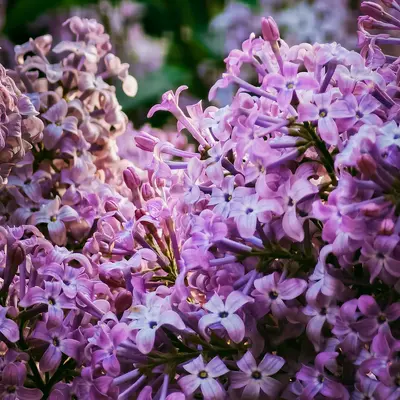
The classic fragrant lilac that defines spring with its intoxicating perfume and abundant blooms. These old-fashioned shrubs produce dense clusters of tubular flowers in shades of purple, pink, white, or lavender that attract butterflies and hummingbirds. A must-have for creating nostalgic cottage gardens and cutting gardens.
Sun
Full sun to partial shade
Zones
3–7
USDA hardiness
Height
8-16 feet
Planting Timeline
Showing dates for French Lilac in USDA Zone 7
All Zone 7 shrub →Zone Map
Click a state to update dates
French Lilac · Zones 3–7
Growing Details
Complete Growing Guide
French Lilac thrives in full sun with at least six hours of direct light daily, which intensifies blooming and fragrance—a key difference from shade-tolerant shrubs. Plant in spring or fall in well-draining soil with neutral to slightly alkaline pH, as acidic conditions reduce vigor. This cultivar flowers on old wood, so prune immediately after blooming in early summer rather than fall or spring, or you'll sacrifice next year's flowers. French Lilac is susceptible to powdery mildew in humid climates; ensure good air circulation and avoid overhead watering. The shrubs can become leggy over time, so a practical strategy is to selectively cut one-third of the oldest stems annually to promote dense, rejuvenated growth from the base. Deadhead spent flowers promptly to redirect energy into stronger stems rather than seed production.
Light: Full sun (6 or more hours of direct sunlight a day), Partial Shade (Direct sunlight only part of the day, 2-6 hours). Soil: Clay, High Organic Matter, Loam (Silt). Soil pH: Alkaline (>8.0), Neutral (6.0-8.0). Drainage: Good Drainage, Moist. Height: 8 ft. 0 in. - 16 ft. 0 in.. Spread: 6 ft. 0 in. - 12 ft. 0 in.. Spacing: 6-feet-12 feet. Growth rate: Medium. Maintenance: Low. Propagation: Stem Cutting. Regions: Mountains.
Harvesting
French Lilac flowers reach peak harvest readiness when the flower clusters display fully opened tubular blooms throughout the dense panicles with rich, saturated color—deep purple, pink, white, or lavender depending on variety—and the individual florets feel slightly firm yet supple to the touch. Harvest in the early morning after dew dries but before heat intensifies fragrance volatility. Unlike single-harvest plants, French Lilac supports continuous cutting throughout its blooming season, which encourages branching and extends flowering. Cut stems at a 45-degree angle just above leaf nodes, removing no more than one-third of the plant at once. A critical timing tip: harvest when approximately seventy percent of florets on each cluster have opened, as remaining buds will continue opening in the vase, extending the arrangement's lifespan.
The fruit is a smooth, flattened dehiscent capsule (3/4"), borne in large panicles at the terminal tips of branches. The capsules are initially green but mature to brown and are divided into 2 segments. There are 4 seeds per capsule.
Color: Brown/Copper. Type: Capsule. Length: < 1 inch. Width: < 1 inch.
Edibility: Flowers can be eaten raw or folded into a batter and fried to make fritters.
Storage & Preservation
French Lilac flowers are best displayed fresh immediately after cutting. Store cut stems in a vase with cool water in a cool location, away from direct heat and ripening fruit. Maintain water temperature between 65-72°F and change water every 2-3 days. Fresh cut lilacs last 7-10 days indoors. For preservation, try air-drying flower clusters upside-down in bundles for 2-3 weeks in a warm, dark, well-ventilated space—dried blooms last months. Alternatively, press individual florets between parchment paper under heavy books for botanical crafts, or steep dried flowers to make fragrant potpourri.
History & Origin
The origins of French Lilac are rooted in the broader history of Syringa vulgaris, a species native to southeastern Europe that became extensively cultivated and hybridized throughout France and Europe during the 18th and 19th centuries. While "French Lilac" is not attributed to a specific documented breeder or year, the variety emerged from the European horticultural tradition of lilac selection and refinement, particularly within French and Belgian nurseries that became renowned for developing the lavish double and single-flowered cultivars that characterize modern ornamental lilacs. The name reflects the strong association between lilacs and French garden culture rather than a precise breeding lineage, representing instead a class of classic cultivars that defined the Victorian and cottage garden aesthetic.
Origin: Balkan Peninsula
Advantages
- +Produces intoxicating fragrance that defines spring gardens nationwide
- +Abundant dense flower clusters in multiple colors attract pollinators
- +Easy to grow with minimal care once established
- +Excellent for cutting gardens and creating nostalgic cottage landscapes
- +Old-fashioned charm adds timeless appeal to any property
Considerations
- -Vulnerable to powdery mildew, bacterial blight, and verticillium wilt
- -Lilac borers and scale insects frequently infest branches and stems
- -Requires well-draining soil and struggles in poor drainage conditions
- -Needs annual pruning after flowering to maintain shape and vigor
Companion Plants
Lavender, rosemary, and catmint all pair well with French lilac because they share the same basic requirements — full sun, good drainage, and a soil pH in the 6.5–7.5 range — so you're not fighting competing needs. Alliums (Allium giganteum or A. 'Purple Sensation' are the ones worth planting) bloom just as lilac finishes, extending the spring display by two to three weeks and drawing in predatory wasps that knock back aphid populations. Daffodil bulbs tucked in at the drip line pull double duty: they flower before the lilac leafs out, and deer and rodents won't touch them, which incidentally protects the root zone. Clematis can be trained up through the outer branches for summer color, borrowing the lilac as a living support without crowding the roots.
Black walnut (Juglans nigra) is the one plant that can genuinely wreck a lilac. The juglone it leaches through its roots and decaying leaf litter accumulates in the soil and disrupts lilac's ability to take up water and nutrients — symptoms look like slow decline rather than any single disease, which makes it easy to misdiagnose. Large maples and eucalyptus are a different problem: both are shallow, aggressive rooters that will out-compete a lilac for water within 10–15 feet, grinding bloom quality down year after year.
Plant Together
Lavender
Shares similar soil preferences and attracts beneficial pollinators while repelling pests
Rosemary
Thrives in similar well-drained conditions and deters aphids and other soft-bodied insects
Catmint
Attracts beneficial insects and repels rodents that may damage lilac bark
Allium
Natural pest deterrent that protects lilac roots from soil-borne pests and nematodes
Clematis
Uses lilac as natural support structure while adding vertical interest without competing for nutrients
Hostas
Thrives in partial shade cast by mature lilacs and helps retain soil moisture
Daffodils
Blooms before lilac leafs out, repels rodents, and doesn't compete for summer resources
Peonies
Complementary bloom times and similar soil requirements create attractive garden combinations
Keep Apart
Black Walnut
Produces juglone toxin that inhibits growth and can cause yellowing and decline in lilacs
Large Maple Trees
Creates excessive shade and competes aggressively for water and nutrients
Eucalyptus
Allelopathic properties suppress growth of nearby plants including lilacs
Pests & Disease Resistance
Resistance
Susceptible to powdery mildew, bacterial blight
Common Pests
Lilac borer, scale insects, leaf miners
Diseases
Powdery mildew, bacterial blight, verticillium wilt
Troubleshooting French Lilac
What you'll see, why it happens, and what to do about it.
White powdery coating on leaves and young stems, usually appearing mid-summer after the bloom is long done
Likely Causes
- Powdery mildew (Erysiphe syringae) — a fungal pathogen that thrives in warm days and cool nights with poor airflow
- Planting too close to walls or other shrubs, cutting off air circulation
What to Do
- 1.Thin out crossing interior branches to open up the canopy — this does more than any spray
- 2.Apply a potassium bicarbonate spray (follow label rates) at first sign; it won't cure existing infection but slows spread
- 3.Don't panic — powdery mildew on lilacs is cosmetic after bloom and rarely kills an established plant
Sawdust-like frass at the base of main stems, plus wilting or dieback on individual canes in late spring
Likely Causes
- Lilac borer (Podosesia syringae) — larva bores into the woody stem just below the bark, cutting off water and nutrient flow to that cane
- Stressed or newly transplanted shrubs are hit harder than established ones
What to Do
- 1.Cut the affected cane back to healthy wood — you'll see the borer tunnel in cross-section; remove and dispose of the cane, don't compost it
- 2.Keep the base of the plant free of dead wood, which is where adults prefer to lay eggs
- 3.Spray the lower trunk with permethrin in early May when adult moths are active, before eggs hatch — NC State Extension lists this as the effective window
Brown or black water-soaked spots on new leaves and shoots in spring, sometimes with shoot tips dying back in a shepherd's-crook shape
Likely Causes
- Bacterial blight (Pseudomonas syringae) — infects during cool, wet spring weather, often right after the plant leafs out
- Overhead watering or prolonged rain that keeps foliage wet for 12+ hours
What to Do
- 1.Prune out all blighted shoots at least 6 inches below the visible damage, and sterilize your pruners with 70% isopropyl between cuts
- 2.Switch to drip irrigation or water at the base only — keeping leaves dry is the main control you have
- 3.Hold off on nitrogen fertilizer in spring; the soft flush of growth it produces is exactly what Pseudomonas hits hardest
Serpentine pale tan or blotchy mines winding through the leaf surface, visible when you hold a leaf up to light
Likely Causes
- Lilac leaf miner (Caloptilia syringella) — the larva tunnels between the upper and lower leaf surfaces, feeding as it goes
- Second-generation feeding in late summer can cause leaves to roll and brown at the edges
What to Do
- 1.Pick off and trash heavily mined leaves — don't compost them, as pupae can overwinter in leaf litter
- 2.Apply spinosad or neem oil when you first notice adult moths in early spring (before eggs hatch); this is far more effective than treating after mining starts
- 3.Rake and dispose of fallen leaves in autumn to break the overwintering cycle