Kolibri
Brassica oleracea var. gongylodes
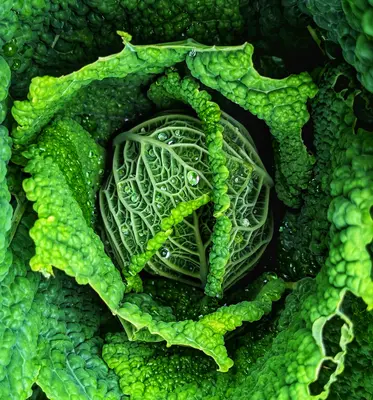
3" bulbs with uniform deep purple skin and nearly fiberless, crisp, white flesh.
Harvest
45d
Days to harvest
Sun
Full sun to partial shade
Zones
6–9
USDA hardiness
Height
10-24 inches
Planting Timeline
Showing dates for Kolibri in USDA Zone 7
All Zone 7 brassica →Zone Map
Click a state to update dates
Kolibri · Zones 6–9
Growing Details
Succession Planting
In zone 7, start seeds indoors in late February or early March, transplant out in April, and plan your first harvest around 45 days after transplant — late May into early June. For a fall run, direct sow or start transplants in late July through August so the bulbs are sizing up in September and October when temperatures drop back into the 50s and 60s. Kohlrabi doesn't bolt as sharply as spinach or lettuce, but sustained heat above 80°F pushes the bulb toward a pithy, tough texture rather than clean sweetness — so the summer gap is real, and trying to bridge June through August isn't worth it.
Sow every 2–3 weeks within each season's window to spread out the harvest. The fall planting is generally more forgiving than spring in warmer zones; bulbs that mature in cooling weather hold in the ground longer before turning woody, and you'll get a noticeably better flavor out of them.
Complete Growing Guide
3" bulbs with uniform deep purple skin and nearly fiberless, crisp, white flesh. According to Johnny's Selected Seeds, Kolibri is 45 days to maturity, annual, hybrid (f1). Notable features: Organic Seeds, Plants, and Supplies.
Light: Full sun (6 or more hours of direct sunlight a day), Partial Shade (Direct sunlight only part of the day, 2-6 hours). Soil: Clay, Loam (Silt), Sand. Soil pH: Acid (<6.0), Neutral (6.0-8.0). Drainage: Good Drainage, Moist. Height: 0 ft. 10 in. - 2 ft. 0 in. Spread: 1 ft. 0 in. - 2 ft. 0 in. Spacing: 12 inches-3 feet. Growth rate: Medium. Maintenance: Medium. Propagation: Seed, Stem Cutting. Regions: Coastal, Mountains, Piedmont.
Harvesting
Kolibri reaches harvest at 45 days from sowing per Johnny's Selected Seeds. Expect 3" at peak. As an annual, harvest continues until frost ends the season.
The fruits dry and split when ripe.
Color: Brown/Copper, Green. Type: Siliqua. Length: > 3 inches.
Garden value: Edible
Harvest time: Fall, Summer
Edibility: The foliage is edible raw or cooked but when cooked can emit an unpleasant odor.
Storage & Preservation
Harvest Kolibri kohlrabi at 45 days when bulbs reach 2–3 inches in diameter for tender, sweet flesh. Store freshly harvested bulbs in a perforated plastic bag in the refrigerator at 32–40°F with 90–95% humidity; they'll keep for 2–3 weeks. Remove and compost any yellowed or damaged leaves before storage to extend shelf life.
Freezing works best: peel, cube, blanch for 3 minutes, cool in ice water, then freeze in airtight containers for up to 8 months. Kohlrabi also ferments well—cut into batons, pack with salt (2% by weight), and let sit in a cool place for 3–4 weeks for a crisp, tangy condiment. Raw slicing and dehydrating at 140°F produces crispy chips that store several months in airtight containers.
Kolibri's tender skin requires gentle handling immediately after harvest; avoid stacking heavily to prevent bruising, which accelerates deterioration.
History & Origin
Kolibri is an F1 hybrid developed through controlled cross-pollination. Listed in the Johnny's Selected Seeds catalog.
Origin: W. Europe
Advantages
- +Compact 3-inch bulbs perfect for small gardens and container growing
- +Nearly fiberless white flesh delivers exceptionally crisp, tender eating experience
- +Deep purple skin provides striking visual appeal for market or table
- +Quick 45-day maturity allows multiple plantings in single growing season
Considerations
- -Purple varieties typically more susceptible to clubroot fungal disease than green types
- -Requires consistent soil moisture; drought stress causes bulbs to become woody and bitter
- -Limited cold storage life compared to standard kohlrabi varieties
- -Smaller bulb size reduces total yield per square foot versus larger cultivars
Companion Plants
Onions and chives are the most practical companions for Kolibri. Alliums emit sulfur compounds that appear to disrupt the host-finding behavior of aphids and cabbage moths — both of which locate brassicas by scent. As NC State Extension's IPM guidance explains, mixing unrelated plant families dilutes the attractive odor of a preferred host and can slow an insect's progress through a planting. At 6–8 inch spacing, Kolibri is already tight in the row, so chives along the bed edge are easier to fit than full-size onions dropped mid-row.
Nasturtiums are worth planting nearby as an aphid trap crop — the insects tend to colonize them before moving to the kohlrabi, which at minimum gives you a few days' warning. Marigolds come up in every brassica companion list, and there is decent evidence that French marigolds (Tagetes patula) suppress root-knot nematodes over a full growing season, though NC State Extension is candid that most insect-repellent claims for marigolds haven't held up to testing. They don't compete hard for water and fill gaps between rows without causing problems, so there's no real cost to including them.
Tomatoes and pole beans are the companions to skip. Tomatoes want the same consistent 1–1.5 inches of water per week that Kolibri does, and they're aggressive enough feeders to pull nutrients away from a shallow-rooted brassica sharing the same bed. Pole beans grow to 6–8 feet and shade hard — at 10–24 inches tall, Kolibri can't compete for light, and the yield loss isn't worth whatever nitrogen the beans fix.
Plant Together
Dill
Attracts beneficial insects like parasitic wasps that control cabbage worms
Onions
Repel cabbage root fly and flea beetles with their strong sulfur compounds
Nasturtiums
Act as trap crop for aphids and flea beetles, drawing pests away from brassicas
Marigolds
Repel whiteflies and aphids while attracting beneficial predatory insects
Spinach
Provides ground cover and doesn't compete for nutrients, shares similar growing conditions
Lettuce
Grows well in partial shade of brassicas and helps maximize garden space
Chives
Repel aphids and improve overall plant health through natural pest deterrence
Carrots
Help break up soil for brassica roots and don't compete for the same nutrients
Keep Apart
Tomatoes
Compete for similar nutrients and can stunt brassica growth
Strawberries
Can inhibit brassica growth and attract slugs that also damage cabbage family plants
Pole beans
May inhibit brassica growth and create too much shade for optimal development
Nutrition Facts
Per 100g serving. % Daily Value based on 2,000 calorie diet. Source: USDA FoodData Central (FDC #747447)
Pests & Disease Resistance
Common Pests
Cabbage moths, flea beetles, aphids
Diseases
Clubroot, black rot, white rust
Troubleshooting Kolibri
What you'll see, why it happens, and what to do about it.
Small, irregular holes punched through leaves — especially on young transplants or seedlings — often appearing overnight
Likely Causes
- Flea beetles (Phyllotreta spp.) — tiny, jumping beetles that chew shot-hole damage; worst in warm, dry spells
- Cabbage moth larvae (Pieris rapae) can cause similar surface feeding if the holes are larger and ragged
What to Do
- 1.Cover transplants immediately with row cover (Agribon AG-19 or similar) at planting — flea beetles hit hardest in the first 2–3 weeks
- 2.For active infestations, dust with kaolin clay or apply spinosad; repeat after rain
- 3.Once plants are 6–8 inches tall and putting on size quickly, flea beetle pressure usually drops to a tolerable level without further treatment
Yellow lesions starting at leaf margins — sometimes V-shaped, sometimes not — with dark discoloration along the veins underneath; edges die back inward over several days
Likely Causes
- Black rot, caused by the bacterium Xanthomonas campestris — seed-borne and spread by rain splash and contaminated tools
- NC State Extension's diagnostic guidance notes the classic V-shaped lesion isn't always present, so don't rule out black rot based on shape alone — the vein darkening is the more reliable tell
What to Do
- 1.Pull and bag affected plants immediately — don't compost them; Xanthomonas campestris moves fast through a brassica bed
- 2.Wipe tools with a 10% bleach solution between plants before moving on
- 3.Rotate this bed out of all brassicas — cabbage, broccoli, collards, mustard — for at least 3 years; NC State Extension recommends avoiding the same family in one spot more often than once every 3 years
Frequently Asked Questions
How long does Kolibri Brassica take to harvest?▼
Can you grow Kolibri Brassica in containers?▼
What does Kolibri Brassica taste like?▼
When should I plant Kolibri Brassica?▼
Zone-by-Zone Planting Calendar
| Zone | Indoor Start | Transplant | Direct Sow | Harvest |
|---|---|---|---|---|
| Zone 1 | April – May | June – July | June – July | July – September |
| Zone 2 | April – May | June – July | May – July | July – September |
| Zone 11 | January – January | January – February | January – February | February – December |
| Zone 12 | January – January | January – February | January – February | February – December |
| Zone 13 | January – January | January – February | January – February | February – December |
| Zone 3 | March – April | May – June | May – June | June – October |
| Zone 4 | March – April | May – June | April – June | June – October |
| Zone 5 | February – March | April – May | April – May | May – November |
| Zone 6 | February – March | April – May | April – May | May – November |
| Zone 7 | February – March | April – May | March – May | May – November |
| Zone 8 | January – February | March – April | March – April | April – December |
| Zone 9 | January – January | February – March | February – March | March – December |
| Zone 10 | January – January | February – March | January – March | March – December |
Growing Guides from Wind River Greens
Sources & References
External authority sources used in compiling this guide.
- BreederJohnny's Selected Seeds
- USDAUSDA FoodData Central
See the Methodology page for how this data is sourced, what's AI-assisted, and known limitations.