Hollow Joe-Pye Weed
Eutrochium fistulosum
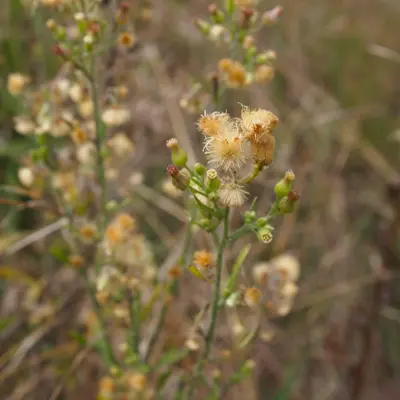
Hollow Joe-Pye Weed (Eutrochium fistulosum) is a perennial native wildflower. Hardy in USDA zones 4 to 8.
Sun
Full sun to partial shade
Zones
4–8
USDA hardiness
Height
4-8 feet
Planting Timeline
Showing dates for Hollow Joe-Pye Weed in USDA Zone 7
All Zone 7 native-wildflower →Zone Map
Click a state to update dates
Hollow Joe-Pye Weed · Zones 4–8
Growing Details
Complete Growing Guide
Light: Full sun (6 or more hours of direct sunlight a day), Partial Shade (Direct sunlight only part of the day, 2-6 hours). Soil: Clay, High Organic Matter, Loam (Silt), Sand, Shallow Rocky. Soil pH: Neutral (6.0-8.0). Drainage: Moist, Occasionally Wet. Height: 4 ft. 0 in. - 8 ft. 0 in.. Spread: 2 ft. 0 in. - 4 ft. 0 in.. Spacing: 3 feet-6 feet. Maintenance: Low. Propagation: Division, Seed, Stem Cutting. Regions: Coastal, Mountains, Piedmont.
Harvesting
Flowers give way to attractive seed heads lasting well into winter. Small dry seeds with hair-like bristles are dispersed by the wind. Displays from August to November
Color: Black. Type: Achene.
Harvest time: Fall
Storage & Preservation
Hollow Joe-Pye Weed is maintained in the garden rather than stored for consumption. For cut flowers in arrangements, place stems immediately in cool water after cutting; fresh arrangements last 7-10 days in a cool location away from direct sun. For dried flowers, hang bundles upside-down in a warm, well-ventilated room (65-75°F with low humidity) for 2-3 weeks until completely dry and papery. Store dried stems in a cool, dark place in cardboard boxes—they retain color and structure for months to years. Allow seed heads to remain on plants through winter for wildlife food and ornamental interest, then cut back stems in early spring before new growth emerges.
History & Origin
Eutrochium fistulosum, commonly called Hollow Joe-Pye Weed, is a native North American perennial with origins throughout the eastern United States, particularly in wetland and woodland edge habitats from New England to the Midwest. The common name "Joe-Pye" derives from a legendary Colonial healer, though documentation of this figure remains anecdotal. The plant was renamed from its former genus Eupatorium to Eutrochium in 2016 based on molecular phylogenetic studies. Unlike many ornamental plants, Hollow Joe-Pye Weed was never formally bred or introduced by commercial seed companies; instead, it entered cultivation through the native plant movement's growing interest in ecologically authentic landscaping. Its widespread availability today reflects recognition of its ecological value and ornamental qualities rather than deliberate horticultural development.
Origin: Eastern North America
Advantages
- +Tall hollow stems attract beneficial pollinators and butterflies throughout summer
- +Thrives in wet or boggy areas where most garden plants struggle
- +Produces attractive dusty-pink flower clusters blooming mid to late summer
- +Extremely cold hardy in zones 4-8 requiring minimal winter protection
- +Low maintenance perennial spreading naturally once established in suitable sites
Considerations
- -Susceptible to powdery mildew in humid conditions without good air circulation
- -Requires consistently moist soil becoming weak and leggy when too dry
- -Tall growth up to eight feet needs staking or support structures
- -Dense foliage and rhizomatous roots can aggressively outcompete neighboring plants
Companion Plants
New England Aster, Wild Bergamot, and Purple Coneflower bloom in overlapping windows — late summer through fall — and together they keep pollinators, especially native bees and migrating monarchs, cycling through the same area for weeks without a gap. Swamp Milkweed pairs well because it shares Joe-Pye's preference for consistently moist soil at a neutral to slightly alkaline pH (6.0–8.0), so you're not managing two different water regimes in the same bed. Ironweed and Cardinal Flower round out a wet-meadow planting that functions as a real system, not just a row of unrelated plants.
Black Walnut is a hard no — juglone, the allelopathic compound concentrated in its roots and leaf litter, suppresses many native forbs, and Joe-Pye shows no reliable tolerance to it. Crown Vetch and Autumn Olive are a separate category of problem: both are aggressive invasives that can crowd out an established Joe-Pye planting within a season or two by sheer lateral spread. Clear them before you put this plant in the ground.
Plant Together
New England Aster
Blooms sequentially extending pollinator season, shares similar moisture and soil requirements
Wild Bergamot
Attracts beneficial insects and pollinators, both thrive in similar prairie conditions
Purple Coneflower
Complementary bloom times, both support native butterflies and beneficial insects
Swamp Milkweed
Shared preference for moist soils, creates habitat for monarch butterflies and other pollinators
Cardinal Flower
Thrives in similar moist conditions, attracts hummingbirds and extends pollinator diversity
Ironweed
Similar height and growing conditions, provides late-season nectar for butterflies and bees
Great Blue Lobelia
Compatible moisture requirements, adds complementary blue flowers to the native garden palette
Wild Ginger
Serves as living mulch beneath tall Joe-Pye Weed, both prefer partial shade and moist soil
Keep Apart
Black Walnut
Produces juglone which inhibits growth of many native wildflowers including Joe-Pye Weed
Crown Vetch
Aggressive invasive ground cover that can outcompete and smother native wildflowers
Autumn Olive
Invasive shrub that creates dense shade and competes for nutrients, suppressing native plants
Troubleshooting Hollow Joe-Pye Weed
What you'll see, why it happens, and what to do about it.
Powdery white coating on leaves by midsummer, starting on upper leaf surfaces
Likely Causes
- Powdery mildew (Erysiphe cichoracearum or similar) — common on Joe-Pye in humid summers with poor airflow
- Crowded planting at less than 18-inch spacing
What to Do
- 1.Cut out the worst-affected stems at the base and dispose of them — don't compost
- 2.Thin surrounding plants to open up airflow; this one gets 4-8 feet tall and needs room
- 3.A diluted neem oil spray (2 tsp per quart of water) applied in the morning can slow spread, but won't reverse damage already done
Stems flopping or sprawling by July before the plant blooms
Likely Causes
- Insufficient sun — fewer than 4 hours of direct light causes weak, leggy stems
- Overly rich or heavily amended soil pushing fast, soft growth
What to Do
- 1.Cut stems back by half in late May or early June (the 'Chelsea chop') to encourage branching and sturdier regrowth
- 2.Move or transplant to a spot with at least 4-6 hours of direct sun — this plant handles partial shade but performs better in full sun
- 3.Skip the nitrogen fertilizer; Eutrochium fistulosum does fine in average, unamended soil
Wilting or yellowing foliage despite regular watering, starting at the base of the plant
Likely Causes
- Crown rot or root rot from waterlogged, poorly drained soil — this plant wants consistent moisture, not standing water
- Papaipema stem borers, which tunnel into Joe-Pye's hollow stems and cut off water transport from the inside
What to Do
- 1.Check the base of the stem for small entry holes and frass — if you find borer damage, cut the stem below the entry point and destroy it
- 2.If the crown is mushy at the soil line, dig the plant, cut away rotted tissue, and replant in a spot with better drainage
- 3.Amend heavy clay beds with coarse compost before planting, or raise the bed 4-6 inches to improve drainage
Frequently Asked Questions
How tall does Hollow Joe-Pye Weed get?▼
When does Hollow Joe-Pye Weed bloom?▼
Is Hollow Joe-Pye Weed easy to grow?▼
Can you grow Hollow Joe-Pye Weed in containers?▼
Should I deadhead Hollow Joe-Pye Weed flowers?▼
What's the difference between Hollow Joe-Pye Weed and Spotted Joe-Pye Weed?▼
Zone-by-Zone Planting Calendar
Growing Guides from Wind River Greens
Sources & References
External authority sources used in compiling this guide.
- ExtensionNC State Extension
See the Methodology page for how this data is sourced, what's AI-assisted, and known limitations.