Witch Hazel
Hamamelis virginiana
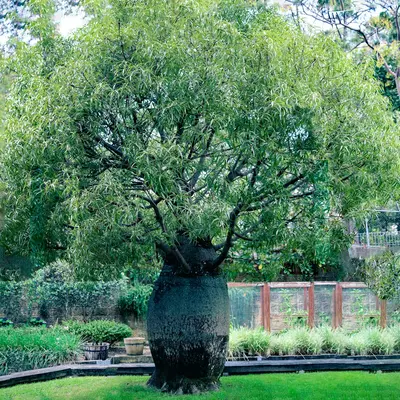
Nature's grand finale that saves its spectacular show for when all other shrubs have gone dormant. This native treasure produces clusters of fragrant, spidery yellow flowers in late fall and early winter, often while snow is on the ground. Beyond its unique blooming time, witch hazel offers excellent yellow fall color and interesting architectural branching that adds winter interest to the garden.
Sun
Full sun to partial shade
Zones
3–9
USDA hardiness
Height
15-30 feet
Planting Timeline
Showing dates for Witch Hazel in USDA Zone 7
All Zone 7 shrub →Zone Map
Click a state to update dates
Witch Hazel · Zones 3–9
Growing Details
Complete Growing Guide
Light: Full sun (6 or more hours of direct sunlight a day), Partial Shade (Direct sunlight only part of the day, 2-6 hours). Soil: Clay, High Organic Matter. Soil pH: Acid (<6.0). Drainage: Good Drainage, Moist, Occasional Flooding. Height: 15 ft. 0 in. - 30 ft. 0 in.. Spread: 15 ft. 0 in. - 20 ft. 0 in.. Spacing: 12-24 feet. Growth rate: Medium. Maintenance: Low. Propagation: Seed. Regions: Coastal, Mountains, Piedmont.
Harvesting
Seed capsules initially green, mature to light brown and become woody with age. Capsule contain two black seeds. A two-valved dehiscent capsule. Displays from October to November.
Color: Brown/Copper, Green. Type: Capsule. Length: < 1 inch. Width: < 1 inch.
Garden value: Edible
Harvest time: Fall
Edibility: Seeds
Storage & Preservation
Witch hazel flowers and branches are best enjoyed fresh immediately after cutting. Store cut stems in a cool location (60-65°F) in water, changing water every 2-3 days for a 7-10 day vase life. Preservation methods include: (1) pressing delicate flowers between pages for dried arrangements lasting months, (2) air-drying entire branches in a cool, dark space for decorative winter displays, and (3) creating fragrant dried flower arrangements by hanging upside-down bunches. Avoid warm, dry indoor heating vents to maintain flower quality and fragrance.
History & Origin
Hamamelis virginiana, commonly known as witch hazel, is a native North American shrub with roots deeply embedded in colonial folk tradition rather than deliberate horticultural breeding. European settlers adopted the plant from Indigenous peoples, who used it medicinally and valued its distinctive late-season blooms. The species name virginiana reflects its historical association with Virginia and the eastern woodlands where it naturally occurs. Unlike many ornamental shrubs, witch hazel entered gardens through discovery and appreciation of wild specimens rather than formal breeding programs. Its documented use in American landscapes extends back centuries, though specific cultivar development and commercial introduction records remain sparse, making it primarily a heritage plant shaped by natural selection and traditional knowledge.
Origin: Eastern North America
Advantages
- +Attracts: Moths, Pollinators, Small Mammals, Songbirds
- +Edible: Seeds
- +Low maintenance
Companion Plants
Witch hazel does best in acidic soil (pH 4.5–6.5), so pairing it with azaleas, rhododendrons, and Japanese maples means everyone's drawing from the same chemistry — no one's adjusting for the other. Ferns, hostas, wild ginger, and heuchera are practical understory fills: the canopy on a mature witch hazel runs 15–20 feet wide, so that shade is happening whether you plant for it or not. Black walnut (Juglans nigra) is the one to stay well clear of — it leaches juglone from its root system and will stunt or kill broadleaf shrubs in the surrounding zone. Pine roots compete aggressively for moisture and pull soil pH lower than even this acid-lover prefers.
Plant Together
Azalea
Shares similar acidic soil preferences and partial shade requirements
Rhododendron
Compatible acid-loving shrub that thrives in similar woodland conditions
Ferns
Natural understory companions that appreciate similar moist, shaded conditions
Hostas
Shade-tolerant perennials that complement witch hazel's woodland garden aesthetic
Japanese Maple
Compatible understory tree with similar soil and moisture requirements
Astilbe
Moisture-loving perennial that thrives in partial shade beneath witch hazel
Wild Ginger
Native groundcover that naturalizes well in witch hazel's preferred habitat
Heuchera
Provides attractive foliage contrast and tolerates similar growing conditions
Keep Apart
Black Walnut
Produces juglone toxin that can inhibit growth and damage witch hazel
Pine Trees
Creates overly acidic soil conditions and competes aggressively for nutrients
Mint
Invasive spreading habit can overwhelm and compete with witch hazel's root system
Pests & Disease Resistance
Resistance
Excellent disease resistance, native plant vigor
Common Pests
Generally pest-free, occasional aphids
Diseases
Very disease resistant, occasional leaf spot
Troubleshooting Witch Hazel
What you'll see, why it happens, and what to do about it.
Leaves developing irregular brown or tan spots with darker borders, usually showing up mid to late summer
Likely Causes
- Leaf spot fungi (Phyllosticta or Cercospora spp.) — common in humid conditions with poor airflow
- Overhead watering that keeps foliage wet for extended periods
What to Do
- 1.Rake up and dispose of fallen leaves in autumn — don't compost them, the spores overwinter in debris
- 2.Water at the base of the shrub, not overhead, especially in humid stretches
- 3.If the shrub is heavily shaded, selectively prune surrounding branches to open up airflow
Clusters of small soft-bodied insects on new growth, tips curling or looking slightly stunted in spring
Likely Causes
- Witch hazel cone gall aphid (Hormaphis hamamelidis) — overwinters as eggs on the bark and hatches when new growth emerges
- Ants farming aphid colonies, which shield them from predatory insects
What to Do
- 1.Knock aphids off with a firm spray from a garden hose — repeat every 2-3 days for a week or two
- 2.If the infestation is heavy and persistent, apply insecticidal soap directly to the colonies; skip broad-spectrum sprays that will also kill the parasitic wasps doing cleanup naturally
- 3.Check for ant trails up the trunk — a sticky barrier like Tanglefoot around the base stops ants from running interference for the aphids
Frequently Asked Questions
When should I plant witch hazel shrubs?▼
Can witch hazel grow in containers?▼
Is witch hazel good for beginners?▼
How long does it take witch hazel to flower?▼
Why does witch hazel bloom in winter?▼
What is witch hazel used for?▼
Zone-by-Zone Planting Calendar
Growing Guides from Wind River Greens
Sources & References
External authority sources used in compiling this guide.
- ExtensionNC State Extension
See the Methodology page for how this data is sourced, what's AI-assisted, and known limitations.