Wild Bergamot
Monarda fistulosa
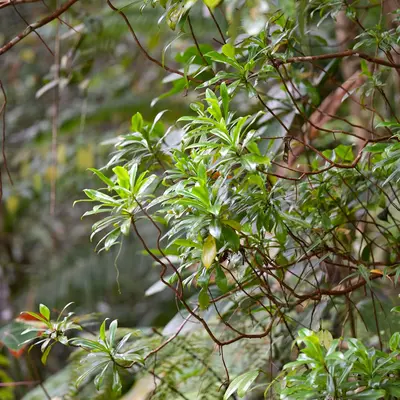
A fragrant native wildflower that attracts butterflies, bees, and hummingbirds with its clusters of tubular lavender-pink blooms. This hardy perennial spreads naturally to form beautiful colonies and has been used traditionally for tea and medicinal purposes. Its minty fragrance and long blooming period make it a favorite for pollinator gardens and prairie restorations.
Sun
Full sun to partial shade
Zones
3–9
USDA hardiness
Height
2-4 feet
Planting Timeline
Showing dates for Wild Bergamot in USDA Zone 7
All Zone 7 native-wildflower →Zone Map
Click a state to update dates
Wild Bergamot · Zones 3–9
Growing Details
Complete Growing Guide
Light: Full sun (6 or more hours of direct sunlight a day), Partial Shade (Direct sunlight only part of the day, 2-6 hours). Soil: Clay, Shallow Rocky. Drainage: Good Drainage, Moist, Occasionally Dry. Height: 2 ft. 0 in. - 4 ft. 0 in.. Spread: 2 ft. 0 in. - 3 ft. 0 in.. Maintenance: Medium. Propagation: Seed. Regions: Mountains, Piedmont.
Harvesting
Displays from August to October.
Harvest time: Fall, Summer
Storage & Preservation
Fresh wild bergamot blooms and leaves are best stored in a cool, dry place or refrigerated in a loosely sealed container for up to a week. For longer storage, hang-dry the entire plant in bundles in a warm, well-ventilated area (2-3 weeks until crispy), then store in airtight containers away from light. Infuse into honey or make herbal tea blends by drying flowers and leaves separately. Alternatively, freeze fresh sprigs in ice cubes for beverages, or create a tincture using dried material and alcohol for medicinal use.
History & Origin
Origin: Canada to North East Mexico
Advantages
- +Attracts: Butterflies, Hummingbirds, Moths, Pollinators, Specialized Bees
Companion Plants
Purple Coneflower (Echinacea purpurea) and Black-Eyed Susan (Rudbeckia hirta) are the two I'd pair with Wild Bergamot before anything else. All three bloom in overlapping windows through July and August, they share similar soil pH tolerances (6.0–7.5), and together they pull a longer parade of native bees and beneficial wasps than any one of them does alone. Little Bluestem Grass and Prairie Dropseed work well at the edges — their fine, shallow root systems don't compete at the 18–24 inch spacing, and they fill gaps between Monarda clumps without shading them out. In our zone 7 Georgia gardens, Goldenrod makes a strong late-season addition that keeps the pollinator traffic going well into October after the Monarda has finished.
Black Walnut is the one to plant nowhere near it — juglone, the chemical walnut roots and husks leach into the soil, suppresses a wide range of herbaceous plants, and Monarda fistulosa is not tolerant. Fennel is a subtler problem: it releases allelopathic compounds that slow germination and root development in neighboring plants, and its dense taproot crowds anything within 2 feet. Both belong on the opposite end of the garden.
Plant Together
Purple Coneflower
Attracts similar pollinators and both thrive in same soil conditions and sun exposure
Black-Eyed Susan
Complementary bloom times extend pollinator season and both prefer well-drained soils
Little Bluestem Grass
Provides structural support and creates favorable microclimate while sharing similar water needs
Wild Lupine
Fixes nitrogen in soil benefiting bergamot growth and attracts different pollinator species
Nodding Onion
Natural pest deterrent that repels harmful insects while complementing bergamot's pollinator attraction
Prairie Dropseed
Deep root system improves soil drainage and structure beneficial for bergamot's shallow roots
Wild Ginger
Provides ground cover reducing weeds and retaining soil moisture for bergamot
Goldenrod
Attracts beneficial insects and predators that control pests harmful to bergamot
Keep Apart
Black Walnut
Produces juglone toxin that inhibits growth and can kill sensitive plants like bergamot
Fennel
Allelopathic compounds inhibit germination and growth of most neighboring plants
Tree of Heaven
Aggressive invasive that releases growth-inhibiting chemicals and outcompetes native plants
Autumn Olive
Invasive shrub that creates dense shade and depletes soil nutrients needed by bergamot
Pests & Disease Resistance
Resistance
Good disease resistance, can get powdery mildew in crowded conditions
Common Pests
Spider mites, aphids, generally pest-resistant
Diseases
Powdery mildew, rust in humid conditions
Troubleshooting Wild Bergamot
What you'll see, why it happens, and what to do about it.
White powdery coating on leaves and stems, spreading fast in mid-to-late summer
Likely Causes
- Powdery mildew (Erysiphe monardae) — a fungal pathogen that thrives in warm days, cool nights, and poor airflow
- Overcrowded planting at less than 18 inches apart, which traps humidity around the foliage
What to Do
- 1.Thin clumps aggressively — cut out the center stems to open up airflow; Monarda actually benefits from this every 2-3 years anyway
- 2.Spray affected leaves with a diluted neem oil solution (2 tbsp per gallon of water) every 7 days until symptoms stop spreading
- 3.Don't overhead-water; switch to drip or water at the base in the morning so foliage dries before nightfall
Orange or rust-colored pustules on the undersides of leaves, with yellowing on the upper surface
Likely Causes
- Rust (Puccinia menthae) — fungal spores that spread by wind and splash, more common after a wet spring
- Dense planting in a low-lying spot with poor drainage
What to Do
- 1.Strip and trash (don't compost) any leaves showing pustules as soon as you spot them
- 2.If more than a third of the plant is affected, cut the whole clump back to 6 inches — it will regrow
- 3.Move divisions to a higher, better-drained spot next fall if rust recurs two years running
Leaves stippled with tiny pale dots, fine webbing on the undersides of leaves in dry spells
Likely Causes
- Two-spotted spider mites (Tetranychus urticae) — they spike in hot, dry weather above 90°F when plants are stressed
- Inconsistent watering — mites colonize faster on drought-stressed plants
What to Do
- 1.Knock mites off with a sharp spray of water from the hose; repeat every 2-3 days for two weeks
- 2.Make sure the plant is getting at least 1 inch of water per week during summer heat — stressed plants are far more vulnerable
- 3.If the infestation is heavy, apply insecticidal soap directly to the undersides of leaves; avoid spraying open flowers to protect pollinators
New growth distorted, sticky residue on stems and leaves, ants running up and down the plant
Likely Causes
- Aphid colonies (commonly Aphis monardae or other generalist species) feeding on soft new growth
- Ant activity — ants tend aphids for honeydew and will actively guard them from predatory insects
What to Do
- 1.Knock aphids off with a hard stream of water; most won't make it back to the plant
- 2.If colonies persist, apply insecticidal soap to affected stems in the early morning — two or three treatments 4 days apart usually clears them
- 3.Cut back on nitrogen fertilizer; excess nitrogen pushes the lush soft growth that aphids target first
Frequently Asked Questions
How long does wild bergamot bloom during the growing season?▼
Is wild bergamot good for beginner gardeners?▼
Can you grow wild bergamot in containers?▼
What does wild bergamot taste like?▼
When should I plant wild bergamot seeds or transplants?▼
How is wild bergamot different from bee balm?▼
Zone-by-Zone Planting Calendar
Growing Guides from Wind River Greens
Sources & References
External authority sources used in compiling this guide.
- ExtensionNC State Extension
See the Methodology page for how this data is sourced, what's AI-assisted, and known limitations.