Oregon Sugar Pod II
Pisum sativum
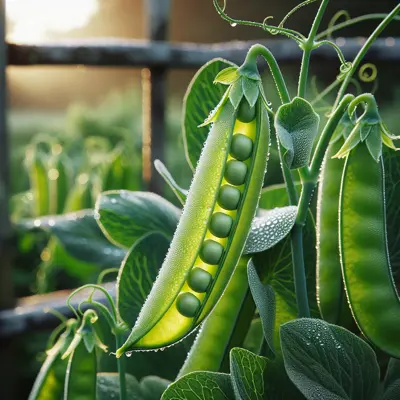
A great substitute for Oregon Giant, as it is very similar. Excellent emergence. Normal, 38" tall vines produce very high yields of stringless pods. 2 pods per node.
Harvest
60d
Days to harvest
Sun
Full sun to partial shade
Zones
2–11
USDA hardiness
Height
12-18 inches
Planting Timeline
Showing dates for Oregon Sugar Pod II in USDA Zone 7
All Zone 7 pea →Zone Map
Click a state to update dates
Oregon Sugar Pod II · Zones 2–11
Growing Details
Succession Planting
Oregon Sugar Pod II stops setting pods once daytime temps push consistently above 80°F — it's not a plant that powers through summer heat. Direct sow every 14–18 days starting as soon as the soil is workable in early spring, and make your last sowing about 60 days before your average last-frost-to-heat transition. Peas germinate in 8–14 days in the ground and dislike having their roots disturbed, so skip the indoor starts entirely.
For a fall run, count back 60 days from your first expected frost and sow then. If the soil is still above 85°F, hold off a week — germination stalls in hot ground and you'll waste seed. Once temperatures drop into the 70s, the seeds go in fast and the fall crop is often cleaner than spring because downy mildew pressure is lower in dry fall air.
Complete Growing Guide
Start preparing your Oregon Sugar Pod II site in early spring while soil is still cool. Choose a location with morning sun and afternoon protection in hot climates, though full sun works well in zones 3-6. Work compost into your soil to a depth of 8 inches, aiming for a pH between 6.0-7.0. Avoid fresh manure, which promotes excessive foliage at the expense of pod production.
Direct sow seeds 2-3 weeks before your last frost date when soil temperature reaches 45°F. Plant seeds 1 inch deep and 2 inches apart in double rows spaced 6 inches apart. This variety benefits from pre-soaking seeds for 8-12 hours before planting to speed germination in cool soil. In zones 8-9, plant again in late summer for a fall harvest.
Install your 4-foot trellis or support structure before planting to avoid disturbing roots later. Oregon Sugar Pod II produces vigorous vines that need sturdy support - flimsy structures will collapse under the weight of heavy pod production. Use welded wire panels, bamboo teepees, or strong netting.
Fertilize lightly at planting with a balanced 10-10-10 fertilizer, then avoid high-nitrogen feeds which reduce flowering. Side-dress with compost when plants reach 6 inches tall. Water consistently but avoid overhead watering once flowering begins to prevent disease issues.
Train young tendrils to your support structure by gently wrapping them around wires or stakes. Plants become self-supporting once established. Mulch around plants to retain moisture and suppress weeds, keeping mulch 3 inches from stems.
Avoid the common mistake of harvesting pods too late - Oregon Sugar Pod II pods become tough and stringy if left on the vine past their prime. Check plants daily once pods begin forming. Another frequent error is planting too late in spring; this cool-season crop struggles in temperatures above 75°F and stops producing in hot weather.
Harvesting
Begin harvesting Oregon Sugar Pod II pods 65-70 days after sowing when pods reach 3-4 inches long and remain completely flat. The pods should snap crisply when bent, with barely visible peas inside - once you can clearly see pea outlines through the pod wall, you've waited too long. Harvest in early morning when pods are crisp and full of moisture.
Use the 'snap test' to determine readiness: bend the pod gently - it should break with a clean snap and feel tender throughout. Pods that bend without breaking are overripe and will be tough and stringy. Hold the vine steady with one hand while picking pods with the other to avoid pulling plants from their supports.
Harvest every 2-3 days to maintain continuous production - leaving mature pods on the plant signals the end of flowering. Cut pods with scissors rather than pulling to avoid damaging the productive vine structure. Oregon Sugar Pod II produces for 4-6 weeks when harvested consistently, significantly longer than most snow pea varieties.
Storage & Preservation
Fresh Oregon Sugar Pod II pods maintain peak quality for 5-7 days when stored in perforated plastic bags in your refrigerator's crisper drawer. Don't wash pods until ready to use, as excess moisture promotes decay. For longer storage, blanch whole pods in boiling water for 90 seconds, plunge into ice water, drain thoroughly, and freeze in sealed containers for up to 8 months.
These pods excel at preservation due to their sturdy structure. For stir-fry convenience, slice pods diagonally before blanching and freezing in single-use portions. Dehydrate young, tender pods at 125°F for 8-10 hours to create crispy snacks, though this works best with the smallest pods. Avoid canning snow peas as they become mushy and lose their signature crisp texture that makes this variety so prized in Asian cuisine.
History & Origin
Oregon Sugar Pod II represents a significant improvement over the original Oregon Sugar Pod, which was developed at Oregon State University in the 1960s as part of their vegetable breeding program. The original variety quickly became popular among commercial growers in the Pacific Northwest for its reliable production and disease resistance in the region's cool, moist climate.
This second-generation hybrid was released in the 1980s specifically to address the increasing problems with powdery mildew and pea enation mosaic virus that were affecting snow pea crops. Plant breeders enhanced the disease resistance package while maintaining the exceptional flavor and productivity that made the original variety famous. The 'Sugar Pod' name reflects the variety's tender, edible pods that don't require shelling - a trait that was still relatively novel in American gardens when first introduced.
Oregon Sugar Pod II gained particular popularity during the 1990s Asian cuisine boom, when home gardeners began seeking ingredients for stir-fries and other dishes requiring crisp, sweet snow peas. Today it remains a standard variety for both commercial production and home gardens across North America.
Advantages
- +Produces for 4-6 weeks longer than most snow pea varieties with consistent harvesting
- +Exceptional resistance to powdery mildew, pea enation mosaic virus, and common wilt
- +Pods maintain tenderness and sweetness even when slightly oversized compared to other varieties
- +Vigorous vines produce enormous yields from a small garden footprint
- +Performs reliably in both cool Pacific Northwest climates and variable spring weather
- +Pods freeze exceptionally well while maintaining crisp texture
- +Self-supporting once established on proper trellis structure
Considerations
- -Requires sturdy 4-foot support structure that many gardeners underestimate
- -Production stops abruptly in temperatures above 75°F
- -Susceptible to root rot in poorly-drained soils or with overwatering
- -Pods can become stringy quickly if harvest timing is missed by even a few days
- -More expensive seed than open-pollinated snow pea varieties
Companion Plants
Carrots and radishes are the most practical neighbors — their roots sit at a different depth than pea roots, so they're not competing for the same water, and radishes can pull pea aphids (Acyrthosiphon pisum) away from your pods before the infestation gets going. Lettuce and spinach fit naturally under the 12–18-inch canopy and use the mild shade peas cast once temperatures start climbing. Onions and garlic belong on a different bed entirely — alliums inhibit pea growth through root exudates, and the stunting shows up even when they're planted 6–8 inches away.
Plant Together
Carrots
Peas improve soil nitrogen for carrots, while carrots help break up soil for pea roots
Radishes
Quick-growing radishes help break up soil and can be harvested before peas need full space
Lettuce
Benefits from nitrogen fixed by peas and provides living mulch to retain soil moisture
Spinach
Thrives in nitrogen-enriched soil from peas and has similar cool-season growing requirements
Nasturtiums
Trap crop for aphids and cucumber beetles while attracting beneficial insects
Marigolds
Repel aphids, thrips, and other pests that commonly attack peas
Mint
Deters ants and rodents that may eat pea seeds, though contain in pots to prevent spreading
Chives
Repel aphids and improve overall garden health with natural fungicidal properties
Keep Apart
Onions
Can inhibit pea growth and nitrogen fixation through root secretions
Garlic
Allelopathic compounds can stunt pea growth and reduce pod production
Gladiolus
Competes heavily for nutrients and may harbor thrips that damage pea plants
Nutrition Facts
Per 100g serving. % Daily Value based on 2,000 calorie diet. Source: USDA FoodData Central (FDC #170419)
Pests & Disease Resistance
Resistance
Fusarium Wilt (Intermediate); Pea Enation Mosaic Virus (Intermediate); Powdery Mildew (Intermediate)
Common Pests
Pea aphids, spider mites, leafminer, pea moth
Diseases
Downy mildew, bacterial blight, root rot, white mold
Troubleshooting Oregon Sugar Pod II
What you'll see, why it happens, and what to do about it.
White-gray fuzzy coating on undersides of leaves, with yellowing on the upper surface, usually appearing in cool, wet spring weather
Likely Causes
- Downy mildew (Peronospora viciae) — thrives in humid conditions with temps between 50–65°F
- Poor air circulation from dense planting at less than 3-inch spacing
What to Do
- 1.Pull and trash affected leaves — don't compost them
- 2.Space plants at least 3–4 inches apart and switch to drip or base watering; keeping foliage dry slows spore spread significantly
- 3.If the planting is heavily infected, pull the whole row — Oregon Sugar Pod II matures in 60 days, so a fresh direct sow may still finish before heat sets in
Stunted plants with yellowing lower leaves, wilting despite adequate soil moisture, and brown or rotted tissue at the base of the stem near soil level
Likely Causes
- Root rot — most commonly Pythium or Aphanomyces species — triggered by waterlogged or poorly drained soil
- Replanting peas in the same bed without a rotation break, allowing pathogen levels to build
What to Do
- 1.Pull affected plants immediately; don't replant peas in that spot for at least 2–3 seasons
- 2.Before the next planting, work compost into heavy clay soil to open up drainage — target pH 6.2–7.2 and a loose structure that doesn't puddle after rain
- 3.Sow seeds in raised beds or on slight ridges if your ground stays saturated more than a day after a storm
Frequently Asked Questions
How long does Oregon Sugar Pod II take to grow from seed to harvest?▼
Can you grow Oregon Sugar Pod II in containers?▼
Is Oregon Sugar Pod II good for beginner gardeners?▼
What's the difference between Oregon Sugar Pod II and regular snow peas?▼
When should I plant Oregon Sugar Pod II seeds?▼
Do Oregon Sugar Pod II plants need a trellis?▼
Zone-by-Zone Planting Calendar
| Zone | Indoor Start | Transplant | Direct Sow | Harvest |
|---|---|---|---|---|
| Zone 1 | — | — | June – July | August – September |
| Zone 2 | — | — | May – July | July – September |
| Zone 11 | — | — | January – February | February – December |
| Zone 12 | — | — | January – February | February – December |
| Zone 13 | — | — | January – February | February – December |
| Zone 3 | — | — | May – June | July – October |
| Zone 4 | — | — | April – June | June – October |
| Zone 5 | — | — | April – May | June – November |
| Zone 6 | — | — | April – May | June – November |
| Zone 7 | — | — | March – May | May – November |
| Zone 8 | — | — | March – April | May – December |
| Zone 9 | — | — | February – March | April – December |
| Zone 10 | — | — | January – March | March – December |
Growing Guides from Wind River Greens
Sources & References
External authority sources used in compiling this guide.
- BreederJohnny's Selected Seeds
- USDAUSDA FoodData Central
See the Methodology page for how this data is sourced, what's AI-assisted, and known limitations.