Corelli™ II Pink
Eustoma grandiflorum
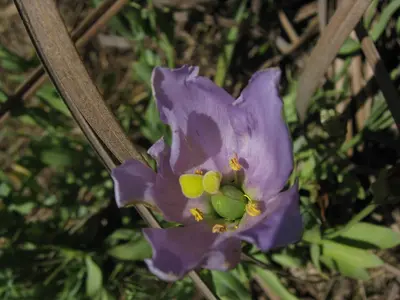
Wikimedia Commons via Eustoma russellianum
2 1/2-4" fully double, lightly ruffled flowers. Soft flowers with green centers provide a softer look than varieties with dark centers. Group 2 for early spring to summer harvest. Color is slightly pinker than Corelli™ III Light Pink which has a very pale petal color and dark center. Lisianthus is also known as prairie gentian, Texas bluebell, and showy prairie gentian. Pelleted seeds.
Harvest
140-150d
Days to harvest
Sun
Full sun to partial shade
Zones
8–10
USDA hardiness
Height
1-3 feet
Planting Timeline
Showing dates for Corelli™ II Pink in USDA Zone 7
All Zone 7 flower →Zone Map
Click a state to update dates
Corelli™ II Pink · Zones 8–10
Growing Details
Complete Growing Guide
2 1/2-4" fully double, lightly ruffled flowers. Soft flowers with green centers provide a softer look than varieties with dark centers. Group 2 for early spring to summer harvest. Color is slightly pinker than Corelli™ III Light Pink which has a very pale petal color and dark center. Lisianthus is also known as prairie gentian, Texas bluebell, and showy prairie gentian. Pelleted seeds. According to Johnny's Selected Seeds, Corelli™ II Pink is 140 - 150 days to maturity, annual, hybrid (f1). Notable features: Greenhouse Performer, Use for Cut Flowers and Bouquets.
Light: Full sun (6 or more hours of direct sunlight a day), Partial Shade (Direct sunlight only part of the day, 2-6 hours). Soil: Loam (Silt), Sand. Drainage: Good Drainage, Moist. Height: 1 ft. 0 in. - 3 ft. 0 in.. Spread: 0 ft. 9 in. - 1 ft. 0 in.. Maintenance: High. Propagation: Seed.
Harvesting
Corelli™ II Pink reaches harvest at 140 - 150 days from sowing per Johnny's Selected Seeds. Expect 2 1/2-4" at peak. As an annual, harvest continues until frost ends the season.
This is an ornamental variety — not grown for harvest. Enjoy in the garden landscape.
Storage & Preservation
Fresh-cut Corelli® II Pink stems store best in a cool room (65–70°F) in clean water with commercial floral preservative, lasting 10–14 days. Keep arranged bouquets away from direct sunlight, heating vents, and ripening fruit. For extended storage, condition stems for 2–4 hours in cool water before refrigerating at 34–38°F in a shallow vase—flowers can be held this way for 5–7 days before arranging.
To preserve blooms long-term, air-dry fully opened flowers by hanging bundles upside-down in a warm, dark, well-ventilated space (60–70°F, 40–50% humidity) for 10–14 days. Dried Corelli® II Pink flowers retain their pink color beautifully and work well in dried arrangements. Alternatively, press flowers between parchment paper weighted with heavy books for 2–3 weeks to create keepsakes, though this method flattens the ruffled form. Silica gel drying preserves three-dimensional form best: bury flowers in dry silica gel in an airtight container for 5–7 days.
History & Origin
Corelli™ II Pink is an F1 hybrid developed through controlled cross-pollination. Listed in the Johnny's Selected Seeds catalog.
Origin: Nebraska south to Texas.
Advantages
- +Fully double ruffled flowers create elegant, sophisticated garden displays
- +Soft pink color with green centers offers unique aesthetic appeal
- +Early spring to summer harvest Group 2 timing suits most climates
- +Easy difficulty level makes it accessible for beginning and experienced growers
- +140-150 day maturity provides reliable, predictable blooming schedule
Considerations
- -Lisianthus requires consistent moisture and struggles with drought stress
- -Green centers may appeal less to florists preferring dark-centered varieties
- -Pelleted seeds need careful handling; poor germination if over-watered
- -Soft petals bruise easily during handling and transport
Companion Plants
Marigolds (Tagetes spp.) and Sweet Alyssum do the most useful work alongside Corelli II Pink. Marigolds produce alpha-terthienyl in their roots, which suppresses soil nematodes — a meaningful advantage for a crop that sits in the ground 140-150 days and gives root problems plenty of time to develop. Sweet Alyssum draws parasitic wasps and hoverflies that actively hunt the whitefly populations NC State Extension flags as a primary pest pressure on lisianthus. Cosmos and Zinnias are worth planting nearby too — they pull aphids and thrips toward themselves and away from the blooms you spent five months growing.
Black Walnut (Juglans nigra) is the companion to avoid most strictly. Its roots leak juglone into the surrounding soil, and lisianthus — already slow and finicky to establish — has no tolerance for it. Sunflowers are a quieter problem: they're allelopathic and compete hard for water at the same root depth, which is a real issue for a plant that needs consistent moisture from transplant all the way through that long finish line.
Plant Together
Cosmos
Attracts beneficial insects and provides structural support
Petunias
Repel aphids, tomato hornworms, and other soft-bodied insects
Marigolds
Repel nematodes and aphids while attracting beneficial insects
Sweet Alyssum
Attracts beneficial insects and provides ground cover protection
Nasturtiums
Act as trap crops for aphids and cucumber beetles
Lavender
Repels pests with aromatic oils and attracts pollinators
Zinnia
Attracts beneficial insects and provides complementary colors
Catmint
Deters ants and aphids while attracting beneficial pollinators
Keep Apart
Black Walnut
Produces juglone toxin that inhibits growth of many flowering plants
Eucalyptus
Releases allelopathic compounds that suppress nearby plant growth
Sunflowers
Compete aggressively for nutrients and release growth-inhibiting chemicals
Pests & Disease Resistance
Common Pests
Spider mites, whiteflies
Diseases
Damping-off (seedling stage), Rhizoctonia, Fusarium, Botrytis (in high humidity)
Troubleshooting Corelli™ II Pink
What you'll see, why it happens, and what to do about it.
Seedlings collapse at the soil line within the first 2-3 weeks after germination
Likely Causes
- Damping-off — typically Pythium or Rhizoctonia solani — triggered by overwatering and poor air circulation around seedling trays
- Sowing too deep; Eustoma seeds are dust-fine and need light to germinate
What to Do
- 1.Surface-sow seeds without covering them, then mist to settle; keep germination temps at 70-75°F
- 2.Run a small fan near trays for 30 minutes a day to dry surface moisture between waterings
- 3.Drench trays with a diluted copper-based fungicide if damping-off has already appeared in a flat
Stippled, bronze-gray discoloration spreading across leaves, with fine webbing on the undersides
Likely Causes
- Two-spotted spider mite (Tetranychus urticae) — populations explode in hot, dry conditions above 85°F
- Plants stressed from irregular watering, which lowers the plant's natural defenses
What to Do
- 1.Knock mites off with a strong stream of water from a hose; repeat every 2-3 days for two weeks
- 2.Apply insecticidal soap or neem oil to the leaf undersides — that's where the mites actually live
- 3.Keep soil consistently moist; drought-stressed Eustoma is far more susceptible
Gray, fuzzy mold forming on buds and petals, especially during cool, humid stretches
Likely Causes
- Botrytis cinerea — a humidity-loving fungus that moves fast on the dense, cupped petals of lisianthus
- Planting at tighter than 12-inch spacing, which traps moisture inside the canopy
What to Do
- 1.Remove and bag any affected blooms and foliage immediately — Botrytis spreads by spore release when you disturb it
- 2.Space plants at least 12 inches apart and switch to drip irrigation; overhead watering on a humid day is asking for it
- 3.Apply a chlorothalonil-based fungicide preventively if you've had Botrytis before and a wet week is forecast
Leaves yellowing and wilting from the base up on an otherwise well-watered plant, with brown, rotted tissue at the crown
Likely Causes
- Fusarium crown rot (Fusarium oxysporum) — a soil-borne pathogen that's particularly aggressive in warm, poorly draining soils
- Rhizoctonia solani, which causes similar basal rot symptoms and persists in soil debris for years
What to Do
- 1.Pull affected plants immediately — Fusarium-infected lisianthus won't recover — and trash the roots, don't compost them
- 2.Work perlite or coarse sand into heavy clay beds before the next planting to open up drainage
- 3.Rest that bed from Eustoma for at least 2-3 seasons; both pathogens overwinter in old root material
Frequently Asked Questions
How long does Corelli® II Pink take to grow from seed to flower?▼
Is Corelli® II Pink good for beginner gardeners?▼
Can you grow Corelli® II Pink in containers or pots?▼
Corelli® II Pink vs. Corelli® III Light Pink—what's the difference?▼
What light conditions does Corelli® II Pink need?▼
Why are my Corelli® II Pink seedlings dying?▼
Zone-by-Zone Planting Calendar
| Zone | Indoor Start | Transplant | Direct Sow | Harvest |
|---|---|---|---|---|
| Zone 3 | April – May | June – July | June – August | — |
| Zone 4 | March – April | June – June | June – July | — |
| Zone 5 | March – April | May – June | May – July | — |
| Zone 6 | March – April | May – June | May – July | — |
| Zone 7 | February – March | April – May | April – June | — |
| Zone 8 | February – March | April – May | April – June | — |
| Zone 9 | January – February | March – April | March – May | — |
| Zone 10 | January – January | February – March | February – April | — |
| Zone 1 | May – June | July – August | July – September | — |
| Zone 2 | April – May | June – July | June – August | — |
| Zone 11 | January – January | January – February | January – March | — |
| Zone 12 | January – January | January – February | January – March | — |
| Zone 13 | January – January | January – February | January – March | — |
Growing Guides from Wind River Greens
Sources & References
External authority sources used in compiling this guide.
- BreederJohnny's Selected Seeds
See the Methodology page for how this data is sourced, what's AI-assisted, and known limitations.