Corelli™ III Light Pink
Eustoma grandiflorum
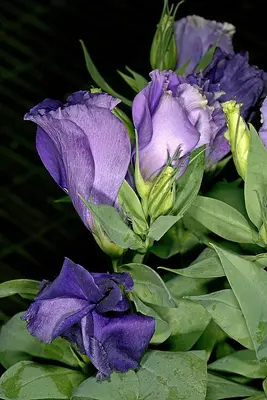
Wikimedia Commons via Eustoma russellianum
Pale, blush-pink petals with deep maroon/burgundy centers that draw you in when the porcelain-like blooms are fully open. 2-3 1/2", fully double, lightly ruffled flowers. Awarded Cut Flower of the Year by the Association of Specialty Cut Flower Growers. Group 3 (main season) for late spring, summer, and fall harvest. Color is lighter than Arena III Baby Pink and Voyage 2 Pink Improved. Lisianthus is also known as prairie gentian, Texas bluebell, and showy prairie gentian. Pelleted seeds.
Harvest
155-165d
Days to harvest
Sun
Full sun to partial shade
Zones
8–10
USDA hardiness
Height
1-3 feet
Planting Timeline
Showing dates for Corelli™ III Light Pink in USDA Zone 7
All Zone 7 flower →Zone Map
Click a state to update dates
Corelli™ III Light Pink · Zones 8–10
Growing Details
Complete Growing Guide
Pale, blush-pink petals with deep maroon/burgundy centers that draw you in when the porcelain-like blooms are fully open. 2-3 1/2", fully double, lightly ruffled flowers. Awarded Cut Flower of the Year by the Association of Specialty Cut Flower Growers. Group 3 (main season) for late spring, summer, and fall harvest. Color is lighter than Arena III Baby Pink and Voyage 2 Pink Improved. Lisianthus is also known as prairie gentian, Texas bluebell, and showy prairie gentian. Pelleted seeds. According to Johnny's Selected Seeds, Corelli™ III Light Pink is 155 - 165 days to maturity, annual, hybrid (f1). Notable features: Greenhouse Performer, Use for Cut Flowers and Bouquets.
Light: Full sun (6 or more hours of direct sunlight a day), Partial Shade (Direct sunlight only part of the day, 2-6 hours). Soil: Loam (Silt), Sand. Drainage: Good Drainage, Moist. Height: 1 ft. 0 in. - 3 ft. 0 in.. Spread: 0 ft. 9 in. - 1 ft. 0 in.. Maintenance: High. Propagation: Seed.
Harvesting
Corelli™ III Light Pink reaches harvest at 155 - 165 days from sowing per Johnny's Selected Seeds. Expect 2-3 1/2" at peak. As an annual, harvest continues until frost ends the season.
This is an ornamental variety — not grown for harvest. Enjoy in the garden landscape.
Storage & Preservation
Place freshly cut Corelli™ III Light Pink stems in cool water (65–70°F) with floral preservative in a clean vase away from ripening fruit, direct sun, and heat sources. Blooms will last 7–10 days indoors with daily water changes and stem recutting every 2–3 days. Remove any leaves that would sit below the waterline to minimize bacterial growth.
For extended preservation, press blooms between parchment paper weighted with books for 2–3 weeks to create heirloom dried flowers ideal for permanent arrangements. Alternatively, allow flowers to air-dry upside-down in loose bunches in a cool, dark, well-ventilated space for 10–14 days. Dried Corelli™ III Light Pink retains its distinctive blush-pink and maroon coloration beautifully and adds texture to winter bouquets or craft projects lasting months.
History & Origin
Corelli™ III Light Pink is an F1 hybrid developed through controlled cross-pollination. Listed in the Johnny's Selected Seeds catalog.
Origin: Nebraska south to Texas.
Advantages
- +Award-winning Cut Flower of the Year designation ensures market recognition and demand
- +Distinctive blush-pink with deep maroon centers creates striking visual contrast in arrangements
- +Fully double, ruffled blooms provide luxurious, porcelain-like texture for premium floral designs
- +Extended harvest window from late spring through fall maximizes production seasons
- +Easy difficulty rating makes it accessible for both commercial and home growers
Considerations
- -155-165 day maturation requires long growing season and significant resource investment
- -Lisianthus generally demands consistent moisture and excellent drainage or roots rot
- -Lighter color may require careful marketing to differentiate from similar pink varieties
Companion Plants
Marigolds — French marigolds (Tagetes patula) specifically — are the most practical companion for a long-season crop like Corelli III that occupies a bed for 155-165 days. Their root exudates suppress soil nematodes, and that matters more than any above-ground pest effect. Sweet Alyssum is worth tucking in at the edges; it draws parasitic wasps and hoverflies that prey on the thrips and whiteflies that target lisianthus through a warm, humid season. Lavender and Catmint pull in similar beneficials without competing hard for water.
Black Walnut is the companion to treat as a hard boundary — the juglone it releases through root decomposition damages a wide range of ornamentals, and the affected zone can run well past what looks like a safe distance from the trunk. Around here in the southeast, Sunflowers show up in a lot of cutting gardens, but they shed allelopathic compounds and drink aggressively; in a dry stretch, a lisianthus bed planted 12-18 inches away from them will drop in vigor noticeably before you figure out why.
Plant Together
Marigolds
Repel aphids, whiteflies, and nematodes while attracting beneficial insects
Sweet Alyssum
Attracts beneficial predatory insects and provides ground cover
Nasturtiums
Act as trap crops for aphids and cucumber beetles, drawing pests away
Lavender
Repels moths, fleas, and mosquitoes while attracting pollinators
Zinnia
Attracts beneficial insects and butterflies, shares similar growing conditions
Catmint
Deters ants, aphids, and rodents while attracting beneficial pollinators
Cosmos
Attracts beneficial insects and provides structural diversity without competition
Parsley
Attracts beneficial parasitic wasps and hover flies that control aphids
Keep Apart
Black Walnut Trees
Release juglone toxin that inhibits growth and can kill sensitive flowering plants
Sunflowers
Produce allelopathic chemicals and compete aggressively for nutrients and water
Eucalyptus
Releases allelopathic compounds that inhibit germination and growth of nearby plants
Pests & Disease Resistance
Common Pests
Whiteflies, spider mites, thrips in greenhouse environments
Diseases
Fusarium wilt, Pythium root rot, powdery mildew in humid conditions
Troubleshooting Corelli™ III Light Pink
What you'll see, why it happens, and what to do about it.
Seedlings or young transplants collapsing at the soil line, roots dark and mushy, within the first few weeks of planting
Likely Causes
- Pythium root rot — a water mold that thrives in saturated, poorly drained soil
- Overwatering or containers/beds without adequate drainage
What to Do
- 1.Pull the affected plants immediately; don't compost them
- 2.Let the bed dry down before watering again — Corelli lisianthus wants consistent moisture, not wet feet
- 3.Next cycle, amend beds with perlite or coarse sand to improve drainage, and avoid watering late in the day
Plants wilting during the day even when soil is moist, lower leaves yellowing, stems showing brown discoloration when cut open
Likely Causes
- Fusarium wilt (Fusarium oxysporum) — a soil-borne fungus that blocks water movement through the stem
- Replanting lisianthus in a bed that had Fusarium pressure the previous season
What to Do
- 1.Remove and bag infected plants — Fusarium persists in soil for years, so don't compost
- 2.Rotate lisianthus out of that bed for at least 3 seasons
- 3.Solarize the bed in July or August by covering moist soil with clear plastic for 4-6 weeks; Georgia summers get hot enough to make this genuinely effective
Tiny silver streaking on petals and buds, or buds failing to open; sticky residue accumulating on leaves
Likely Causes
- Thrips (Frankliniella occidentalis) — especially common in greenhouse starts or high-tunnel production
- Whitefly feeding, which deposits honeydew that leads to sooty mold
What to Do
- 1.Check the undersides of leaves and inside buds with a hand lens — thrips are small enough to miss at a glance
- 2.Introduce Amblyseius cucumeris (a predatory mite) if you're growing under cover; it works well against thrips
- 3.For outdoor beds, hang yellow sticky traps at canopy height to monitor pressure, and apply insecticidal soap at 5-day intervals if populations are climbing
Frequently Asked Questions
How long does Corelli™ III Light Pink take to flower from seed?▼
Is Corelli™ III Light Pink good for beginners?▼
Can you grow Corelli™ III Light Pink in containers?▼
What's the difference between Corelli™ III Light Pink and Arena III Baby Pink?▼
When should I plant Corelli™ III Light Pink seeds indoors?▼
How do you keep Corelli™ III Light Pink buds from dropping?▼
Zone-by-Zone Planting Calendar
| Zone | Indoor Start | Transplant | Direct Sow | Harvest |
|---|---|---|---|---|
| Zone 3 | April – May | June – July | June – August | — |
| Zone 4 | March – April | June – June | June – July | — |
| Zone 5 | March – April | May – June | May – July | — |
| Zone 6 | March – April | May – June | May – July | — |
| Zone 7 | February – March | April – May | April – June | — |
| Zone 8 | February – March | April – May | April – June | — |
| Zone 9 | January – February | March – April | March – May | — |
| Zone 10 | January – January | February – March | February – April | — |
| Zone 1 | May – June | July – August | July – September | — |
| Zone 2 | April – May | June – July | June – August | — |
| Zone 11 | January – January | January – February | January – March | — |
| Zone 12 | January – January | January – February | January – March | — |
| Zone 13 | January – January | January – February | January – March | — |
Growing Guides from Wind River Greens
Sources & References
External authority sources used in compiling this guide.
- BreederJohnny's Selected Seeds
See the Methodology page for how this data is sourced, what's AI-assisted, and known limitations.