Hibiscus Luna Red
Hibiscus moscheutos 'Luna Red'
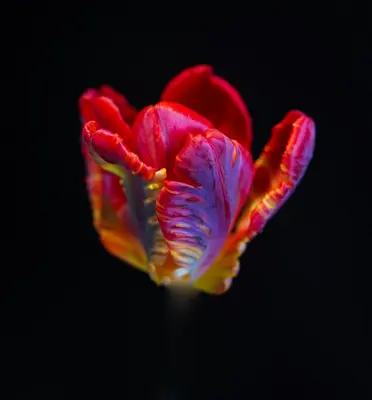
This spectacular hardy hibiscus produces enormous 6-8 inch scarlet-red blooms that command attention from across the garden, yet grows on a compact, manageable plant perfect for smaller spaces. Luna Red delivers the tropical impact of traditional hibiscus while being completely winter hardy in most climates, returning reliably each spring to provide months of show-stopping color.
Harvest
100-120d
Days to harvest
Sun
Full sun to partial shade
Zones
4–9
USDA hardiness
Height
2-6 feet
Planting Timeline
Showing dates for Hibiscus Luna Red in USDA Zone 7
All Zone 7 flower →Zone Map
Click a state to update dates
Hibiscus Luna Red · Zones 4–9
Growing Details
Complete Growing Guide
Light: Full sun (6 or more hours of direct sunlight a day), Partial Shade (Direct sunlight only part of the day, 2-6 hours). Soil: High Organic Matter, Loam (Silt), Sand. Soil pH: Acid (<6.0), Neutral (6.0-8.0). Drainage: Moist, Occasionally Wet. Height: 2 ft. 0 in. - 6 ft. 0 in.. Spread: 2 ft. 0 in. - 5 ft. 0 in.. Spacing: 3 feet-6 feet. Growth rate: Rapid. Maintenance: Low. Propagation: Division, Seed, Stem Cutting. Regions: Coastal, Mountains, Piedmont.
Harvesting
The fruit is a brown, oval, 1 to 1¼ inch long seed capsule that appears from July to October. The beaked capsules turn brown within 4 to 5 weeks of the flowers blooming. Each capsule contains a ring of seeds. The seeds are dark brown, reniform, flat, and hairless.
Color: Brown/Copper. Type: Capsule. Length: 1-3 inches. Width: 1-3 inches.
Harvest time: Fall, Winter
Storage & Preservation
Fresh hibiscus flowers are extremely perishable and should be used within 24 hours of harvest for best quality. Store freshly cut blooms in cool water in the refrigerator, changing water daily. For longer storage, gently separate petals and store in slightly damp paper towels inside sealed containers for up to 3 days.
To dry petals for tea, spread them on screens in a well-ventilated, dark area for 3-5 days until completely crisp. Properly dried petals retain their tart flavor for up to one year when stored in airtight containers away from light. Freeze whole flowers in ice cube trays for stunning drink garnishes, or flash-freeze individual petals on baking sheets before transferring to freezer bags.
For hibiscus syrup, simmer fresh petals in equal parts water and sugar until liquid turns deep red, then strain and refrigerate for up to one month. The concentrated cranberry-like flavor makes excellent bases for beverages, desserts, and cocktail mixers.
History & Origin
Origin: Southeast Canada, Central & Eastern United States, and NE Mexico
Advantages
- +Attracts: Butterflies, Hummingbirds, Pollinators, Specialized Bees
- +Fast-growing
- +Low maintenance
Companion Plants
Marigolds (especially Tagetes patula) and nasturtiums are the most practical companions here. Marigolds deter aphids and whiteflies through scent compounds in their foliage and pull in predatory wasps that do real work on soft-bodied insects. Nasturtiums act as a trap crop — aphids tend to pile onto them first, which lets you deal with the infestation in one concentrated spot rather than picking through the hibiscus bloom by bloom. Catnip (Nepeta cataria) is worth adding too; it repels aphids and spider mites and doesn't compete aggressively for water the way some herbs do at 24-inch spacing.
Keep Black Walnut out of the picture entirely — its roots and decomposing leaf litter release juglone, and Hibiscus moscheutos is sensitive enough that even runoff from a nearby tree can cause sudden collapse that looks like drought stress but doesn't respond to watering. Fennel is a subtler problem: allelopathic root exudates stunt whatever is growing within a foot or two of it, and the effect shows up slowly enough that you might not connect the cause for a whole season.
Plant Together
Marigold
Repels aphids, whiteflies, and spider mites that commonly attack hibiscus
Nasturtium
Acts as trap crop for aphids and adds nitrogen to soil
Lavender
Attracts beneficial pollinators and repels common garden pests
Pentas
Attracts butterflies and hummingbirds while sharing similar water needs
Catnip
Repels mosquitoes, ants, and aphids that may damage hibiscus
Rosemary
Deters spider mites and whiteflies with aromatic oils
Zinnia
Attracts beneficial insects and ladybugs that control aphids
Beebalm
Attracts pollinators and beneficial predatory insects
Keep Apart
Black Walnut Tree
Produces juglone toxin that inhibits hibiscus growth and causes wilting
Eucalyptus
Allelopathic compounds suppress growth of nearby flowering plants
Fennel
Inhibits growth through allelopathy and competes aggressively for nutrients
Pests & Disease Resistance
Resistance
Good disease resistance, some susceptibility to leaf spot
Common Pests
Japanese beetles, aphids, whiteflies, spider mites
Diseases
Leaf spot, rust, root rot in poorly drained soil
Troubleshooting Hibiscus Luna Red
What you'll see, why it happens, and what to do about it.
Leaves riddled with irregular holes, skeletonized patches, or missing chunks — often noticed midsummer
Likely Causes
- Japanese beetle (Popillia japonica) feeding — they're drawn hard to hibiscus and work fast in groups
- Slugs feeding overnight, especially on younger foliage close to the ground
What to Do
- 1.Hand-pick Japanese beetles in the early morning when they're sluggish and drop them into a bucket of soapy water
- 2.Avoid Japanese beetle traps near the planting — research shows they attract more beetles than they catch
- 3.For slugs, set out iron phosphate bait (Sluggo) around the base; it's safe around pollinators
Circular tan or brown spots with a darker border spreading across leaves, sometimes with a yellow halo — showing up in humid stretches
Likely Causes
- Cercospora leaf spot or Phyllosticta leaf spot — both fungal, both spread by overhead watering and rain splash
- Crowded spacing under 24 inches that keeps foliage wet longer than it should
What to Do
- 1.Strip off and trash (don't compost) any heavily spotted leaves to slow spread
- 2.Water at the base, not overhead — a soaker hose or drip line makes a real difference here
- 3.If it's progressing fast, apply a copper-based fungicide every 7-10 days until conditions dry out
Plant wilting even when the soil is wet, yellowing from the base up, with dark or mushy roots when you pull it
Likely Causes
- Phytophthora root rot — triggered by consistently waterlogged soil, especially in heavy clay
- Poor drainage in the planting site holding water against the crown
What to Do
- 1.Dig the plant, cut away all dark mushy root tissue with clean shears, and let the roots air out for an hour before replanting
- 2.Replant into a raised bed or a spot amended with coarse perlite or pine bark fines to improve drainage — Hibiscus moscheutos wants consistent moisture, not standing water
- 3.Don't put it back in the same spot without heavy soil amendment; Phytophthora persists in the ground for years
Frequently Asked Questions
How long does Hibiscus Luna Red take to grow from seed?▼
Can you grow Hibiscus Luna Red in containers?▼
Is Hibiscus Luna Red good for beginners?▼
What do Hibiscus Luna Red flowers taste like?▼
When should I plant Hibiscus Luna Red seeds?▼
Why is my Hibiscus Luna Red not blooming?▼
Zone-by-Zone Planting Calendar
| Zone | Indoor Start | Transplant | Direct Sow | Harvest |
|---|---|---|---|---|
| Zone 3 | April – May | June – July | June – August | — |
| Zone 4 | March – April | June – June | June – July | — |
| Zone 5 | March – April | May – June | May – July | — |
| Zone 6 | March – April | May – June | May – July | — |
| Zone 7 | February – March | April – May | April – June | — |
| Zone 8 | February – March | April – May | April – June | — |
| Zone 9 | January – February | March – April | March – May | — |
| Zone 10 | January – January | February – March | February – April | — |
| Zone 1 | May – June | July – August | July – September | — |
| Zone 2 | April – May | June – July | June – August | — |
| Zone 11 | January – January | January – February | January – March | — |
| Zone 12 | January – January | January – February | January – March | — |
| Zone 13 | January – January | January – February | January – March | — |
Growing Guides from Wind River Greens
Sources & References
External authority sources used in compiling this guide.
- ExtensionNC State Extension
See the Methodology page for how this data is sourced, what's AI-assisted, and known limitations.