Bonanza™ Deep Orange
Tagetes patula
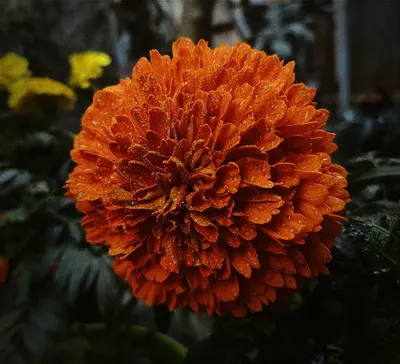
1 1/2-2 1/2" refined crested blooms. Highly uniform plants are more compact than the Durango series. An easy-to-grow addition to garden beds, containers, and small spaces. Classic marigold-orange bloom color.
Harvest
50d
Days to harvest
Sun
Full sun to partial shade
Zones
1–11
USDA hardiness
Height
6-12 inches
Planting Timeline
Showing dates for Bonanza™ Deep Orange in USDA Zone 7
All Zone 7 flower →Zone Map
Click a state to update dates
Bonanza™ Deep Orange · Zones 1–11
Growing Details
Succession Planting
Bonanza Deep Orange blooms continuously from a single planting, so you don't need to succession sow the way you would with arugula or cilantro. If you want a flush of tight, fresh plants for fall color or cutting once your spring planting gets leggy, direct sow a second round in late June — at 50 days to bloom, they'll hit their stride right around early September. Stop sowing once daytime highs are holding above 90°F; germination drops off sharply and young seedlings won't establish well in peak summer heat.
Complete Growing Guide
1 1/2-2 1/2" refined crested blooms. Highly uniform plants are more compact than the Durango series. An easy-to-grow addition to garden beds, containers, and small spaces. Classic marigold-orange bloom color. According to Johnny's Selected Seeds, Bonanza™ Deep Orange is 50 days to maturity, annual, open pollinated. Notable features: Grows Well in Containers, Edible Flowers.
Light: Full sun (6 or more hours of direct sunlight a day), Partial Shade (Direct sunlight only part of the day, 2-6 hours). Soil: Clay, Loam (Silt), Sand. Soil pH: Acid (<6.0), Neutral (6.0-8.0). Drainage: Good Drainage, Occasionally Dry. Height: 0 ft. 6 in. - 1 ft. 0 in.. Spread: 0 ft. 6 in. - 1 ft. 6 in.. Spacing: Less than 12 inches. Growth rate: Medium. Maintenance: Low. Regions: Coastal, Mountains, Piedmont.
Harvesting
Bonanza™ Deep Orange reaches harvest at 50 days from sowing per Johnny's Selected Seeds. Expect 1 1/2-2 1/2" at peak. As an annual, harvest continues until frost ends the season.
Edibility: Flowers are used to make refreshing drinks and the leaves are used for flavoring.
Storage & Preservation
Fresh marigold blooms should be stored in a cool location between 65-72°F with moderate humidity, ideally in a vase with fresh water. They have a shelf life of 7-14 days when kept cool and away from direct sunlight. For preservation, air-drying is the most popular method—hang bundles upside down in a dark, well-ventilated space for 2-3 weeks. Alternatively, press individual flowers between paper layers for 1-2 weeks to create flat botanical specimens. Silica gel drying offers a faster method (3-7 days) while preserving color more vividly, though it requires careful handling.
History & Origin
Bonanza™ Deep Orange is open-pollinated, meaning seed saved from healthy plants will produce true-to-type offspring. Listed in the Johnny's Selected Seeds catalog.
Origin: Mexico, Guatamala
Advantages
- +Refined crested blooms provide elegant, sophisticated appearance compared to standard marigolds.
- +Highly uniform plants ensure consistent aesthetic in garden beds and containers.
- +Compact growth habit makes it ideal for small spaces and tight plantings.
- +Quick 50-day maturity allows rapid garden displays and succession planting.
- +Easy cultivation makes it perfect for beginner gardeners and children's gardens.
Considerations
- -Refined petals may be more prone to rain damage and splitting.
- -Deep orange color can fade noticeably in intense afternoon heat and sunlight.
- -Compact size produces fewer total blooms per plant than larger varieties.
- -Susceptible to spider mites in hot, dry growing conditions.
Companion Plants
Marigolds earn their spot near tomatoes and peppers because their roots exude alpha-terthienyl, a compound that suppresses root-knot nematodes (Meloidogyne spp.) — though it takes a full season of growth to build up meaningful levels, so one quick planting won't do much. Basil and nasturtiums add value nearby by layering competing volatile scents that throw off aphids and whiteflies on approach. Fennel is the one to skip — its root secretions stunt a wide range of annuals, and Tagetes patula is no exception. Black walnut is a harder constraint: juglone toxicity from the root zone will yellow and collapse marigolds, so don't plant within the tree's drip line at all.
Plant Together
Basil
Repels aphids, spider mites, and thrips that commonly attack marigolds
Tomatoes
Marigolds deter nematodes and whiteflies that damage tomato plants
Nasturtiums
Acts as trap crop for aphids and cucumber beetles, protecting marigolds
Petunias
Similar growing conditions and both repel hornworms and aphids
Zinnias
Attract beneficial predatory insects and complement marigold pest control
Calendula
Similar care requirements and both attract beneficial pollinators
Peppers
Marigolds repel aphids and flea beetles that commonly attack pepper plants
Alyssum
Ground cover that attracts beneficial insects while marigolds handle larger pests
Keep Apart
Black Walnut Trees
Release juglone toxin that causes wilting and death in marigolds
Fennel
Allelopathic compounds inhibit marigold germination and growth
Beans
Marigolds can stunt bean growth and reduce nitrogen fixation
Pests & Disease Resistance
Common Pests
Spider mites, aphids, whiteflies, thrips
Diseases
Powdery mildew, botrytis, root rot in overwatered conditions
Troubleshooting Bonanza™ Deep Orange
What you'll see, why it happens, and what to do about it.
Fine webbing on undersides of leaves, foliage looking dusty or bronzed, especially during hot dry stretches
Likely Causes
- Two-spotted spider mite (Tetranychus urticae) — populations explode when temps exceed 85°F and humidity drops
- Overcrowded planting that restricts airflow and traps heat near the foliage
What to Do
- 1.Blast the undersides of leaves with a strong jet of water every 2-3 days — mites hate moisture and this physically knocks them off
- 2.Apply insecticidal soap or neem oil in the early morning, making sure to coat the leaf undersides
- 3.Space plants at least 12 inches apart so air can move through the bed
White powdery coating on upper leaf surfaces, usually showing up mid to late summer
Likely Causes
- Powdery mildew (Erysiphe cichoracearum) — a fungal pathogen that spreads in warm days with cool nights, not wet conditions
- Poor airflow from dense planting or crowding by neighboring plants
What to Do
- 1.Remove and bin (don't compost) the worst-affected leaves as soon as you spot them
- 2.Spray with a diluted baking soda solution (1 tablespoon per gallon of water) or potassium bicarbonate — repeat every 7 days
- 3.Next season, space at 15-18 inches and avoid overhead watering in the evening
Stems turning brown and soft at the soil line, plant wilting and collapsing even when the soil is wet
Likely Causes
- Root rot from Pythium or Rhizoctonia — almost always triggered by overwatering or poorly drained soil
- Planting in heavy clay that holds water after rain
What to Do
- 1.Pull the affected plant — there's no saving it once the crown is gone — and don't replant marigolds in that spot this season
- 2.Improve drainage before the next planting by working in 2-3 inches of compost or coarse sand
- 3.Water only when the top inch of soil is dry; Bonanza marigolds are drought tolerant once established and don't need frequent irrigation
Frequently Asked Questions
How long do Bonanza Deep Orange marigold flowers last in a vase?▼
Is Bonanza Deep Orange a good marigold for beginners?▼
Can you grow Bonanza Deep Orange marigolds in containers?▼
When should I plant Bonanza Deep Orange marigold seeds?▼
How much spacing do Bonanza Deep Orange marigolds need?▼
What makes Bonanza Deep Orange different from other marigold varieties?▼
Zone-by-Zone Planting Calendar
| Zone | Indoor Start | Transplant | Direct Sow | Harvest |
|---|---|---|---|---|
| Zone 1 | May – June | July – August | July – September | — |
| Zone 2 | April – May | June – July | June – August | — |
| Zone 11 | January – January | January – February | January – March | — |
| Zone 12 | January – January | January – February | January – March | — |
| Zone 13 | January – January | January – February | January – March | — |
| Zone 3 | April – May | June – July | June – August | — |
| Zone 4 | March – April | June – June | June – July | — |
| Zone 5 | March – April | May – June | May – July | — |
| Zone 6 | March – April | May – June | May – July | — |
| Zone 7 | February – March | April – May | April – June | — |
| Zone 8 | February – March | April – May | April – June | — |
| Zone 9 | January – February | March – April | March – May | — |
| Zone 10 | January – January | February – March | February – April | — |
Growing Guides from Wind River Greens
Sources & References
External authority sources used in compiling this guide.
- BreederJohnny's Selected Seeds
See the Methodology page for how this data is sourced, what's AI-assisted, and known limitations.