Leek
Allium porrum
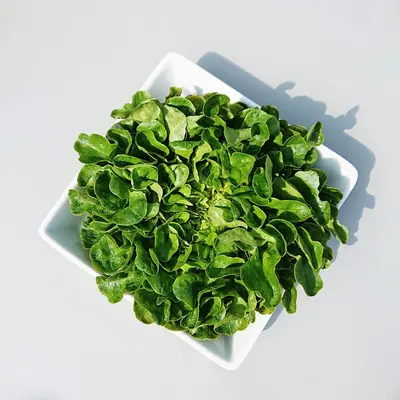
Green thread-like leaves. Slower to emerge than scallion or onion microgreens, but otherwise very similar.
Harvest
16-25d
Days to harvest
Sun
Full sun to partial shade
Zones
4–9
USDA hardiness
Height
1-3 feet
Planting Timeline
Showing dates for Leek in USDA Zone 7
All Zone 7 microgreen →Zone Map
Click a state to update dates
Leek · Zones 4–9
Growing Details
Succession Planting
Leek microgreens are fast enough for near-continuous production with minimal scheduling. Sow a new 10×20-inch tray every 10–14 days — at 16–25 days to harvest, that cadence keeps you from either running dry or cutting more than you can use. About 1 oz of seed per tray gives you enough greens for several meals or a solid farmers market bundle.
There's no heat threshold to manage here the way there is with cilantro or arugula — leek microgreens don't bolt because they're harvested long before any of that biology kicks in. Year-round indoor production is genuinely practical, which is why the planting calendar runs January through December. The only real deadline is day 25; let trays go past that and you're cutting tough, fibrous shoots instead of the tender ones worth eating.
Complete Growing Guide
Green thread-like leaves. Slower to emerge than scallion or onion microgreens, but otherwise very similar. According to Johnny's Selected Seeds, Leek is 16 - 25 days to maturity, annual, open pollinated. Notable features: Organic Seeds, Plants, and Supplies, Hydroponic Performer.
Light: Full sun (6 or more hours of direct sunlight a day), Partial Shade (Direct sunlight only part of the day, 2-6 hours). Soil: High Organic Matter, Loam (Silt), Sand. Drainage: Good Drainage. Height: 1 ft. 0 in. - 3 ft. 0 in. Spread: 0 ft. 6 in. - 2 ft. 0 in. Spacing: Less than 12 inches. Growth rate: Medium. Maintenance: Low. Propagation: Division. Regions: Coastal, Mountains, Piedmont.
Harvesting
Leek reaches harvest at 16 - 25 days from sowing per Johnny's Selected Seeds. As an annual, harvest continues until frost ends the season.
The capsule splits longitudinally and contains small round black seeds.
Type: Capsule.
Storage & Preservation
Harvest leek microgreens at day 16 and store them immediately in a breathable container lined with paper towels at 32–40°F with 95% humidity—a perforated plastic clamshell works well. Keep them away from ethylene-producing fruits. Fresh microgreens will hold for 7–10 days under these conditions, though quality peaks within the first 3–5 days.
For longer preservation, freezing is most practical: blanch briefly in boiling water for 2–3 minutes, shock in ice water, drain thoroughly, pat dry, then spread on a tray before bagging. Frozen leek microgreens retain their onion-like flavor for 2–3 months. Alternatively, dehydrate at 95–105°F until completely crisp, then store in an airtight container. Leek microgreens develop a subtle sweetness when dried, making them excellent for infusing stocks or soups.
Unlike many microgreens, leeks tolerate slight wilting better than most—a light misting can revive them briefly if they've dried during storage.
History & Origin
Leek is open-pollinated, meaning seed saved from healthy plants will produce true-to-type offspring. Listed in the Johnny's Selected Seeds catalog.
Origin: Northern Hemisphere, North America and Eurasia
Advantages
- +Distinctive mild onion flavor adds sophistication to dishes
- +Easy to grow making it beginner-friendly for home gardeners
- +Long shelf life extends usability after harvest
- +Organic certified option appeals to health-conscious consumers
Considerations
- -Slower emergence than scallion varieties requires extra patience
- -Thin delicate leaves prone to breakage during harvesting
- -Higher seed cost compared to other allium microgreens
- -Requires consistent moisture to prevent yellowing and decline
Companion Plants
Leek microgreens are cut in 16–25 days, so the usual in-ground companion logic is mostly irrelevant to the tray itself. Still, if you're planning a succession from microgreen tray to a full-size bed crop, the full-size leek's relationships are worth knowing. Carrots and celery are classic Allium neighbors because the leek's sulfur compounds confuse carrot fly (Psila rosae), while carrot foliage disrupts leek moth (Acrolepiopsis assectella) searching by scent — each crop effectively masks the other. Marigolds pull their weight in any tray setup by deterring fungus gnats, which will colonize damp growing medium faster than you'd expect.
Beans and peas are documented as allelopathically incompatible with Alliums — nitrogen uptake competes and growth on both sides suffers. Don't sow leek seeds in a mixed tray with legume microgreens; beyond the chemistry, the germination rates and harvest windows don't line up anyway. Sage has a similar reputation for stunting Allium development, though the exact mechanism hasn't been pinned down cleanly in published research.
Plant Together
Carrots
Carrots help break up soil for leek roots and leeks repel carrot fly
Tomatoes
Leeks deter tomato hornworms and aphids while tomatoes provide natural shade
Cabbage
Leeks repel cabbage worms and moths, protecting brassica crops
Lettuce
Shallow-rooted lettuce doesn't compete with leeks and benefits from their pest-repelling properties
Onions
Both alliums complement each other and provide mutual pest protection against aphids and thrips
Celery
Similar growing requirements and leeks help repel celery leaf spot and aphids
Spinach
Quick-growing spinach can be harvested before leeks mature, maximizing space efficiency
Marigolds
Repel nematodes and aphids while attracting beneficial insects
Keep Apart
Beans
Legumes can stunt allium growth through nitrogen competition and root interference
Peas
May inhibit leek growth due to allelopathic compounds and nutrient competition
Sage
Strong aromatic compounds can inhibit growth of alliums including leeks
Nutrition Facts
Per 100g serving. % Daily Value based on 2,000 calorie diet. Source: USDA FoodData Central (FDC #169246)
Troubleshooting Leek
What you'll see, why it happens, and what to do about it.
Seeds germinate unevenly or not at all by day 10 — patchy tray with bare spots
Likely Causes
- Seeds dried out during the germination window (leek seeds need consistent moisture to crack)
- Sowing depth too deep — leek microgreen seeds buried more than 1/4 inch struggle to push through
What to Do
- 1.Cover the tray with a humidity dome or plastic wrap until you see sprouts; check moisture twice a day
- 2.Sow seeds on the surface and press them down lightly with a flat board — no more than 1/8 inch of cover medium on top
- 3.If germination stalls past day 10, bottom-heat with a seedling mat set to 70–75°F to encourage the stragglers
Shoots going pale yellow or white instead of green by day 14–16
Likely Causes
- Insufficient light — leek microgreens kept in low light (under 4 hours) will etiolate fast
- Blackout period extended too long; some growers cover trays for the first few days but leeks need light earlier than most
What to Do
- 1.Move trays under a grow light or to a south-facing windowsill; aim for at least 4–6 hours of direct or strong indirect light per day
- 2.If using a blackout dome for germination, pull it by day 4–5 once shoots are 1/2 inch tall — leeks green up within a day or two of light exposure
- 3.Harvest by day 25 at the latest; past that point, texture turns stringy and the mild onion flavor sharpens into something harsher
Frequently Asked Questions
How long does it take to grow leek microgreens?▼
Can you grow leek microgreens in containers?▼
What do leek microgreens taste like?▼
How much light do leek microgreens need?▼
What's the difference between leek and scallion microgreens?▼
Zone-by-Zone Planting Calendar
| Zone | Indoor Start | Transplant | Direct Sow | Harvest |
|---|---|---|---|---|
| Zone 3 | January – December | — | — | January – December |
| Zone 4 | January – December | — | — | January – December |
| Zone 5 | January – December | — | — | January – December |
| Zone 6 | January – December | — | — | January – December |
| Zone 7 | January – December | — | — | January – December |
| Zone 8 | January – December | — | — | January – December |
| Zone 9 | January – December | — | — | January – December |
| Zone 10 | January – December | — | — | January – December |
| Zone 1 | January – December | — | — | January – December |
| Zone 2 | January – December | — | — | January – December |
| Zone 11 | January – December | — | — | January – December |
| Zone 12 | January – December | — | — | January – December |
| Zone 13 | January – December | — | — | January – December |
Growing Guides from Wind River Greens
Sources & References
External authority sources used in compiling this guide.
- BreederJohnny's Selected Seeds
- USDAUSDA FoodData Central
See the Methodology page for how this data is sourced, what's AI-assisted, and known limitations.