Cheddar
Brassica oleracea var. botrytis
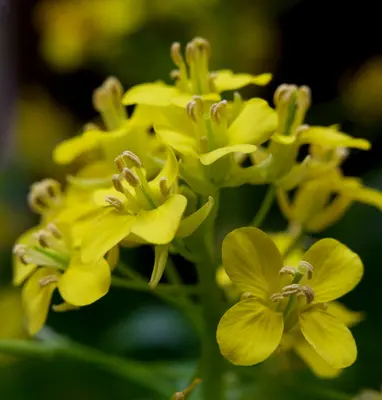
This beautiful, early, orange cauliflower holds well in the field. It becomes an even brighter orange when lightly cooked. Market Cheddar alongside other specialty varieties for an irresistible combination. Brighter orange, but less heat tolerant than Flame Star. Best for fall harvest, but can also be spring sown for a summer harvest.
Harvest
58d
Days to harvest
Sun
Full sun to partial shade
Zones
6–9
USDA hardiness
Height
10-24 inches
Planting Timeline
Showing dates for Cheddar in USDA Zone 7
All Zone 7 brassica →Zone Map
Click a state to update dates
Cheddar · Zones 6–9
Growing Details
Succession Planting
Cheddar produces one head per plant, so succession planting is the only way to get a rolling harvest rather than 30 heads maturing the same week. Start seeds indoors every 3 weeks from February through March for a spring run, targeting transplants in the ground from April into early May. Cut off the spring succession once daytime highs are consistently near 80°F — cauliflower heading stalls in heat and you'll get loose, ricey curds instead of tight ones.
For fall, count back 58 days from your first expected frost and work backward to a mid-July to early August indoor sow date, staggered 2–3 weeks apart. Fall heads tend to button up tighter and taste better than spring ones, so getting that timing dialed in is worth the effort.
Complete Growing Guide
This beautiful, early, orange cauliflower holds well in the field. It becomes an even brighter orange when lightly cooked. Market Cheddar alongside other specialty varieties for an irresistible combination. Brighter orange, but less heat tolerant than Flame Star. Best for fall harvest, but can also be spring sown for a summer harvest. According to Johnny's Selected Seeds, Cheddar is 58 days to maturity, annual, hybrid (f1).
Light: Full sun (6 or more hours of direct sunlight a day), Partial Shade (Direct sunlight only part of the day, 2-6 hours). Soil: Clay, Loam (Silt), Sand. Soil pH: Acid (<6.0), Neutral (6.0-8.0). Drainage: Good Drainage, Moist. Height: 0 ft. 10 in. - 2 ft. 0 in.. Spread: 1 ft. 0 in. - 2 ft. 0 in.. Spacing: 12 inches-3 feet. Growth rate: Medium. Maintenance: Medium. Propagation: Seed, Stem Cutting. Regions: Coastal, Mountains, Piedmont.
Harvesting
Cheddar reaches harvest at 58 days from sowing per Johnny's Selected Seeds. As an annual, harvest continues until frost ends the season.
The fruits dry and split when ripe.
Color: Brown/Copper, Green. Type: Siliqua. Length: > 3 inches.
Garden value: Edible
Harvest time: Fall, Summer
Edibility: The foliage is edible raw or cooked but when cooked can emit an unpleasant odor.
Storage & Preservation
Cheddar cauliflower keeps best at 32–35°F with 95% humidity in a ventilated plastic bag or perforated container; avoid sealing tightly, which promotes rot. Expect 2–3 weeks of fresh storage under these conditions before yellowing and quality decline. Freezing is the most straightforward preservation method—blanch curds for 3 minutes, cool in ice water, drain thoroughly, and pack in freezer bags for up to 10 months. Cheddar's dense, compact head also freezes well without excessive moisture loss. For longer-term storage, consider fermenting: salt-pack the florets at 3–5% salinity and hold at cool cellar temperature for tangy, probiotic results. Drying is less practical due to moisture content but possible if you have adequate air circulation. The distinctive orange pigmentation holds better when frozen than in other preservation methods, so freezing best preserves both nutrition and the variety's signature color.
History & Origin
Cheddar is an F1 hybrid developed through controlled cross-pollination. Listed in the Johnny's Selected Seeds catalog.
Origin: W. Europe
Advantages
- +Vibrant orange color intensifies when lightly cooked for visual appeal
- +Early maturity at 58 days enables quick succession plantings
- +Holds well in field reducing harvest pressure and storage needs
- +Easy difficulty level makes it suitable for beginner growers
- +Excellent for fall harvest with option for spring sowing
Considerations
- -Less heat tolerant than Flame Star limits summer growing window
- -Brighter orange variety may appeal to niche markets only
- -Requires consistent moisture to prevent premature bolting or riciness
Companion Plants
Nasturtiums and marigolds pull the most weight near Cheddar cauliflower. Nasturtiums act as a trap crop for aphids — colonies pile onto them and leave the cauliflower alone long enough for you to spray the nasturtium or just yank it. Dense French marigold plantings have a documented suppressive effect on soil nematode populations, something NC State Extension specifically recommends for nematode-prone beds. Dill is worth direct-sowing between rows — it draws parasitic wasps that work through cabbage looper and aphid populations without you doing anything. Onions tucked at 6-inch spacing along the bed edge add a mild deterrent to cabbage moths and don't compete much for root space at that depth.
Fennel has no business near brassicas — it releases allelopathic compounds from its roots that stunt nearby vegetables, and cauliflower is not immune. Tomatoes are a different problem: they're heavy nitrogen feeders with a long season, and a plant still sizing up a curd in September doesn't need that competition two feet away.
Plant Together
Nasturtiums
Act as trap crops for aphids and flea beetles, protecting brassicas from pest damage
Marigolds
Repel cabbage worms, aphids, and other brassica pests with their strong scent
Dill
Attracts beneficial insects like parasitic wasps that control cabbage worms and aphids
Onions
Repel cabbage flies, aphids, and cabbage worms with their sulfur compounds
Lettuce
Provides ground cover and efficient space use without competing for nutrients
Spinach
Compatible root systems and similar growing conditions, maximizes garden space
Carrots
Deep taproot improves soil structure while not competing with shallow brassica roots
Thyme
Repels cabbage worms and flea beetles while attracting beneficial predatory insects
Keep Apart
Tomatoes
Compete for similar nutrients and may stunt brassica growth through allelopathic effects
Strawberries
Both are heavy feeders that compete for nutrients, leading to reduced yields
Fennel
Produces allelopathic compounds that inhibit growth of most brassicas
Nutrition Facts
Per 100g serving. % Daily Value based on 2,000 calorie diet. Source: USDA FoodData Central (FDC #747447)
Pests & Disease Resistance
Common Pests
Cabbage moths, flea beetles, aphids, cabbage loopers
Diseases
Clubroot, powdery mildew, black rot
Troubleshooting Cheddar
What you'll see, why it happens, and what to do about it.
White powdery coating on leaves, starting on upper surfaces around mid-season
Likely Causes
- Powdery mildew — a fungal disease that spreads via airborne spores in warm days with cool nights
- Overcrowded planting blocking airflow between heads
What to Do
- 1.Remove and trash (don't compost) the most heavily affected leaves
- 2.Space plants at least 18 inches apart so air can move through — crowded rows make this worse fast
- 3.Apply a potassium bicarbonate or neem-based spray at first sign; once it covers more than a third of the canopy you're managing, not curing
Plants wilting and yellowing despite adequate water; roots show swollen, distorted knobs when pulled
Likely Causes
- Clubroot (Plasmodiophora brassicae) — a soil-borne pathogen that can persist for up to 20 years in infected ground
- Acidic, poorly drained soil, which favors clubroot spore germination and spread
What to Do
- 1.Pull and bag the entire plant — roots and all — and put it in the trash, not the compost pile
- 2.Raise soil pH to 7.2 or above with lime; clubroot pressure drops significantly above that threshold
- 3.Rotate out of all brassicas (cabbage, kale, broccoli, turnips) for at least 3 seasons in that bed
Small ragged holes scattered across leaves within the first 2–3 weeks after transplant
Likely Causes
- Flea beetles (Phyllotreta spp.) — tiny, jumping beetles that riddle young transplants before plants can outgrow the damage
- Cabbage loopers (Trichoplusia ni) on older plants, which chew larger, more irregular openings
What to Do
- 1.Cover transplants immediately with row cover — flea beetles hit hardest in early spring when Cheddar is still getting established
- 2.For cabbage loopers, apply Bacillus thuringiensis (Bt) while caterpillars are small; it loses effectiveness on full-grown larvae
- 3.Check under leaves for looper eggs (pale, round, laid singly) and crush them before they hatch
Frequently Asked Questions
How long does it take to grow Cheddar cauliflower from seed to harvest?▼
Is Cheddar cauliflower good for beginners?▼
What does Cheddar cauliflower taste like?▼
When should I plant Cheddar cauliflower?▼
How much sun does Cheddar cauliflower need?▼
What spacing should I use when planting Cheddar cauliflower?▼
Zone-by-Zone Planting Calendar
| Zone | Indoor Start | Transplant | Direct Sow | Harvest |
|---|---|---|---|---|
| Zone 1 | April – May | June – July | June – July | July – September |
| Zone 2 | April – May | June – July | May – July | July – September |
| Zone 11 | January – January | January – February | January – February | February – December |
| Zone 12 | January – January | January – February | January – February | February – December |
| Zone 13 | January – January | January – February | January – February | February – December |
| Zone 3 | March – April | May – June | May – June | June – October |
| Zone 4 | March – April | May – June | April – June | June – October |
| Zone 5 | February – March | April – May | April – May | June – November |
| Zone 6 | February – March | April – May | April – May | May – November |
| Zone 7 | February – March | April – May | March – May | May – November |
| Zone 8 | January – February | March – April | March – April | April – December |
| Zone 9 | January – January | February – March | February – March | March – December |
| Zone 10 | January – January | February – March | January – March | March – December |
Growing Guides from Wind River Greens
Sources & References
External authority sources used in compiling this guide.
- BreederJohnny's Selected Seeds
- USDAUSDA FoodData Central
See the Methodology page for how this data is sourced, what's AI-assisted, and known limitations.