Freckles
Lactuca sativa 'Freckles'
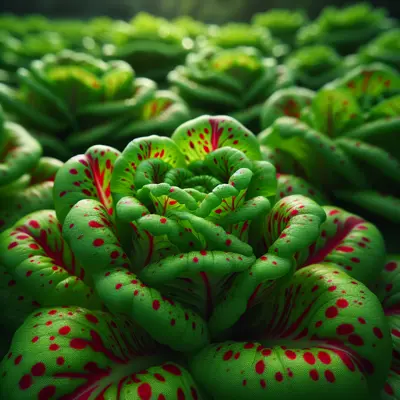
An eye-catching Austrian heirloom romaine lettuce adorned with distinctive red speckles scattered across bright green leaves like freckles on skin. This unique variety combines stunning visual appeal with excellent bolt resistance and sweet, tender flavor. A conversation starter that performs beautifully in both spring and fall gardens.
Harvest
55-60d
Days to harvest
Sun
Full sun to partial shade
Zones
2–11
USDA hardiness
Height
6-12 inches
Planting Timeline
Showing dates for Freckles in USDA Zone 7
All Zone 7 lettuce →Zone Map
Click a state to update dates
Freckles · Zones 2–11
Growing Details
Succession Planting
Direct sow Freckles every 14 days starting around March 1 in zone 7. Keep going through early May, then pause — once daytime highs are consistently hitting 80°F, lettuce bolts fast and turns bitter, sometimes within a week of the temperature crossing that threshold. Pick back up with sowings in late August and carry through mid-October; fall-grown lettuce tends to be sweeter than spring anyway, partly because slower cell growth concentrates sugars. In zones 8 and warmer, that summer gap stretches longer, and fall is really the primary season.
Each planting gives you a 55-60 day window before the heads peak, so staggering by 14 days means you're not drowning in lettuce one week and out of it the next. A 3-foot row per sowing is plenty for most households. Thin to 6-8 inches and eat the thinnings as baby leaf — no reason to trash them.
Complete Growing Guide
This Austrian heirloom performs best when direct seeded in cool-season windows—early spring through late summer for fall harvest—since transplanting can trigger premature bolting in mature seedlings. Plant in partial shade during hot spells to extend your harvest window beyond the typical 55-60 day timeline. While 'Freckles' demonstrates excellent bolt resistance compared to standard romaines, inconsistent watering stress accelerates flowering, so maintain even soil moisture rather than the feast-or-famine approach many gardeners use. The red speckled pigmentation intensifies under cooler temperatures and moderate light, making fall plantings visually superior to spring crops. Watch for slugs and earwigs, which are attracted to the tender leaf texture; copper tape or hand-picking at dusk reduces pressure without chemicals. One underutilized trick: thin seedlings aggressively to 8-10 inches apart initially—this improved air circulation minimizes fungal issues that can mar the attractive foliage before harvest.
Light: Full sun (6 or more hours of direct sunlight a day), Partial Shade (Direct sunlight only part of the day, 2-6 hours). Soil: High Organic Matter. Soil pH: Neutral (6.0-8.0). Drainage: Good Drainage, Moist. Height: 0 ft. 6 in. - 1 ft. 0 in.. Spread: 0 ft. 6 in. - 1 ft. 0 in.. Spacing: Less than 12 inches. Growth rate: Rapid. Maintenance: Medium. Propagation: Seed. Regions: Coastal, Mountains, Piedmont.
Harvesting
Harvest Freckles lettuce when the rosette reaches 6–12 inches tall and the red speckles deepen in color intensity, signaling peak maturity and sugar concentration. The leaves should feel crisp and snap cleanly when gently bent, while the head remains firm but not dense or woody. For continuous harvests, pinch outer leaves from the base once the plant establishes six true leaves, encouraging sustained production through cooler seasons. For a full-head harvest, cut the entire plant at soil level in early morning when leaves are fully hydrated and crisp, typically 55–60 days from transplant. Time your main harvest before temperatures consistently exceed 75°F to prevent bolting and preserve the sweet, tender texture this heirloom variety is prized for.
Tiny seeds with a dandelion-like tuft (pappus) to aid in wind dispersal.
Color: Brown/Copper. Type: Achene. Length: < 1 inch. Width: < 1 inch.
Harvest time: Summer
Edibility: Leaves can be used raw or cooked in salads, sandwiches, and other dishes. Head lettuce can be stored for 2-3 weeks while leaf and butterhead store for 1-2 weeks.
Storage & Preservation
Store freshly harvested Freckles lettuce in the refrigerator crisper drawer at 32-36°F with high humidity. Wrap heads loosely in damp paper towels, then place in perforated plastic bags to maintain moisture while preventing condensation buildup. Properly stored heads last 7-10 days, while individual leaves keep for 3-5 days.
For preservation, Freckles is best enjoyed fresh as its crisp texture doesn't survive traditional preservation methods well. However, you can dehydrate outer leaves at 95°F for 6-8 hours to create crispy salad toppers or blend into green powder for smoothies. Quick-pickle baby leaves in rice vinegar for 24 hours for a unique salad component. Avoid freezing as the high water content results in mushy, unusable greens.
History & Origin
This Austrian heirloom romaine lettuce emerged from central European seed-saving traditions, where distinctive leaf patterns have long been valued in kitchen gardens. Like many heirloom varieties, detailed documentation of its specific breeder and introduction date remains sparse, typical of vegetables that spread through regional seed networks rather than formal breeding programs. The variety appears to belong to the broader lineage of speckled and colored romaine lettuces developed throughout Austria and neighboring Alpine regions, where gardeners selected for both ornamental appeal and culinary merit. Its characteristics reflect generations of folk selection favoring bolt resistance and sweet flavor alongside the striking red freckling that distinguishes it from standard green romaines. The variety likely gained modern seed company distribution through the broader heirloom vegetable revival of the late twentieth century.
Origin: Mediterranean to Siberia
Advantages
- +Stunning red speckles make Freckles visually striking and conversation-worthy in gardens
- +Excellent bolt resistance allows reliable harvesting across spring and fall seasons
- +Sweet, tender flavor profile appeals to fresh salads and picky eaters
- +Moderate difficulty makes this Austrian heirloom accessible to most home gardeners
- +Ready to harvest in just 55-60 days for relatively quick turnover
Considerations
- -Susceptible to lettuce mosaic virus which can devastate entire plantings
- -Prone to aphid infestations requiring vigilant monitoring and pest management
- -Bottom rot disease thrives in overly moist soil conditions
- -Leaf miners and slugs can mar the striking red speckled appearance
Companion Plants
Radishes are the most practical companion here — they germinate in 5-7 days and you can pull them well before they compete for the 6-8 inches of space Freckles needs. More usefully, radishes draw flea beetles away from lettuce leaves. Chives and garlic work on a different mechanism: their sulfur compounds confuse aphids (Myzus persicae specifically), which matters because aphids are the primary vector for lettuce mosaic virus. Neither crowds a shallow-rooted lettuce, and garlic tops out around 12-18 inches, so shading isn't a concern. Nasturtiums are worth tucking nearby as a trap crop — aphids pile onto them first, and you can knock the population back on the nasturtiums before it drifts to your lettuce.
Carrots and parsley make decent neighbors because their roots run deeper than lettuce's shallow feeders, and both are cool-season crops that don't compete for light on the same calendar. Marigolds — specifically Tagetes patula, French marigold — do suppress soil nematodes, though that benefit accumulates over a full season, not a single planting.
Fennel is a different story. It produces allelopathic root exudates that stunt most vegetables around it, and lettuce reacts badly — expect slow, undersized heads if they're planted within a few feet of each other. Sunflowers aren't chemically antagonistic, but a 6-12 inch lettuce planted anywhere in their shadow will stretch and thin out fast. If you're growing both, put sunflowers on the north side of the bed so they don't track shade across the lettuce during the day.
Plant Together
Chives
Repels aphids and improves lettuce flavor
Carrots
Loose soil from carrot roots benefits shallow lettuce roots
Radishes
Quick-growing radishes break up soil and can be harvested before lettuce needs space
Marigolds
Repel aphids, whiteflies, and other pests that damage lettuce
Spinach
Similar growing requirements and can provide mutual shade in hot weather
Garlic
Natural pest deterrent that repels aphids and slugs
Nasturtiums
Act as trap crop for aphids and cucumber beetles
Parsley
Attracts beneficial insects and doesn't compete for nutrients
Keep Apart
Broccoli
Large leaves create too much shade and compete for nutrients
Fennel
Inhibits growth of most garden plants through allelopathy
Sunflowers
Tall growth creates excessive shade and competes heavily for water and nutrients
Nutrition Facts
Per 100g serving. % Daily Value based on 2,000 calorie diet. Source: USDA FoodData Central (FDC #2346388)
Pests & Disease Resistance
Resistance
Good bolt resistance, moderate disease tolerance
Common Pests
Aphids, leaf miners, slugs, snails
Diseases
Downy mildew, lettuce mosaic virus, bottom rot
Troubleshooting Freckles
What you'll see, why it happens, and what to do about it.
Seedlings collapse at soil level within the first 1-2 weeks after direct sowing or transplanting
Likely Causes
- Damping off — a fungal complex (commonly Pythium or Rhizoctonia solani) that thrives in cold, wet, poorly drained soil
- Overwatering or planting too early when soil temps are below 40°F
What to Do
- 1.Don't replant into the same spot immediately — let the bed dry out, then amend with compost to improve drainage
- 2.Water in the morning so the soil surface dries before nightfall; cut back to every other day if the bed stays wet
- 3.Start fresh seedlings in a clean tray with sterile seed-starting mix rather than garden soil, and wait for soil temps to hit at least 45°F before putting them out
White to pale gray fuzzy coating on the undersides of leaves, with yellow patches visible on the upper surface
Likely Causes
- Downy mildew (Bremia lactucae) — an oomycete that spreads fast in cool, humid conditions with poor air circulation
- Crowded spacing that traps moisture between plants
What to Do
- 1.Pull and trash (don't compost) badly affected leaves or whole plants
- 2.Space plants at least 6-8 inches apart and thin hard — airflow matters more than yield at this point
- 3.Avoid overhead watering; switch to drip or water at the base
Leaves show mosaic-pattern mottling — irregular light and dark green patches — with some puckering or distortion
Likely Causes
- Lettuce mosaic virus (LMV), transmitted by aphids (especially Myzus persicae, the green peach aphid)
- Infected transplants or nearby weed hosts carrying the virus into the bed
What to Do
- 1.Pull infected plants immediately — there's no cure, and aphids will spread it to healthy plants within hours
- 2.Control aphid populations with a strong water spray or insecticidal soap; check the undersides of leaves where they congregate
- 3.Source seed from a reputable supplier that tests for LMV — seed transmission is a documented pathway with this virus
Outer or lower leaves develop slimy, brown rot at the base of the plant, sometimes with a foul smell
Likely Causes
- Bottom rot (Rhizoctonia solani) — a soil-borne fungus that hits hardest in warm, wet conditions above 65°F
- Planting too deep or mulch packed directly against the stem
What to Do
- 1.Remove affected plants entirely and dispose of them — Rhizoctonia persists in soil and organic debris
- 2.Keep mulch pulled back an inch or two from the base of each plant
- 3.Rotate lettuce out of that bed for at least one season; bottom rot pressure builds when you plant the same family repeatedly in the same spot
Frequently Asked Questions
How long does Freckles lettuce take to grow from seed?▼
Can you grow Freckles lettuce in containers?▼
Is Freckles lettuce good for beginners?▼
What does Freckles lettuce taste like compared to regular romaine?▼
When should I plant Freckles lettuce for best results?▼
Why are my Freckles lettuce leaves losing their red speckles?▼
Zone-by-Zone Planting Calendar
| Zone | Indoor Start | Transplant | Direct Sow | Harvest |
|---|---|---|---|---|
| Zone 3 | — | — | May – June | June – October |
| Zone 4 | — | — | April – June | June – October |
| Zone 5 | — | — | April – May | June – November |
| Zone 6 | — | — | April – May | May – November |
| Zone 7 | — | — | March – May | May – November |
| Zone 8 | — | — | March – April | April – December |
| Zone 9 | — | — | February – March | March – December |
| Zone 10 | — | — | January – March | March – December |
| Zone 1 | — | — | June – July | July – September |
| Zone 2 | — | — | May – July | July – September |
| Zone 11 | — | — | January – February | February – December |
| Zone 12 | — | — | January – February | February – December |
| Zone 13 | — | — | January – February | February – December |
Growing Guides from Wind River Greens
Sources & References
External authority sources used in compiling this guide.
See the Methodology page for how this data is sourced, what's AI-assisted, and known limitations.