Hairy Alumroot
Heuchera villosa
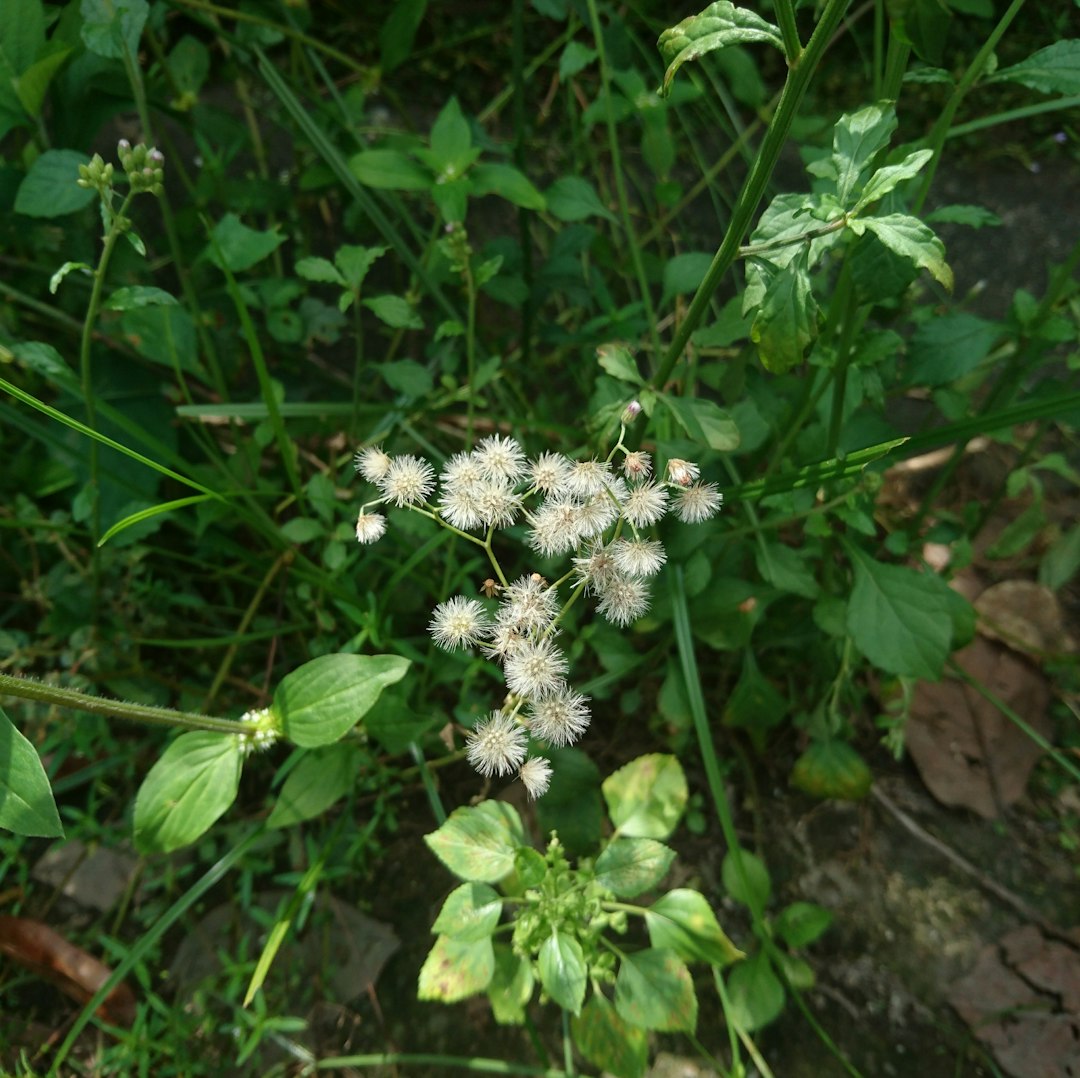
Hairy Alumroot (Heuchera villosa) is a perennial native wildflower. Hardy in USDA zones 3 to 8.
Sun
Partial shade
Zones
3–8
USDA hardiness
Height
8-32 inches
Planting Timeline
Showing dates for Hairy Alumroot in USDA Zone 7
All Zone 7 native-wildflower →Zone Map
Click a state to update dates
Hairy Alumroot · Zones 3–8
Growing Details
Complete Growing Guide
Light: Dappled Sunlight (Shade through upper canopy all day), Partial Shade (Direct sunlight only part of the day, 2-6 hours). Soil: High Organic Matter. Soil pH: Acid (<6.0), Alkaline (>8.0), Neutral (6.0-8.0). Drainage: Good Drainage, Moist. Height: 0 ft. 8 in. - 2 ft. 8 in.. Spread: 1 ft. 6 in. - 2 ft. 0 in.. Maintenance: Low. Propagation: Division. Regions: Coastal, Mountains, Piedmont.
Harvesting
In North Carolina, the fruits are available from July to November.
Type: Capsule. Width: < 1 inch.
Harvest time: Fall, Summer
Storage & Preservation
Hairy Alumroot is an ornamental wildflower primarily grown for foliage and flowers rather than harvesting. If cutting fresh flowers or foliage for arrangements, store in a cool location (50-65°F) in a vase with fresh water, which keeps stems viable for 1-2 weeks. For dried preservation, hang-dry flower stalks in a warm, well-ventilated space (70-75°F, low humidity) for 2-3 weeks to preserve for floral crafts. Alternatively, press foliage and flowers between paper under weight for 1-2 weeks to create botanical specimens for herbals or decorative use.
History & Origin
Origin: Eastern United States - native from New York to northern Georgia
Advantages
- +Hairy Alumroot's fuzzy foliage adds unique texture to shaded gardens year-round.
- +Produces delicate pink or white flowers that attract hummingbirds and pollinators reliably.
- +Thrives in dry shade where many perennials struggle, requiring minimal supplemental water.
- +Hardy across cold zones 3-8, making it suitable for most North American climates.
- +Once established, needs little maintenance beyond occasional deadheading for extended bloom.
Considerations
- -Susceptible to powdery mildew in humid climates without adequate air circulation.
- -Prefers well-draining soil and tolerates poor drainage poorly, causing root rot easily.
- -Slow to establish and fill in during first growing season after planting.
Companion Plants
Wild Ginger and Ferns are the most practical neighbors for Hairy Alumroot. All three occupy the shade understory, share a preference for slightly acidic, well-drained soil, and none are aggressive enough to muscle the others out. Hostas and Lungwort fill similar ecological roles — moderate water needs, wide shallow root systems — so competition stays minimal. Astilbe earns a spot for a different reason: its plumes rise to 24–36 inches and add vertical contrast without casting enough shade to suppress Heuchera foliage at the 8-to-18-inch range where it lives.
Black Walnut is the one genuine threat. It releases juglone through decomposing roots and leaf litter, and Heuchera is sensitive enough that proximity alone can cause gradual decline — yellowing, stunted new growth, eventual dieback — with no other obvious cause. Dense groundcovers like Pachysandra or English Ivy are a slower problem: they creep into the crown, trap moisture against the base, and create the exact conditions that set off Phytophthora rot. Sun-loving annuals are simply a mismatch in water and light needs; plant them nearby and you'll be fighting two incompatible regimes in one bed.
Plant Together
Wild Ginger
Shares similar shade and moisture requirements, creates complementary ground cover
Coral Bells
Similar growing conditions and bloom times, both attract beneficial pollinators
Astilbe
Thrives in same partial shade conditions, adds contrasting texture and height
Hostas
Provides protective shade canopy, shares preference for moist, well-draining soil
Ferns
Creates natural woodland understory environment, similar moisture needs
Wild Columbine
Both native woodland plants with complementary bloom periods and pollinator attraction
Trillium
Shares native woodland habitat preferences and soil conditions
Lungwort
Similar shade tolerance and early bloom time, attracts same beneficial insects
Keep Apart
Black Walnut
Produces juglone toxin that inhibits growth of many understory plants
Dense Groundcovers
Aggressive spreaders like vinca or pachysandra compete for space and nutrients
Sun-loving Annuals
Marigolds and zinnias require different light conditions and may struggle in same location
Troubleshooting Hairy Alumroot
What you'll see, why it happens, and what to do about it.
Leaves developing powdery white coating, mostly on upper surface, mid to late summer
Likely Causes
- Powdery mildew (Erysiphe or Golovinomyces spp.) — thrives in warm days with cool nights and poor airflow
- Overcrowding at less than 18-inch spacing, trapping humidity around the foliage
What to Do
- 1.Thin or divide clumps that have spread beyond 24 inches to restore airflow
- 2.Apply a diluted neem oil spray (2 tsp per quart of water) every 7-10 days until symptoms stop spreading
- 3.Switch to drip irrigation or water at the base in the morning — overhead watering keeps the foliage wet and makes things worse
Crown rotting at soil level, plant collapsing or pulling free of ground with almost no root resistance
Likely Causes
- Crown rot from Phytophthora or Pythium spp. — almost always triggered by soil that stays waterlogged between waterings
- Heuchera crowns naturally push upward over years, but planting too deep at the outset smothers them and invites fungal entry
What to Do
- 1.Plant with the crown at or just slightly above soil level — never bury it
- 2.Amend heavy clay beds with coarse grit or perlite before planting; Heuchera villosa handles dry spells far better than wet feet
- 3.If rot is caught early, dig the plant, cut away all blackened tissue with a clean knife, dust the wound with sulfur powder, and replant in a better-draining spot
Frequently Asked Questions
Is Hairy Alumroot a good wildflower for beginners?▼
Can you grow Hairy Alumroot in containers?▼
When should I plant Hairy Alumroot?▼
How long does it take Hairy Alumroot to mature?▼
What are the flowers of Hairy Alumroot like?▼
Is Hairy Alumroot drought-tolerant once established?▼
Zone-by-Zone Planting Calendar
Growing Guides from Wind River Greens
Sources & References
External authority sources used in compiling this guide.
- ExtensionNC State Extension
See the Methodology page for how this data is sourced, what's AI-assisted, and known limitations.