Endless Summer Hydrangea
Hydrangea macrophylla 'Bailmer'
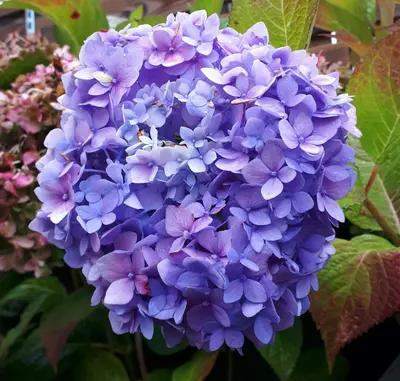
The breakthrough hydrangea that blooms on both old and new wood, ensuring spectacular flower displays even after harsh winters. This reblooming marvel produces large mophead flowers that can be blue, pink, or purple depending on soil pH, creating a stunning focal point from early summer through fall. Perfect for gardeners who thought hydrangeas were too finicky for their climate.
Sun
Partial shade
Zones
6–11
USDA hardiness
Height
3-6 feet
Planting Timeline
Showing dates for Endless Summer Hydrangea in USDA Zone 7
All Zone 7 shrub →Zone Map
Click a state to update dates
Endless Summer Hydrangea · Zones 6–11
Growing Details
Complete Growing Guide
This cultivar's defining trait is its bimorph flowering habit, blooming on both previous season's wood and new growth, which means you can prune in early spring without sacrificing summer flowers—a game-changer for cold climates. Plant in afternoon shade with rich, moist soil amended with peat moss to enhance blue coloring in acidic conditions or add lime for pink tones. Endless Summer demands consistent moisture during establishment and blooming but abhors waterlogged roots; mulch heavily to regulate soil temperature and retain moisture. The variety shows moderate susceptibility to powdery mildew in humid conditions, so ensure adequate air circulation and avoid overhead watering. One practical advantage: deadhead spent flowers regularly throughout summer to trigger continuous reblooming, extending your display well into fall. Unlike traditional hydrangeas, this cultivar tolerates light spring pruning without penalty, making it forgiving for zone boundary gardeners.
Light: Dappled Sunlight (Shade through upper canopy all day), Deep shade (Less than 2 hours to no direct sunlight), Partial Shade (Direct sunlight only part of the day, 2-6 hours). Soil: Clay, High Organic Matter, Loam (Silt), Sand. Soil pH: Acid (<6.0), Alkaline (>8.0), Neutral (6.0-8.0). Drainage: Good Drainage, Occasionally Wet. Height: 3 ft. 0 in. - 6 ft. 0 in.. Spread: 3 ft. 0 in. - 6 ft. 0 in.. Spacing: 3 feet-6 feet. Growth rate: Rapid. Maintenance: Low. Propagation: Layering, Leaf Cutting, Stem Cutting. Regions: Coastal, Mountains, Piedmont.
Harvesting
Harvest Endless Summer hydrangea flowers when the petals feel papery and slightly crisp rather than succulent, and the flower head has achieved full size with densely packed florets showing rich, saturated color. Peak readiness typically occurs in mid to late summer once blooms have matured for at least two weeks after opening. Unlike single-blooming hydrangeas, this cultivar's reblooming habit allows for multiple harvests throughout the season—cut spent flowers regularly to encourage continuous flowering, or leave later blooms on the plant through fall for extended garden color. For longest vase life, cut stems in early morning when plant tissues are fully hydrated, selecting stems with at least two or three leaf nodes below the cut to support regrowth and subsequent flower production.
cup-like capsule
Type: Capsule.
Harvest time: Fall
Storage & Preservation
Endless Summer Hydrangeas are ornamental shrubs, not harvested for storage. For cut flowers, place freshly cut stems in cool water (65-72°F) immediately. Store in a cool room away from direct sunlight and ripening fruit. Mist regularly to maintain humidity and prevent wilting. Cut flowers last 7-14 days when properly hydrated. Preservation methods include: (1) Drying flowers by hanging bundles upside-down in a dark, dry location for 3-4 weeks; (2) Pressing flowers between parchment paper under weight; (3) Preserving in glycerin solution for extended color retention and flexibility.
History & Origin
The Endless Summer Hydrangea was developed by Bailey Nurseries and introduced in 2003, representing a significant breakthrough in hydrangea breeding. This cultivar emerged from breeding programs focused on creating remontant varieties—plants capable of blooming on both old and new wood. By crossing Hydrangea macrophylla with genetics selected for continuous flowering characteristics, breeders successfully created a plant that flowers reliably even after winter damage kills back previous season's growth. The innovation addressed a primary frustration among gardeners in colder climates who struggled with traditional hydrangeas that bloomed only on protected old wood. The introduction of Endless Summer marked a turning point in ornamental hydrangea popularity, as it made these prized flowering shrubs accessible to a much wider geographic range.
Origin: Japan, China, Korea and Southeast Asia;
Advantages
- +Blooms on old and new wood, guaranteeing flowers after winter frost damage
- +Large mophead flowers provide dramatic garden focal points from summer through fall
- +Soil pH flexibility allows blue, pink, or purple flower color customization
- +Reblooming habit extends flowering season much longer than traditional hydrangeas
Considerations
- -Susceptible to powdery mildew, leaf spot, and botrytis blight in humid conditions
- -Attracts aphids, spider mites, and scale insects requiring regular pest monitoring
- -Requires moderate care and consistent watering to maintain optimal bloom production
Companion Plants
Hostas, ferns, and Astilbe are the workhorses here — they share the same preference for dappled shade and moderate moisture, so they're not fighting the hydrangea for water or root space, and their lower spreading habits fill the ground plane without crowding the shrub's base. Heuchera and Japanese Painted Fern add fine-textured contrast to the large mophead blooms. In zone 7 Georgia, Caladiums pull double duty as seasonal gap-fillers from May through September. Keep this well away from Black Walnut; the roots release juglone, a compound that disrupts cellular respiration in many broadleaf shrubs, and Hydrangea macrophylla is sensitive enough that even planting on the outer edge of the canopy drip line is a gamble.
Plant Together
Hostas
Similar shade and moisture requirements, complementary foliage textures
Astilbe
Thrives in similar acidic, moist soil conditions and partial shade
Ferns
Compatible moisture needs and creates layered woodland garden aesthetic
Azaleas
Both prefer acidic soil and benefit from similar fertilization schedule
Heuchera
Enjoys similar growing conditions and provides attractive ground cover
Japanese Painted Fern
Complementary silver foliage contrasts beautifully with hydrangea blooms
Impatiens
Thrives in shade with consistent moisture, extends bloom season
Caladiums
Colorful foliage complements hydrangea flowers in shaded areas
Keep Apart
Black Walnut Tree
Produces juglone which is toxic to hydrangeas and inhibits growth
Eucalyptus
Allelopathic compounds suppress hydrangea root development
Pine Trees
Excessive needle drop creates overly acidic soil and competes for moisture
Pests & Disease Resistance
Resistance
Good resistance to most hydrangea diseases
Common Pests
Aphids, spider mites, scale insects
Diseases
Powdery mildew, leaf spot, botrytis blight
Troubleshooting Endless Summer Hydrangea
What you'll see, why it happens, and what to do about it.
White powdery coating on upper leaf surfaces, usually showing up mid-summer when nights cool down slightly
Likely Causes
- Powdery mildew (Erysiphe polygoni) — a fungal disease that thrives when days are warm and nights are humid but dry on the leaf surface
- Poor airflow from crowded planting or being tucked against a fence or wall
What to Do
- 1.Thin out any crossing branches to open up the center of the shrub — even a little airflow helps a lot
- 2.Spray with a potassium bicarbonate solution or neem oil at dusk; don't apply in full afternoon sun or you'll burn the leaves
- 3.Next time you plant, keep at least 4 feet between this and neighboring shrubs
Flower color shifting from blue to pink or washed-out purple mid-season despite no change in care
Likely Causes
- Soil pH creeping above 6.2 — aluminum availability drops as pH rises, which is what drives blue pigmentation in Hydrangea macrophylla
- Lime leaching from a nearby concrete foundation or sidewalk, raising pH in that localized pocket of soil
What to Do
- 1.Test your soil pH with a meter or a basic kit from the extension office — don't guess
- 2.To push blue, apply aluminum sulfate at the rate on the package (usually 1 tablespoon per gallon of water, applied monthly through spring) and keep pH between 5.2 and 5.5
- 3.If you want consistent color, site the plant at least 3 feet away from any concrete structure
Sticky residue on leaves and stems, often with a trail of ants, and new growth looking puckered or distorted
Likely Causes
- Aphid infestation (commonly Aphis gossypii or Macrosiphum euphorbiae) — they cluster on new growth and excrete honeydew, which the ants are farming
- Scale insects, which hide under waxy shells along the stems and cause the same slow decline
What to Do
- 1.Knock aphids off with a strong stream of water from a hose — do it in the morning so foliage dries before evening
- 2.For scale, scrub visible clusters off with a soft brush dipped in diluted insecticidal soap (about 2 tablespoons per quart of water)
- 3.Deal with the ants too — they actively protect aphid colonies from predators like lacewings and ladybugs, so leaving them alone undermines everything else you do