Red Turtlehead
Chelone obliqua
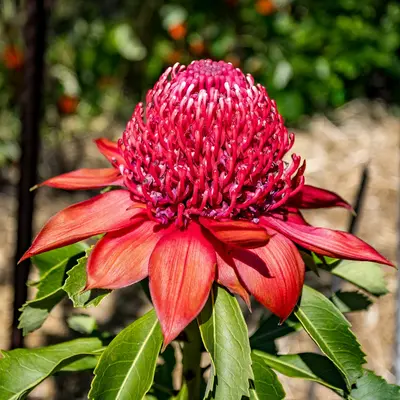
Red Turtlehead (Chelone obliqua) is a perennial native wildflower. Hardy in USDA zones 5 to 9. Prefers full sun.
Sun
Full sun to partial shade
Zones
5–9
USDA hardiness
Height
2-3 feet
Planting Timeline
Showing dates for Red Turtlehead in USDA Zone 7
All Zone 7 native-wildflower →Zone Map
Click a state to update dates
Red Turtlehead · Zones 5–9
Growing Details
Complete Growing Guide
Light: Dappled Sunlight (Shade through upper canopy all day), Full sun (6 or more hours of direct sunlight a day), Partial Shade (Direct sunlight only part of the day, 2-6 hours). Soil: Clay, High Organic Matter, Loam (Silt). Soil pH: Acid (<6.0). Drainage: Occasionally Wet. Height: 2 ft. 0 in. - 3 ft. 0 in.. Spread: 1 ft. 0 in. - 2 ft. 0 in.. Growth rate: Medium. Maintenance: Medium. Propagation: Division, Seed, Stem Cutting. Regions: Coastal, Mountains, Piedmont.
Harvesting
The fruit is dry and splits open when ripe. Matures from September to November.
Type: Capsule.
Harvest time: Fall
Storage & Preservation
Red Turtlehead flowers are primarily ornamental and not typically stored for consumption. For cut flowers, place stems in cool water immediately after harvesting, keeping them in a cool location (50-60°F) with moderate humidity. Cut arrangements last 7-10 days. For seed preservation, allow flower heads to dry completely on the plant in late summer, then collect and store seeds in a cool, dry place in airtight containers at 35-40°F for up to 2 years. Dried seed heads can also be preserved for decorative purposes by air-drying in a cool, well-ventilated area.
History & Origin
Origin: Southeastern U.S.A.
Advantages
- +Attracts: Butterflies, Hummingbirds, Pollinators
Companion Plants
The moisture-loving companions in this list — Astilbe, Cardinal Flower (Lobelia cardinalis), Monkey Flower, Jewelweed, and Great Blue Lobelia — work well with Red Turtlehead for a straightforward reason: they all want wet feet. Grouping them means you're not fighting your garden's wet spots; you're building a planting that actually belongs there. Ferns fill the same niche and do double duty by masking the bare lower stems Chelone tends to develop by late summer. Wild Ginger spreads as a low groundcover underneath, suppressing weeds without competing for vertical space or the consistent moisture Chelone needs.
The harmful companions are problems for different reasons. Black walnut produces juglone, a root-inhibiting compound that moves through the soil and can stunt or kill many perennials — Chelone is sensitive enough that even planting within the canopy's drip line is a risk. Mint is a different kind of problem: it spreads by runners and will physically muscle out a clump-former like Turtlehead within a season or two. Eucalyptus releases allelopathic compounds through its leaf litter that suppress neighboring plants' germination and root development.
Plant Together
Wild Ginger
Thrives in similar moist, shaded conditions and provides complementary groundcover
Astilbe
Shares preference for moist soil and partial shade, creates layered garden texture
Cardinal Flower
Both attract hummingbirds and prefer wet to moist soils in similar habitats
Monkey Flower
Compatible moisture requirements and both support native pollinators
Great Blue Lobelia
Similar wetland habitat preferences and complementary blue-purple flower colors
Jewelweed
Naturally occurs in same moist woodland edges and stream banks
Ferns
Create ideal understory companions in moist, shaded native plant gardens
Wild Columbine
Both are native woodland plants that attract similar beneficial insects
Keep Apart
Black Walnut
Produces juglone which is toxic to many plants including most wildflowers
Mint
Aggressive spreading habit can overwhelm and outcompete native wildflowers
Eucalyptus
Allelopathic properties inhibit growth of native plants and alter soil chemistry
Troubleshooting Red Turtlehead
What you'll see, why it happens, and what to do about it.
Powdery white coating on leaves in mid to late summer, spreading from older growth toward new tips
Likely Causes
- Powdery mildew (Erysiphe or Golovinomyces spp.) — common on Chelone in humid conditions with poor airflow
- Planting too close together, blocking air circulation between stems
What to Do
- 1.Cut affected stems back by a third and dispose of the clippings — don't compost them
- 2.Space plants at least 18 inches apart; if they're already crowded, thin aggressively in spring
- 3.Apply a diluted neem oil spray (2 tbsp per gallon of water) every 7–10 days during humid stretches
Stunted new growth, distorted or cupped leaves, sticky residue on stems in spring
Likely Causes
- Aphid colonies (likely Aphis or Myzus spp.) clustering on new growth as temperatures warm above 60°F
- Ants farming aphids on the plant, protecting them from natural predators
What to Do
- 1.Knock aphids off with a firm blast from a hose — do this in the morning so the foliage dries before evening
- 2.If the infestation is heavy, spray insecticidal soap directly on the colonies, coating the undersides of leaves
- 3.Check for ant trails up the stem; banding the base with a sticky barrier (Tanglefoot) stops ants from running interference for the aphids
Frequently Asked Questions
When should I plant Red Turtlehead in my garden?▼
How long does Red Turtlehead take to germinate?▼
Can you grow Red Turtlehead in containers?▼
Is Red Turtlehead a good wildflower for beginners?▼
What does Red Turtlehead attract to my garden?▼
How far apart should I space Red Turtlehead plants?▼
Zone-by-Zone Planting Calendar
Growing Guides from Wind River Greens
Sources & References
External authority sources used in compiling this guide.
- ExtensionNC State Extension
See the Methodology page for how this data is sourced, what's AI-assisted, and known limitations.