Dwarf Cavendish Banana
Musa acuminata 'Dwarf Cavendish'
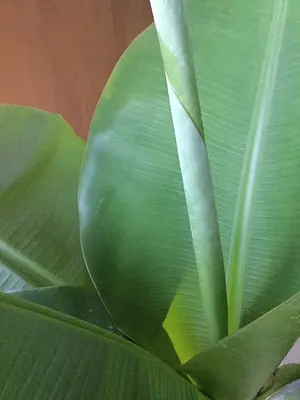
The most popular dwarf banana variety for home growers, producing full-sized sweet bananas on a compact 4-6 foot plant. This remarkable variety can fruit indoors in containers or outdoors in warm climates, making homegrown bananas accessible to gardeners everywhere. The same delicious variety found in grocery stores, but incredibly fresh and flavorful when tree-ripened.
Harvest
300-450d
Days to harvest
Sun
Full sun to partial shade
Zones
10–11
USDA hardiness
Height
12-20 feet
Planting Timeline
Showing dates for Dwarf Cavendish Banana in USDA Zone 10
All Zone 10 tropical →Zone Map
Click a state to update dates
Dwarf Cavendish Banana · Zones 10–11
Growing Details
Complete Growing Guide
Unlike standard tropical bananas, Dwarf Cavendish reaches maturity in 300-450 days and requires consistent warmth above 60°F to prevent stunted growth and delayed flowering. This cultivar is particularly prone to Panama disease and leaf spot in humid conditions, so ensure excellent air circulation and avoid overhead watering. While marketed as "dwarf," plants often stretch beyond their 4-6 foot expectation indoors without sufficient bright light, making placement near south-facing windows essential. The variety's heavy fruit production means supporting developing bunches with soft ties once they emerge to prevent branch breakage. For best results, maintain soil moisture during the growing season but allow slight drying between waterings, and feed monthly with balanced fertilizer once flowering begins to maximize those grocery-store-quality bananas.
Light: Full sun (6 or more hours of direct sunlight a day), Partial Shade (Direct sunlight only part of the day, 2-6 hours). Soil: Clay, High Organic Matter, Loam (Silt), Sand. Drainage: Good Drainage, Moist. Height: 12 ft. 0 in. - 20 ft. 0 in.. Spread: 6 ft. 0 in. - 10 ft. 0 in.. Growth rate: Rapid. Maintenance: Medium. Propagation: Seed.
Harvesting
Dwarf Cavendish bananas are ready to harvest when the fruit transitions from deep green to yellow-green with slight ridging visible on the skin, indicating sugar development has peaked. Unlike single-harvest plants, Dwarf Cavendish produces multiple fruiting cycles throughout the growing season in ideal conditions, allowing successive harvests from the same plant. Gently squeeze individual fingers—they should yield slightly to pressure but remain firm, signaling optimal sweetness. Harvest the entire hand when the largest bananas show this color shift, as remaining fruit ripens simultaneously once cut. A critical timing tip: pick Dwarf Cavendish bananas 3-5 days before they fully yellow for indoor ripening, which concentrates flavors and extends storage life compared to tree-ripened fruit.
An elongated, peelable fruit with creamy flesh. Many commercial cultivars are often bred to be seedless.
Color: Black, Brown/Copper, Gold/Yellow, Green, Red/Burgundy. Type: Berry. Length: > 3 inches. Width: 1-3 inches.
Garden value: Edible, Showy
Storage & Preservation
Store freshly harvested bunches in a cool, well-ventilated area at 56–68°F with moderate humidity to slow ripening. Keep them upright to prevent bruising, and separate individual fingers once they begin to yellow. Fresh fruit lasts 5–7 days at room temperature once ripe, or up to two weeks if refrigerated at peak ripeness—the peel will darken, but the flesh remains good. Freezing is ideal for smoothies and baking; peel and slice before freezing on a tray, then transfer to bags. Dried banana chips preserve well in airtight containers for several months. Dwarf Cavendish's dense, creamy texture freezes exceptionally well without becoming grainy, making it superior to taller varieties for long-term frozen storage.
History & Origin
The Dwarf Cavendish banana emerged as a mutation of the standard Cavendish variety, which itself became the dominant commercial banana in the mid-20th century after Panama disease decimated the earlier Gros Michel cultivar. While specific breeding documentation is sparse, the dwarf form likely arose through natural or induced mutation selection rather than deliberate cross-breeding, a common pathway for banana cultivar development. The variety gained prominence in home gardening during the late 20th century as nurseries recognized its compact stature made it suitable for container cultivation and temperate indoor growing. Its genetic material traces directly to *Musa acuminata*, the wild progenitor of most modern edible bananas, maintaining the same sweet flavor profile as its larger Cavendish parent while dramatically reducing space requirements.
Origin: Southeast Asia, India, Indonesia
Advantages
- +Compact 4-6 foot height perfect for small spaces and containers
- +Produces full-sized sweet bananas identical to grocery store quality
- +Can fruit indoors in containers or outdoors in warm climates
- +Tree-ripened fruit offers superior flavor compared to store-bought bananas
- +Moderate difficulty makes home banana growing accessible to most gardeners
Considerations
- -Vulnerable to Panama disease and black sigatoka fungal infections
- -Requires 300-450 days to produce fruit, demanding significant patience
- -Susceptible to multiple pests including spider mites and mealybugs
- -Needs warm tropical conditions or indoor growing setup year-round
Companion Plants
Ginger and turmeric are the most practical companions for bananas — both are low-growing, handle the partial shade the canopy throws once the plant hits 12 feet, and their root systems stay shallow enough that they're not fighting the banana for the same resources. Comfrey planted at the drip line pays dividends too: cut it back every 3-4 weeks and drop the leaves at the base as mulch, and you've got a steady supply of potassium-rich biomass without buying a bag of fertilizer. French marigold (Tagetes patula) pulls its weight against root-knot nematodes — a genuine headache in the sandy loam soils common across much of the Southeast — so tuck a row of those in wherever you have gaps.
Black walnut needs to stay off the property entirely if you're serious about bananas. Juglone moves through the soil well beyond the tree's canopy and has broad allelopathic effects on sensitive plants; bananas don't tolerate it. Sunflowers look harmless but they're aggressive feeders in the top 12-18 inches of soil — right where banana roots are getting established — and they'll pull moisture away during the dry spells that stress young plants most.
Plant Together
Coffee
Provides partial shade for banana, benefits from wind protection, similar water and nutrient needs
Ginger
Thrives in banana's filtered light, helps suppress weeds, repels nematodes
Turmeric
Grows well in banana's understory, natural pest deterrent, improves soil health
Sweet Potato
Excellent ground cover, suppresses weeds, nitrogen fixation improves soil
Lemongrass
Repels mosquitoes and other insects, aromatic deterrent for pests
Pineapple
Compatible growth habits, similar tropical requirements, efficient space utilization
Comfrey
Dynamic accumulator adds nutrients to soil, excellent mulch when chopped
Marigold
Deters nematodes and aphids, attracts beneficial insects
Keep Apart
Black Walnut
Releases juglone toxin that inhibits banana growth and development
Eucalyptus
Allelopathic compounds suppress banana growth, competes aggressively for water
Sunflower
Allelopathic effects stunt banana growth, excessive competition for nutrients
Nutrition Facts
Per 100g serving. % Daily Value based on 2,000 calorie diet. Source: USDA FoodData Central (FDC #173944)
Pests & Disease Resistance
Resistance
Moderate resistance to Panama disease, susceptible to black sigatoka
Common Pests
Spider mites, aphids, mealybugs, nematodes
Diseases
Black sigatoka, Panama disease, bacterial wilt
Troubleshooting Dwarf Cavendish Banana
What you'll see, why it happens, and what to do about it.
Leaves show fine yellow stippling or bronzing, with tiny webbing on the undersides
Likely Causes
- Spider mite (Tetranychus urticae) infestation — thrives in hot, dry conditions
- Dusty or water-stressed plants attract mites faster
What to Do
- 1.Blast the undersides of leaves with a strong jet of water to knock mites off
- 2.Apply insecticidal soap or neem oil every 5-7 days for 3 applications
- 3.Keep soil consistently moist — stressed plants are more susceptible
Dark brown or black streaks spreading across older leaves, starting at the leaf edges and moving inward
Likely Causes
- Black sigatoka (Pseudocercospora fijiensis) — a fungal disease that spreads rapidly in humid, rainy conditions
- Poor airflow from overcrowded planting or low-hanging leaves touching the soil
What to Do
- 1.Remove and bag any heavily infected leaves immediately — don't compost them
- 2.Space plants at least 6-8 feet apart and strip dead lower leaves to open up the canopy
- 3.Apply a copper-based fungicide on a 10-14 day schedule during wet seasons
Plant wilts despite adequate watering; cutting the pseudostem near the base reveals brown or yellow discoloration in the cross-section
Likely Causes
- Panama disease (Fusarium oxysporum f. sp. cubense) — a soil-borne fungal wilt with no cure once established
- Planting in previously infected soil or using pups pulled from infected mother plants
What to Do
- 1.Remove and destroy the entire plant, including the corm — do not compost
- 2.Don't replant bananas in that spot for several years; Fusarium persists in soil long after the host is gone
- 3.Source new pups only from certified disease-free stock and slice into the corm tissue before planting to check for internal staining
Stunted growth and yellowing leaves on an otherwise well-watered plant; swollen, knotted roots visible when you lift a struggling specimen
Likely Causes
- Root-knot nematodes (Meloidogyne spp.) — microscopic soil worms that damage root tissue and choke nutrient uptake
- Sandy soils with low organic matter tend to carry higher nematode pressure
What to Do
- 1.Work 3-4 inches of finished compost into the planting hole to build soil biology that keeps nematode populations in check
- 2.Plant Tagetes patula (French marigold) as a cover crop the season before bananas go in — their root exudates actively suppress Meloidogyne populations
- 3.If a soil test confirms heavy nematode pressure, solarize the bed under clear plastic for 6-8 weeks before replanting
Frequently Asked Questions
How long does it take Dwarf Cavendish bananas to produce fruit?▼
Can you grow Dwarf Cavendish bananas in containers indoors?▼
Is Dwarf Cavendish banana good for beginner growers?▼
What does Dwarf Cavendish banana taste like?▼
How much sunlight do Dwarf Cavendish bananas need?▼
What pests affect Dwarf Cavendish bananas?▼
Zone-by-Zone Planting Calendar
Growing Guides from Wind River Greens
Sources & References
External authority sources used in compiling this guide.
See the Methodology page for how this data is sourced, what's AI-assisted, and known limitations.