Alpha
Calendula officinalis
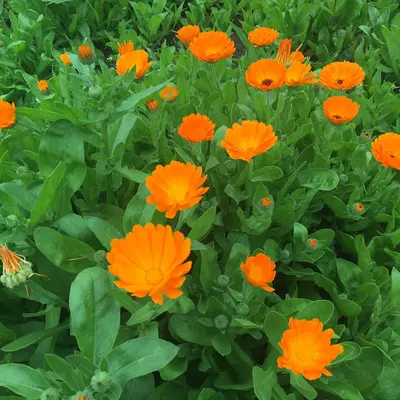
High resin content for medicinal use. 2-3 1/2" blooms. Also known as pot marigold, common marigold, and Scotch marigold.Edible Flowers: Petals of the flowers can be used fresh or dried in "flower confetti," soups, soufflés, rice dishes, baked goods, and to garnish desserts. Calendula is a popular choice for brightening up salad mix. Flavor is tangy and slightly bitter. Remove the petals from the flower base before consuming as the base can be quite bitter.
Harvest
50-55d
Days to harvest
Sun
Full sun to partial shade
Zones
2–11
USDA hardiness
Height
12-24 inches
Planting Timeline
Showing dates for Alpha in USDA Zone 7
All Zone 7 flower →Zone Map
Click a state to update dates
Alpha · Zones 2–11
Growing Details
Succession Planting
Direct sow Alpha calendula every 14–18 days starting April 1 in zone 7, and keep going through early June. Once daytime highs are consistently above 85°F — usually by late June here — germination gets spotty and the plants that do establish tend to stall and skip straight to setting seed. Your last spring succession will carry into summer if you deadhead consistently; pulling spent flowers every 3–4 days drives continued bloom more than any other single thing you can do. For a fall flush, sow again in late August or early September once soil temps drop back below 75°F — those plants often outperform the spring ones because powdery mildew pressure drops off with the cooler nights.
Complete Growing Guide
High resin content for medicinal use. 2-3 1/2" blooms. Also known as pot marigold, common marigold, and Scotch marigold.Edible Flowers: Petals of the flowers can be used fresh or dried in "flower confetti," soups, soufflés, rice dishes, baked goods, and to garnish desserts. Calendula is a popular choice for brightening up salad mix. Flavor is tangy and slightly bitter. Remove the petals from the flower base before consuming as the base can be quite bitter. According to Johnny's Selected Seeds, Alpha is 50 - 55 days to maturity, annual, open pollinated.
Light: Full sun (6 or more hours of direct sunlight a day), Partial Shade (Direct sunlight only part of the day, 2-6 hours). Soil: Clay, High Organic Matter, Loam (Silt), Sand. Soil pH: Acid (<6.0), Alkaline (>8.0), Neutral (6.0-8.0). Drainage: Good Drainage, Moist. Height: 1 ft. 0 in. - 2 ft. 0 in. Spread: 1 ft. 0 in. - 2 ft. 0 in. Maintenance: Medium. Propagation: Seed. Regions: Coastal, Mountains, Piedmont.
Harvesting
Alpha reaches harvest at 50 - 55 days from sowing per Johnny's Selected Seeds. Expect 2-3 1/2" at peak. As an annual, harvest continues until frost ends the season.
Seeds ripe from August to November.
Type: Achene.
Harvest time: Fall
Edibility: Flower petals give color to soups, custards, and rice; also used in cookies, vinegars.
Storage & Preservation
Fresh calendula petals should be stored in the refrigerator in a breathable container or paper towel-lined box at 35-40°F, where they'll last 5-7 days. For longer preservation, dry the flower heads in a cool, well-ventilated area away from direct sunlight for 1-2 weeks, then store in airtight containers away from light and moisture. Alternatively, freeze petals in ice cube trays with water or oil for culinary use lasting up to 3 months. Calendula can also be infused into oils or made into herbal teas, which store well in dark glass containers for several months.
History & Origin
Alpha is open-pollinated, meaning seed saved from healthy plants will produce true-to-type offspring. Listed in the Johnny's Selected Seeds catalog.
Origin: Mediterranean
Advantages
- +High resin content makes Alpha excellent for medicinal tea and salve preparation
- +Large 2-3.5 inch blooms provide abundant petals for culinary and craft uses
- +Fast 50-55 day maturity allows multiple succession plantings per season
- +Easy difficulty level makes Alpha suitable for beginner gardeners
Considerations
- -Bitter flower base requires careful petal removal before culinary use
- -Tangy, slightly bitter flavor may not appeal to all palates
- -Calendula species prone to powdery mildew in humid conditions
Companion Plants
Nasturtiums and sweet alyssum are the two worth prioritizing alongside Alpha calendula — nasturtiums act as a trap crop, pulling aphids away from the calendula, while sweet alyssum's small flowers recruit parasitic wasps that work through pest populations across the whole bed. Chives are worth tucking in at the edges; their sulfur compounds disorient aphids and whiteflies at close range. In our zone 7 Georgia gardens, where whitefly pressure ramps up fast by June, that three-way combination earns its square footage. Keep calendula well away from fennel — its root exudates stunt many neighboring plants — and at least 60 feet from any Black Walnut, whose juglone moves through the soil far enough to kill calendula before you figure out what's wrong.
Plant Together
Marigolds
Repel nematodes and aphids while attracting beneficial insects
Sweet Alyssum
Attracts beneficial insects like hoverflies and parasitic wasps
Nasturtiums
Act as trap crops for aphids and cucumber beetles
Lavender
Repels moths, fleas, and mosquitoes with strong fragrance
Cosmos
Attract pollinators and beneficial predatory insects
Zinnia
Attract butterflies and beneficial insects while providing color contrast
Chives
Repel aphids and Japanese beetles with sulfur compounds
Sunflowers
Provide beneficial shade and attract pollinators and pest-eating birds
Keep Apart
Black Walnut
Releases juglone toxin that inhibits growth of many flowering plants
Eucalyptus
Produces allelopathic compounds that suppress nearby plant growth
Fennel
Releases growth-inhibiting chemicals harmful to most flowering companions
Pests & Disease Resistance
Common Pests
Aphids, spider mites, whiteflies
Diseases
Powdery mildew, root rot in wet conditions
Troubleshooting Alpha
What you'll see, why it happens, and what to do about it.
White powdery coating on upper leaf surfaces, usually showing up first on older leaves in late spring or early summer
Likely Causes
- Powdery mildew (Golovinomyces cichoracearum) — thrives when nights are cool and days are warm, especially with poor airflow
- Plants spaced too close together, blocking air circulation
What to Do
- 1.Space plants at least 12 inches apart — 15 is better if you've had mildew problems before
- 2.Strip the worst-affected leaves and bin them, not the compost pile
- 3.Apply a diluted neem oil spray (2 tsp per quart of water) every 7 days until new growth looks clean
Stems collapsing at soil level, lower leaves yellowing and going soft, roots brown and mushy when you pull the plant
Likely Causes
- Root rot from Pythium or Rhizoctonia — both triggered by waterlogged or poorly draining soil
- Overwatering, especially in heavy clay or containers without adequate drainage holes
What to Do
- 1.Pull and discard affected plants — they won't recover once the crown is gone
- 2.Amend beds with compost or coarse perlite before the next planting to improve drainage
- 3.Water only when the top inch of soil is dry; calendula handles dry spells better than most people expect
Tiny clusters of soft-bodied insects on new growth and buds, stems slightly distorted, sticky residue on leaves
Likely Causes
- Aphids (commonly Myzus persicae or Macrosiphum euphorbiae) — they favor the soft new growth calendula puts out in flushes
- Ant activity nearby — ants farm aphid colonies and will actively shield them from predators
What to Do
- 1.Knock aphids off with a strong stream of water from a hose — do this in the morning so foliage dries before evening
- 2.Plant sweet alyssum within 2-3 feet of your calendula to draw in parasitic wasps that work through the colony on their own
- 3.For heavy infestations, spray insecticidal soap (1 tbsp per quart of water) directly on the colonies every 4-5 days for two weeks
Frequently Asked Questions
How long does it take calendula flowers to bloom after planting?▼
Is calendula good for beginner gardeners?▼
Can you grow calendula in containers?▼
What does calendula taste like?▼
When should I plant calendula seeds?▼
What are the medicinal uses of Alpha calendula?▼
Zone-by-Zone Planting Calendar
| Zone | Indoor Start | Transplant | Direct Sow | Harvest |
|---|---|---|---|---|
| Zone 3 | April – May | June – July | June – August | — |
| Zone 4 | March – April | June – June | June – July | — |
| Zone 5 | March – April | May – June | May – July | — |
| Zone 6 | March – April | May – June | May – July | — |
| Zone 7 | February – March | April – May | April – June | — |
| Zone 8 | February – March | April – May | April – June | — |
| Zone 9 | January – February | March – April | March – May | — |
| Zone 10 | January – January | February – March | February – April | — |
| Zone 1 | May – June | July – August | July – September | — |
| Zone 2 | April – May | June – July | June – August | — |
| Zone 11 | January – January | January – February | January – March | — |
| Zone 12 | January – January | January – February | January – March | — |
| Zone 13 | January – January | January – February | January – March | — |
Growing Guides from Wind River Greens
Sources & References
External authority sources used in compiling this guide.
- BreederJohnny's Selected Seeds
See the Methodology page for how this data is sourced, what's AI-assisted, and known limitations.