Kossak
Brassica oleracea var. gongylodes
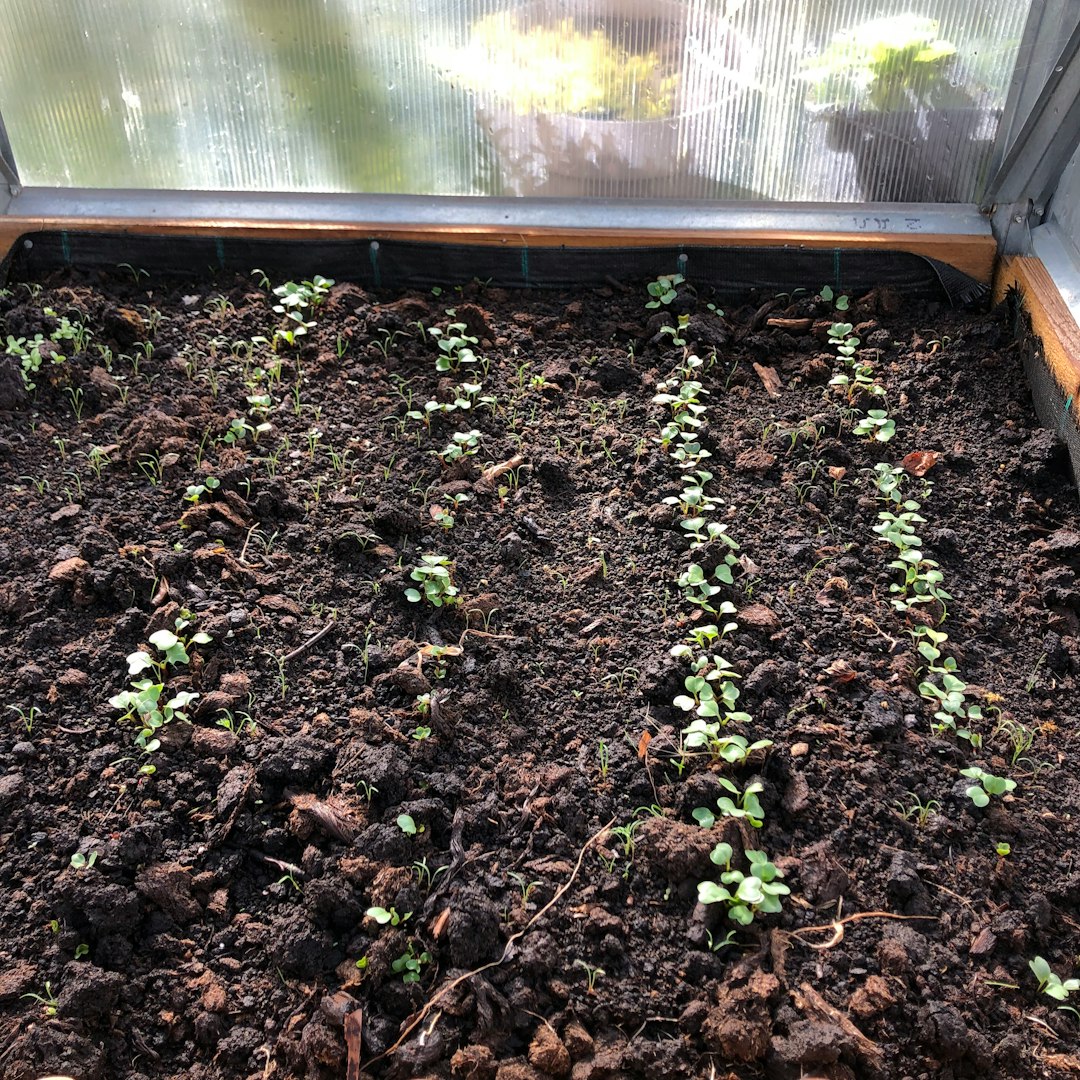
Kossak is a hybrid brassica variety prized for its tender, sweet flavor and mild taste profile. This reliable variety reaches maturity in approximately 80 days, making it ideal for mid-season gardening. Known for its excellent eating quality, Kossak produces heads with a delicious, pleasant flavor that sets it apart from coarser cabbage varieties. It thrives in well-drained, fertile soil under full sun to partial shade conditions. Best suited for gardeners seeking an easy-to-grow brassica with superior culinary qualities and dependable performance.
Harvest
80d
Days to harvest
Sun
Full sun to partial shade
Zones
6–9
USDA hardiness
Height
10-24 inches
Planting Timeline
Showing dates for Kossak in USDA Zone 7
All Zone 7 brassica →Zone Map
Click a state to update dates
Kossak · Zones 6–9
Growing Details
Succession Planting
Kossak runs about 80 days to harvest, which fits two plantings in most zone 6–9 gardens. Start seeds indoors in late February or early March, transplant out in April, and plan your first harvest for June. For a fall crop, count back 80 days from your first expected frost and start seeds accordingly — in zone 7 that lands around late July to early August, with harvest running September through November.
The main timing trap is heat. Bulbs that size up during consistently hot weather — daytime highs above 85°F — tend to turn pithy before they're worth cutting. If your transplant window falls in that range, wait it out. The fall planting almost always produces better texture than a late-spring run that hits summer before the bulbs fill out.
Complete Growing Guide
Harvest when round and about 8" diameter, before it begins to elongate. At this size, the roots will store well and the flesh will be sweet, tender, and delicious. Kossak will keep in cold storage for up to 4 months. Also available in organic seed. According to Johnny's Selected Seeds, Kossak is 80 days to maturity, annual, hybrid (f1).
Light: Full sun (6 or more hours of direct sunlight a day), Partial Shade (Direct sunlight only part of the day, 2-6 hours). Soil: Clay, Loam (Silt), Sand. Soil pH: Acid (<6.0), Neutral (6.0-8.0). Drainage: Good Drainage, Moist. Height: 0 ft. 10 in. - 2 ft. 0 in.. Spread: 1 ft. 0 in. - 2 ft. 0 in.. Spacing: 12 inches-3 feet. Growth rate: Medium. Maintenance: Medium. Propagation: Seed, Stem Cutting. Regions: Coastal, Mountains, Piedmont.
Harvesting
Kossak reaches harvest at 80 days from sowing per Johnny's Selected Seeds. Expect 8" at peak. As an annual, harvest continues until frost ends the season.
The fruits dry and split when ripe.
Color: Brown/Copper, Green. Type: Siliqua. Length: > 3 inches.
Garden value: Edible
Harvest time: Fall, Summer
Edibility: The foliage is edible raw or cooked but when cooked can emit an unpleasant odor.
Storage & Preservation
Kossak kohlrabi stores best in a cool, humid environment between 32–40°F with 90–95% relative humidity. Use perforated plastic bags or breathable containers in the crisper drawer; properly stored bulbs keep for 3–4 weeks. For longer preservation, blanch quarters for 3 minutes, then freeze in airtight containers for up to eight months. Fermentation works well too—slice thinly, salt at 2–3% by weight, and pack into jars under brine for tangy results in 2–3 weeks. Kossak's tender flesh also dries successfully; slice thin, dehydrate at 135°F until brittle, and store in airtight containers. Remove leaves before storage, as they draw moisture from the bulb and shorten shelf life significantly.
History & Origin
Kossak is an F1 hybrid developed through controlled cross-pollination. Listed in the Johnny's Selected Seeds catalog.
Origin: W. Europe
Advantages
- +Harvests at perfect 8-inch size with naturally sweet and tender flesh
- +Extended cold storage capability keeps roots fresh for up to four months
- +Relatively quick 80-day maturity allows multiple plantings per growing season
- +Easy difficulty level makes Kossak suitable for beginner gardeners
Considerations
- -Requires precise harvest timing before elongation begins or quality declines
- -Kohlrabi generally prefers cool weather and may bolt in excessive heat
- -Needs consistently moist soil; drought stress causes tough, woody texture
- -Limited market demand compared to common vegetables reduces commercial viability
Companion Plants
Onions and celery are the most useful neighbors here because their volatile sulfur compounds help mask the scent profile that draws cabbage moths (Pieris rapae) and flea beetles to brassicas. NC State Extension's IPM guidance is direct on this: interplanting unrelated crops dilutes the attractive odor of a preferred host, slowing pest movement across a planting and giving you more time to act. Marigolds get recommended constantly for brassicas — NC State acknowledges the repellent evidence is thin — but they do pull in generalist predators, and tucking a row between blocks of Kossak costs nothing. Lettuce and spinach fill the 8–10 inch gaps between plants without pulling water or nutrients away; they're gone before Kossak bulbs need the space.
Tomatoes and kohlrabi draw overlapping pest pressure, so putting them side by side just concentrates the problem in one part of the garden. Pole beans are a harder conflict — there's documented growth suppression between beans and brassicas, likely allelopathic — so keep them at least a full bed away. Strawberries compete aggressively for moisture and do nothing useful for Kossak in return.
Plant Together
Marigolds
Repels cabbage moths and other harmful insects with strong scent
Onions
Repels cabbage worms, aphids, and flea beetles with sulfur compounds
Lettuce
Benefits from shade provided by larger brassica leaves, efficient space use
Spinach
Grows well in partial shade of brassicas and doesn't compete for nutrients
Celery
Repels cabbage white butterflies and provides natural pest deterrent
Carrots
Loosens soil for brassica roots and doesn't compete for same nutrients
Dill
Attracts beneficial insects like parasitic wasps that control cabbage worms and aphids
Nasturtiums
Acts as trap crop for flea beetles and aphids, draws pests away from brassicas
Keep Apart
Strawberries
Competes for nutrients and can stunt brassica growth
Tomatoes
Inhibits brassica growth and both plants compete for similar nutrients
Pole beans
Can shade out brassicas and compete for nitrogen in soil
Nutrition Facts
Per 100g serving. % Daily Value based on 2,000 calorie diet. Source: USDA FoodData Central (FDC #747447)
Pests & Disease Resistance
Common Pests
Cabbage moths, flea beetles, root maggots
Diseases
Clubroot, black rot, bacterial leaf spot
Troubleshooting Kossak
What you'll see, why it happens, and what to do about it.
Tiny round holes scattered across leaves, especially on young transplants in the first 2–3 weeks after setting out
Likely Causes
- Flea beetles (Phyllotreta spp.) — adults overwinter in soil and leaf litter, emerge in spring and immediately target brassicas
- Stressed or slow-establishing transplants, which are more vulnerable to feeding damage
What to Do
- 1.Cover transplants immediately with row cover (Agribon AG-19 or similar) and seal the edges — flea beetles find plants by smell, so physical exclusion is the most reliable fix
- 2.Remove the cover once plants are 8–10 inches tall and actively growing; healthy established kohlrabi outpaces minor feeding damage
- 3.Till under or remove crop debris after harvest to reduce overwintering sites in the bed
Plants wilt and collapse despite adequate soil moisture, with swollen, club-shaped roots when pulled
Likely Causes
- Clubroot (Plasmodiophora brassicae) — a soil-borne pathogen that can persist for 15–20 years in infected ground
- Planting brassicas — kohlrabi, cabbage, broccoli, collards — in the same bed more frequently than once every 3 years
What to Do
- 1.Pull and bag affected plants immediately — do not compost them
- 2.NC State Extension recommends keeping any one spot out of brassicas for at least 3 years; with clubroot already confirmed, stretch that to 4–5 years minimum
- 3.Lime the bed to raise soil pH to 7.2 or above before replanting — Plasmodiophora brassicae activity drops sharply in alkaline conditions
V-shaped yellow lesions starting at leaf edges, turning brown and papery, with darkened veins visible on the underside — typically shows up around day 30–40
Likely Causes
- Black rot (Xanthomonas campestris pv. campestris) — a bacterial disease spread by infected seed, rain splash, and overhead irrigation
- Watering late in the day so foliage stays wet overnight
What to Do
- 1.Strip and trash affected leaves; black rot moves fast through wet tissue and composting spreads it
- 2.Switch to drip or furrow irrigation to keep water off the foliage entirely
- 3.Next season, start with a confirmed disease-free seed lot or treat seed with hot water at 122°F for 25 minutes before sowing
Frequently Asked Questions
How long does Kossak brassica take to mature?▼
Is Kossak a good variety for beginners?▼
How long can you store Kossak after harvest?▼
What does Kossak taste like?▼
Can you grow Kossak in containers?▼
Zone-by-Zone Planting Calendar
| Zone | Indoor Start | Transplant | Direct Sow | Harvest |
|---|---|---|---|---|
| Zone 3 | March – April | May – June | May – June | July – October |
| Zone 4 | March – April | May – June | April – June | July – October |
| Zone 5 | February – March | April – May | April – May | July – November |
| Zone 6 | February – March | April – May | April – May | June – November |
| Zone 7 | February – March | April – May | March – May | June – November |
| Zone 8 | January – February | March – April | March – April | May – December |
| Zone 9 | January – January | February – March | February – March | April – December |
| Zone 10 | January – January | February – March | January – March | April – December |
| Zone 1 | April – May | June – July | June – July | August – September |
| Zone 2 | April – May | June – July | May – July | August – September |
| Zone 11 | January – January | January – February | January – February | March – December |
| Zone 12 | January – January | January – February | January – February | March – December |
| Zone 13 | January – January | January – February | January – February | March – December |
Growing Guides from Wind River Greens
Sources & References
External authority sources used in compiling this guide.
- BreederJohnny's Selected Seeds
- USDAUSDA FoodData Central
See the Methodology page for how this data is sourced, what's AI-assisted, and known limitations.