Anthurium Clarinervium
Anthurium clarinervium
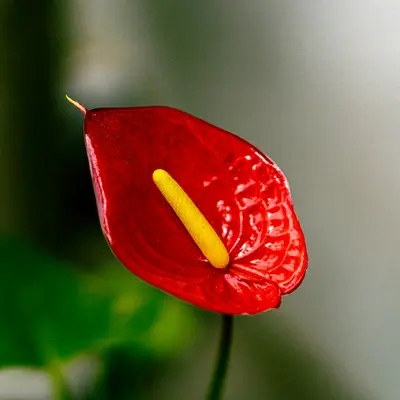
A striking velvet-leaved anthurium featuring heart-shaped leaves with dramatic white veining that creates an almost painted appearance. This Mexican native is prized by collectors for its unique foliage pattern and compact growth habit, making it a stunning centerpiece plant that never fails to draw attention.
Sun
Partial shade
Zones
11–12
USDA hardiness
Height
1-3 feet
Complete Growing Guide
Light: Dappled Sunlight (Shade through upper canopy all day), Partial Shade (Direct sunlight only part of the day, 2-6 hours). Soil: Loam (Silt). Soil pH: Acid (<6.0). Drainage: Good Drainage, Moist. Height: 1 ft. 0 in. - 3 ft. 6 in.. Spread: 0 ft. 9 in. - 1 ft. 0 in.. Spacing: 12 inches-3 feet. Growth rate: Slow. Maintenance: High. Propagation: Stem Cutting.
Harvesting
A globose berry.
Type: Berry.
Storage & Preservation
Anthurium Clarinervium is a living houseplant, not a consumable, so traditional storage and preservation methods don't apply. Keep the plant in its pot on a bright shelf or table away from direct sunlight. Maintain indoor temperatures between 65-80°F with 60-80% humidity—mist regularly or use a humidifier. The plant has an indefinite lifespan indoors with proper care. Propagation methods include division of mature plants, stem cuttings in water or moist aroid mix, or air layering to create new plants while maintaining the parent specimen.
History & Origin
Anthurium clarinervium originates from the tropical rainforests of Mexico, where it grows as an epiphytic plant in its native habitat. While comprehensive documentation of its formal botanical description and discovery date remains limited in widely accessible sources, the species emerged into horticultural cultivation through the European plant trade during the mid-to-late twentieth century. Its distinctive white-veined foliage likely resulted from natural genetic variation within wild populations, subsequently propagated by commercial nurseries and plant collectors who recognized its ornamental appeal. The species belongs to the broader Anthurium genus, which comprises hundreds of tropical species, many originating from Central and South American rainforests where epiphytic growth on trees is common.
Origin: Mexico to Tropical America
Considerations
- -Toxic (Flowers, Fruits, Leaves, Roots, Seeds, Stems): Low severity
- -Causes contact dermatitis
- -High maintenance
Companion Plants
Around here in the southeast, clarinervium lives indoors year-round — it's a zone 11–12 plant with no outdoor future for most of us — so companion choices are really about shared humidity and light needs. Pothos, philodendron, peace lily, and Boston fern all prefer the same low-light, high-moisture conditions, and clustering them on a shelf or tray measurably raises ambient humidity for the whole group, which is the main reason the crispy-edge problem eases up. Snake plant, jade, and aloe are the wrong neighbors: all three want to dry out completely between waterings, and parking them next to a clarinervium on a shared humidity tray will rot their roots out within a season.
Plant Together
Pothos
Similar humidity and light requirements, helps maintain ambient moisture levels
Philodendron
Compatible watering schedule and creates humid microclimate together
Peace Lily
Shares preference for filtered light and high humidity, mutual humidity benefits
Boston Fern
Increases air humidity through transpiration, thrives in same indirect light
Monstera Deliciosa
Similar tropical care requirements and helps maintain consistent humidity
Calathea
Both prefer high humidity and indirect light, similar watering needs
Bird of Paradise
Compatible humidity requirements and creates tropical microenvironment
Rubber Plant
Similar light preferences and helps maintain stable indoor humidity
Keep Apart
Snake Plant
Prefers dry conditions and infrequent watering, opposing humidity needs
Jade Plant
Succulent requiring dry soil between waterings, incompatible moisture requirements
Aloe Vera
Desert plant preferring dry conditions, conflicting watering and humidity needs
Pests & Disease Resistance
Resistance
Susceptible to fungal issues in low air circulation
Common Pests
Thrips, spider mites, mealybugs, scale insects
Diseases
Root rot, bacterial blight, anthracnose
Troubleshooting Anthurium Clarinervium
What you'll see, why it happens, and what to do about it.
Leaf edges and tips turning brown and crispy, starting on older leaves
Likely Causes
- Low humidity — Anthurium clarinervium wants 60–80% relative humidity; most homes run 30–50%
- Fluoride or salt buildup from tap water or over-fertilizing
What to Do
- 1.Set the pot on a pebble tray filled with water (keep the pot base above the waterline) or run a humidifier nearby
- 2.Flush the soil thoroughly every 2–3 months with distilled or rainwater to clear mineral buildup
- 3.Switch to filtered or rainwater if you've been using straight tap — fluoride sensitivity is documented across the Anthurium genus
Yellowing leaves with fine webbing on the undersides, especially during dry winter months indoors
Likely Causes
- Spider mites (Tetranychus urticae) — thrive in dry indoor air and spread fast between houseplants
What to Do
- 1.Wipe both sides of every leaf with a damp cloth, then spray with insecticidal soap — repeat every 5–7 days for 3 weeks straight
- 2.Move the plant away from neighboring philodendrons or calatheas immediately; mites relocate quickly
- 3.Raise humidity above 60% — mite populations drop off fast once ambient moisture climbs
Stems going soft and dark at the base, lower leaves wilting even though the soil is wet
Likely Causes
- Root rot — typically Pythium or Phytophthora species — caused by waterlogged soil or a pot without adequate drainage holes
- Saucer water left sitting under the pot for more than 30 minutes after each watering
What to Do
- 1.Unpot the plant, cut away black or mushy roots with clean scissors, and let the root ball air out for an hour before repotting
- 2.Use a fast-draining mix: roughly equal parts orchid bark, perlite, and standard potting soil — this genus does not want to stay saturated
- 3.Hold off watering until the top 2 inches of the new mix feel dry to the touch
Frequently Asked Questions
Is Anthurium Clarinervium good for beginners?▼
How often should I water Anthurium Clarinervium?▼
Can you grow Anthurium Clarinervium in a bathroom?▼
Why are the leaves on my Anthurium Clarinervium losing their white veining?▼
How do I propagate Anthurium Clarinervium?▼
What pests affect Anthurium Clarinervium and how do I treat them?▼
Growing Guides from Wind River Greens
Sources & References
External authority sources used in compiling this guide.
- ExtensionNC State Extension
See the Methodology page for how this data is sourced, what's AI-assisted, and known limitations.