Obedient Plant
Physostegia virginiana
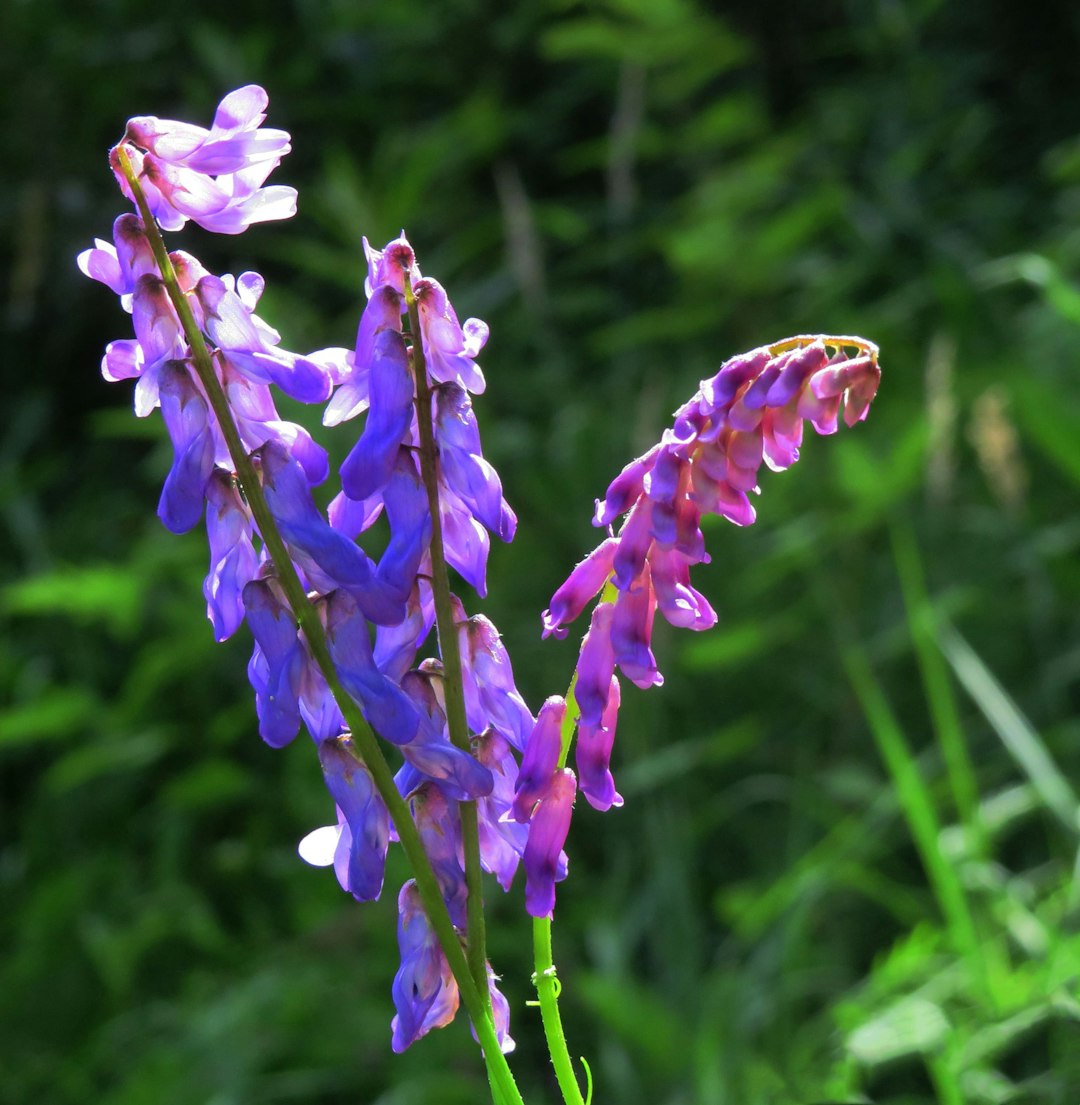
Obedient Plant (Physostegia virginiana) is a perennial native wildflower. Hardy in USDA zones 2 to 9. Prefers full sun.
Sun
Full sun to partial shade
Zones
2–9
USDA hardiness
Height
3-4 feet
Planting Timeline
Showing dates for Obedient Plant in USDA Zone 7
All Zone 7 native-wildflower →Zone Map
Click a state to update dates
Obedient Plant · Zones 2–9
Growing Details
Complete Growing Guide
Light: Full sun (6 or more hours of direct sunlight a day), Partial Shade (Direct sunlight only part of the day, 2-6 hours). Soil: Clay, High Organic Matter, Loam (Silt), Sand. Soil pH: Alkaline (>8.0), Neutral (6.0-8.0). Drainage: Good Drainage, Moist, Occasionally Wet. Height: 3 ft. 0 in. - 4 ft. 0 in.. Spread: 2 ft. 0 in. - 3 ft. 0 in.. Spacing: 12 inches-3 feet, 3 feet-6 feet. Growth rate: Rapid. Maintenance: Medium. Propagation: Division, Seed. Regions: Coastal, Mountains, Piedmont.
Harvesting
Displays from August to November.
Harvest time: Fall
Storage & Preservation
For cut flower arrangements, Obedient Plant lasts 5-10 days in a vase with fresh water changed every other day and stems re-cut at an angle. Store cut stems in cool conditions (50-65°F) away from ripening fruit and direct sun to maximize vase life. The plant itself doesn't require post-harvest preservation. However, if you wish to collect and dry seeds for propagation or to share with fellow gardeners, allow spent flower spikes to dry on the plant through fall until they brown and become papery. Cut entire dried spikes and hang upside-down in a dry spot for 2-3 weeks, then crumble to release seeds. Store dried seeds in a cool, dry location in paper envelopes for up to 2 years. Alternatively, let plants self-seed naturally by leaving spent flowers on the plant; seedlings will emerge the following spring.
History & Origin
Origin: Eastern North America, North Carolina
Advantages
- +Showy pink or white flower spikes bloom reliably from mid to late summer
- +Extremely cold hardy across most of North America, thriving in zones 2-9
- +Low maintenance perennial requiring minimal fertilizer, water, or pest management
- +Flowers are perfectly hinged and positionable, giving the plant its amusing common name
Considerations
- -Aggressively spreads via underground rhizomes and can overtake garden spaces quickly
- -Prefers consistently moist soil and struggles during prolonged drought conditions
- -Susceptible to rust and powdery mildew in humid climates with poor air circulation
Companion Plants
Purple Coneflower (Echinacea purpurea), Black-eyed Susan (Rudbeckia hirta), and New England Aster (Symphyotrichum novae-angliae) are the strongest pairings — they share Physostegia's moisture tolerance and bloom in sequence, so the bed stays active from June into October without one plant shading out another. Cardinal Flower and Swamp Milkweed handle the same wet-feet conditions without competing for water. Black Walnut is a hard no at any distance under 50 feet; juglone, the allelopathic compound in its roots and hull, suppresses many native perennials. Skip Mint too — it spreads by runners just as fast as Physostegia does, and untangling the two every spring gets old quickly.
Plant Together
Purple Coneflower
Shares similar soil and moisture requirements, attracts beneficial pollinators
Wild Bergamot
Complementary blooming periods, both attract native bees and butterflies
Black-eyed Susan
Similar growing conditions, creates diverse habitat for beneficial insects
New England Aster
Provides late-season blooms when obedient plant finishes, supports migrating monarchs
Cardinal Flower
Thrives in similar moist conditions, attracts hummingbirds
Joe Pye Weed
Compatible moisture needs, creates tall backdrop and butterfly habitat
Swamp Milkweed
Enjoys similar wet conditions, supports monarch butterflies
Blue Flag Iris
Complementary root systems, both tolerate wet soils
Keep Apart
Black Walnut
Releases juglone toxin that inhibits growth of sensitive plants
Mint
Extremely aggressive spreader that can outcompete and overwhelm obedient plant
Crown Vetch
Invasive groundcover that forms dense mats, crowding out native wildflowers
Pests & Disease Resistance
Common Pests
Aphids, spider mites (occasional, not typically damaging)
Diseases
Powdery mildew (in humid conditions with poor air circulation)
Troubleshooting Obedient Plant
What you'll see, why it happens, and what to do about it.
White powdery coating on leaves and stems, usually showing up mid-summer when nights get humid
Likely Causes
- Powdery mildew (Erysiphe cichoracearum or similar obligate fungal parasites) — thrives when humidity is high but foliage stays dry, especially with poor air movement
- Crowded planting at less than 18 inches that cuts off airflow between stems
What to Do
- 1.Thin clumps aggressively — pull out interior stems to open up the center of the plant
- 2.Cut heavily infected stems to the ground; the plant will resprout
- 3.Next spring, divide the clump and replant at the full 18-24 inch spacing so air can move through
Plant has spread 2-3 feet beyond where you put it, crowding out neighboring plants within a single season
Likely Causes
- Aggressive rhizome spread — Physostegia virginiana runs underground rapidly, especially in loose, moist soil
- No physical root barrier installed at planting time
What to Do
- 1.Dig a trench around the colony and sever rhizomes with a spade each spring before growth exceeds 6 inches tall
- 2.Install a 10-12 inch deep solid root barrier (not thin flexible edging) around the planting area at the outset
- 3.Divide every 2-3 years in early spring and compost the excess — this also keeps the center from dying out, which Physostegia clumps tend to do when left alone too long
Clusters of small soft-bodied insects on new growth tips, leaves slightly curled, sticky residue on stems
Likely Causes
- Aphids (likely Aphis spp.) — common in spring when new growth is tender, though NC State Extension notes they're rarely damaging at population levels typical on Physostegia
What to Do
- 1.Knock aphids off with a firm spray of water from a hose — repeat every 2-3 days for a week
- 2.If ladybugs (Coccinellidae) or lacewings are already working the area, hold off and let them clear it; colonies usually collapse on their own by midsummer
- 3.Back off any high-nitrogen fertilizer, which pushes the soft new growth aphids prefer
Frequently Asked Questions
How tall does Obedient Plant grow and will it flop over?▼
When does Obedient Plant bloom and how long does it flower?▼
Is Obedient Plant invasive, and how do I control its spread?▼
Can you grow Obedient Plant in pots or containers?▼
Is Obedient Plant a good choice for a beginner gardener?▼
What are the flower colors available in Obedient Plant varieties?▼
Zone-by-Zone Planting Calendar
Growing Guides from Wind River Greens
Sources & References
External authority sources used in compiling this guide.
- ExtensionNC State Extension
See the Methodology page for how this data is sourced, what's AI-assisted, and known limitations.