Grace Mix
Clarkia amoena
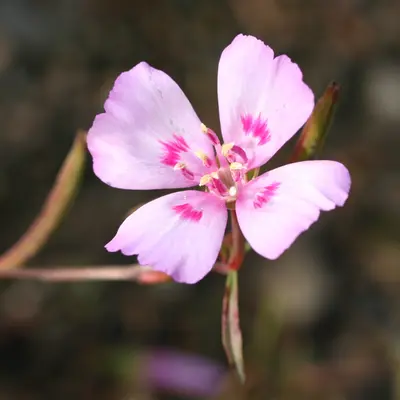
Each stem produces clusters of cup-shaped blooms in shades of pink, magenta, salmon, and white. Sturdy stems and upward-facing bloom clusters work well as cut flowers. Blooms add a cheerful and almost tropical vibe to mixed bouquets and arrangements. Also known as farewell-to-spring and satin flower.
Harvest
75-85d
Days to harvest
Sun
Full sun to partial shade
Zones
1–11
USDA hardiness
Height
18-30 inches
Planting Timeline
Showing dates for Grace Mix in USDA Zone 7
All Zone 7 flower →Zone Map
Click a state to update dates
Grace Mix · Zones 1–11
Growing Details
Succession Planting
Grace Mix doesn't keep producing the way a pepper does — once a plant finishes its flush, that sowing is done. Direct sow every 3-4 weeks starting April 1 through early June in zone 7, and plan your last sowing so plants hit bloom before daytime highs are consistently above 85°F; Clarkia gets leggy and stingy with flowers once heat really sets in. Germination runs 10-14 days, and first blooms show around 75-85 days from seed.
For flowers from early summer onward, start your first round indoors in late February or early March and transplant out in April, then layer in direct-sown successions every few weeks behind it. A true fall succession is tricky in the Southeast — summer heat creates a hard gap in the middle of the season, and you'd need to time a late sowing carefully to hit bloom before the first frost, which in zone 7 typically lands around mid-November.
Complete Growing Guide
Grace Mix thrives in cool weather, so timing is everything. Choose a site with full sun in cool-summer regions or one with afternoon shade where summers turn hot — godetia tends to stall and brown out once daytime temperatures climb past the mid-80s. Aim for well-drained soil on the leaner side; overly rich ground produces lush foliage and fewer blooms.
Prepare the bed by loosening the top 8-10 inches and working in a light dose of compost. Skip the high-nitrogen fertilizer. If your soil is heavy clay, mix in coarse sand or fine gravel to improve drainage, since godetia roots resent soggy conditions and will rot quickly in standing water.
Direct sowing is strongly preferred — Grace Mix dislikes root disturbance. In zones 7 and warmer, sow in fall for spring blooms or in very early spring as soon as the soil can be worked. In colder zones, sow as soon as the ground thaws. Press seeds gently into the surface; they need light to germinate, so do not bury them. Keep the bed evenly moist until germination, which takes 10-14 days at 60-65°F.
If you must start indoors, sow into deep cells 4-6 weeks before your last frost and transplant carefully before plants become rootbound. Harden off over a week of cool nights. Thin or space seedlings 9-12 inches apart — crowding leads to weak stems and poor air circulation, which invites stem rot.
Water moderately and consistently once plants are established, allowing the top inch of soil to dry between waterings. Avoid overhead watering late in the day. A single side-dressing of low-nitrogen fertilizer (something like 5-10-10) when buds form is plenty; more will encourage floppy growth.
Most gardeners do not need to stake Grace Mix, as the stems are naturally sturdy. However, in windy sites or rich soil, light support from pea netting or a few twiggy brush stakes keeps the cut-flower stems straight. Pinching young plants when they reach 6 inches encourages branching and dramatically increases bloom count.
The most common mistake is sowing too late. Godetia is a cool-season annual that will refuse to bloom well if it heads into summer heat as a young plant. The second mistake is overfeeding — keep it lean. To maximize yield, deadhead spent clusters every few days, water at the base, and harvest stems regularly, which signals the plant to keep producing. In long-summer climates, succession sow every 2-3 weeks in early spring for a longer cutting window.
Harvesting
Harvest Grace Mix when the lowest one or two flowers in a cluster have just opened and the remaining buds are showing color but still closed. This is the sweet spot for cut-flower use — pick any earlier and the upper buds may not open in the vase; pick later and vase life shortens significantly. Cut in the cool of early morning when stems are fully turgid, using clean, sharp snips. Take stems long, cutting just above a leaf node or lateral branch to encourage side shoots and additional flushes.
Strip the lower foliage immediately and plunge stems into a bucket of cool water. For the longest vase life, let stems condition in deep water in a cool, dark place for several hours before arranging. Avoid harvesting in the heat of afternoon, when stems wilt quickly and recover poorly. Regular cutting genuinely increases total bloom production, so do not be shy — the more you harvest, the more the plant gives back.
Storage & Preservation
Fresh-cut Grace Mix stems last 7-10 days in a clean vase with floral preservative; change the water every 2-3 days and recut stems each time. Store unused stems upright in a cooler at 36-40°F with high humidity, where they hold for up to a week before arranging.
For preservation, godetia dries reasonably well using silica gel — bury individual blooms face-up in silica for 4-7 days to retain color and shape for use in pressed-flower art or shadow boxes. Air-drying in small bunches hung upside down in a dark, ventilated room works for the buds and lighter-colored flowers, though magenta tones may fade. Pressing flat between absorbent paper in a flower press preserves the satin sheen beautifully for cards and framed botanical work.
History & Origin
Grace Mix belongs to Clarkia amoena, a wildflower native to the coastal hills and meadows of western North America from British Columbia down through California. The genus Clarkia was named in honor of Captain William Clark of the Lewis and Clark Expedition, who collected specimens during the 1804-1806 journey. Indigenous peoples of the Pacific coast used various Clarkia species for food and ceremony long before European botanists cataloged them.
The common name 'farewell-to-spring' reflects the plant's bloom timing, opening as spring gives way to summer in its native range, while 'satin flower' nods to the petals' distinctive silky sheen. Victorian gardeners embraced godetia in the 19th century, and it became a cottage-garden staple in Britain and continental Europe, where cool, damp summers suit it perfectly. Heirloom mixes like Grace were selected over generations for uniform stem strength, balanced color range, and cut-flower performance, preserving the species' wild charm in a garden-ready form.
Advantages
- +Sturdy, naturally upright stems rarely need staking
- +Excellent cut flower with 7-10 day vase life
- +Thrives in cooler weather when many annuals struggle
- +Tolerates lean soils where richer feeders fail
- +Self-sows gently in suitable climates for low-effort returns
- +Wide color range from one packet — pinks, magentas, salmons, whites
- +Easy from direct-sown seed, ideal for beginning flower gardeners
Considerations
- -Stalls and browns quickly once summer heat sets in
- -Resents root disturbance — transplanting is risky
- -Susceptible to stem and root rot in heavy or poorly drained soil
- -Short overall bloom window in hot-summer climates
- -Magenta tones can fade when air-dried for preservation
Companion Plants
Marigolds and sweet alyssum are the two I'd plant closest to Grace Mix. French marigold varieties like 'Petite Harmony' produce root exudates that suppress soil nematodes, and their open flowers draw hoverflies that keep aphid pressure down — Clarkia does pull aphids, so having that predator population nearby matters. Sweet alyssum stays low enough that it doesn't compete for light against Clarkia's 18-30 inch stems, and it blooms in long waves that keep parasitic wasps active through the whole cutting season. Cosmos and zinnias work well in the same bed for a different reason: in our zone 7 Georgia garden, all three run on the same warm-season schedule, so you're not juggling incompatible water or timing needs between neighbors.
Black walnut and eucalyptus are both allelopathic. Walnut roots release juglone; eucalyptus leaf litter breaks down into cineole and other compounds that suppress germination and stunt growth. Either one can quietly wreck a Clarkia planting before you figure out what's wrong. Fennel is less dramatic but still a poor neighbor — it inhibits most flowering annuals through root secretions and tends to muscle out smaller plants in mixed beds. All three deserve their own corner of the property, well away from your cut flower rows.
Plant Together
Marigolds
Repel aphids, whiteflies, and nematodes while attracting beneficial insects
Sweet Alyssum
Attracts beneficial insects like lacewings and provides ground cover
Nasturtiums
Act as trap crops for aphids and cucumber beetles while deterring squash bugs
Petunias
Repel aphids, tomato hornworms, and asparagus beetles
Lavender
Deters moths, fleas, and mosquitoes while attracting pollinators
Cosmos
Attract beneficial insects and provide structural support without competition
Zinnias
Attract butterflies and beneficial predatory insects like ladybugs
Catnip
Repels aphids, ants, and mosquitoes more effectively than DEET
Keep Apart
Black Walnut
Produces juglone toxin that inhibits growth and can kill sensitive flowers
Eucalyptus
Releases allelopathic compounds that suppress growth of nearby plants
Fennel
Inhibits growth of most garden plants through allelopathic root secretions
Pests & Disease Resistance
Common Pests
Aphids, slugs, snails
Diseases
Root rot, stem rot, powdery mildew, botrytis (gray mold)
Troubleshooting Grace Mix
What you'll see, why it happens, and what to do about it.
Seedlings collapsing at the soil line, stems look pinched or water-soaked at the base
Likely Causes
- Damping off — usually Pythium or Rhizoctonia fungi thriving in cold, wet soil
- Overwatering or poor drainage keeping the root zone saturated
What to Do
- 1.Pull the affected seedlings immediately — they won't recover, and the fungus spreads fast
- 2.Let the surface dry out between waterings; Clarkia does not want consistently moist soil
- 3.If starting indoors, use a sterile seed-starting mix and don't reuse last year's trays without scrubbing them with a 10% bleach solution
White powdery coating on leaves and stems, usually showing up mid-season when nights cool down
Likely Causes
- Powdery mildew — most commonly Erysiphe cichoracearum — spreads by airborne spores and loves poor airflow
- Planting at 6-inch spacing instead of the recommended 9-12 inches, creating a dense canopy
What to Do
- 1.Thin plants to 9-12 inches apart if you haven't already — airflow is your best prevention
- 2.Spray affected foliage with a diluted baking soda solution (1 tablespoon per gallon of water) or a potassium bicarbonate product; repeat every 7-10 days
- 3.Remove and trash heavily coated leaves rather than composting them
Irregular holes chewed in lower leaves and flower buds overnight, with a silvery slime trail nearby
Likely Causes
- Slugs or snails — both are worse after rain and in shaded, mulched beds
- Dense low foliage giving slugs daytime cover close to the plant
What to Do
- 1.Scatter iron phosphate bait (Sluggo is the common brand) around the base of plants — it's safe around pets and won't contaminate the soil
- 2.Check under boards, pots, and debris near the bed at dusk and hand-pick what you find
- 3.Pull mulch back a few inches from the stem base so slugs lose their hiding spot
Soft, brown, water-soaked patches on petals and buds that quickly turn gray and fuzzy
Likely Causes
- Botrytis cinerea (gray mold) — a fungus that moves fast in cool, humid, still air
- Spent flowers left on the plant giving the spores a foothold
What to Do
- 1.Deadhead every few days — don't let spent blooms sit in the crown or fall between stems
- 2.Water at the base, not overhead; wet petals speed up Botrytis cinerea considerably
- 3.If the infection is already widespread, cut out affected stems entirely and put them in the trash, not the compost pile
Frequently Asked Questions
How long does Grace Mix godetia take to bloom from seed?▼
Is Grace Mix good for beginners?▼
Can you grow Grace Mix in containers?▼
When should I plant Grace Mix seeds?▼
What's the difference between godetia and clarkia?▼
Does Grace Mix reseed itself?▼
Zone-by-Zone Planting Calendar
| Zone | Indoor Start | Transplant | Direct Sow | Harvest |
|---|---|---|---|---|
| Zone 1 | May – June | July – August | July – September | — |
| Zone 2 | April – May | June – July | June – August | — |
| Zone 11 | January – January | January – February | January – March | — |
| Zone 12 | January – January | January – February | January – March | — |
| Zone 13 | January – January | January – February | January – March | — |
| Zone 3 | April – May | June – July | June – August | — |
| Zone 4 | March – April | June – June | June – July | — |
| Zone 5 | March – April | May – June | May – July | — |
| Zone 6 | March – April | May – June | May – July | — |
| Zone 7 | February – March | April – May | April – June | — |
| Zone 8 | February – March | April – May | April – June | — |
| Zone 9 | January – February | March – April | March – May | — |
| Zone 10 | January – January | February – March | February – April | — |
Growing Guides from Wind River Greens
Sources & References
External authority sources used in compiling this guide.
- BreederJohnny's Selected Seeds
See the Methodology page for how this data is sourced, what's AI-assisted, and known limitations.