De Cicco Broccoli
Brassica oleracea var. italica
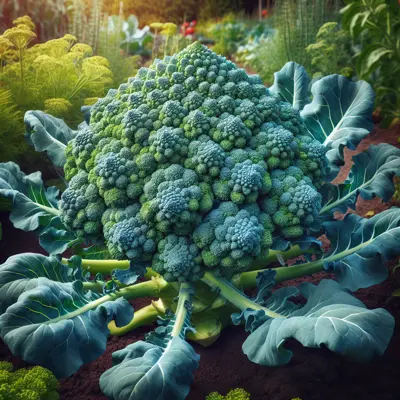
A traditional Italian heirloom variety producing small, avg. 3-4", main heads projected well above the foliage followed by a large yield of side-shoot spears. Nonuniform in maturity, resulting in a long harvest period. Grow as later succession to BC1611. Longer harvest period than other sprouting broccoli varieties, with more variation in shoot size. For spring or fall production. Pinching recommended to encourage heavier side-shoot production. Unsized seed.
Harvest
45d
Days to harvest
Sun
Full sun to partial shade
Zones
6–9
USDA hardiness
Height
10-24 inches
Planting Timeline
Showing dates for De Cicco Broccoli in USDA Zone 7
All Zone 7 brassica →Zone Map
Click a state to update dates
De Cicco Broccoli · Zones 6–9
Growing Details
Succession Planting
De Cicco is cut-and-come-again, so one planting produces the central head plus several weeks of side shoots — but it bolts once daytime temps push past 75–80°F. In zone 7, start seeds indoors in February or early March for a spring run, transplanting out in April when nights stay above 28°F. For fall, start transplants in late July to early August so plants reach maturity before the first hard frost. Sowing on a 3-week rotation between those two windows doesn't pay off — the summer heat gap just kills the plants before they head up. Two crops, spring and fall, is the right model for most climates.
Complete Growing Guide
De Cicco Broccoli rewards succession planting in spring and fall, as this Italian heirloom's nonuniform maturity extends your harvest window significantly longer than modern hybrids—plan for staggered picking rather than a single cut. Plant in cool-season windows (50–70°F optimal) and space plants 18–24 inches apart, as the variety reaches 10–24 inches tall with vigorous side-shoot development. Unlike uniform varieties, De Cicco's small 3–4 inch main heads mature unevenly across your patch, so monitor individual plants closely for harvest readiness rather than timing by days-to-maturity alone. Pinch the main head after cutting to trigger heavier side-shoot production, a cultivar-specific technique that maximizes yield from each plant. Watch for cabbage worms and flea beetles common to spring plantings; fall crops typically face fewer pest pressures. The variety's tendency toward variable shoot sizes is a feature, not a flaw—embrace the longer picking season and use smaller spears for tender, mild flavor in salads or quick-cooking applications.
Light: Full sun (6 or more hours of direct sunlight a day), Partial Shade (Direct sunlight only part of the day, 2-6 hours). Soil: Clay, Loam (Silt), Sand. Soil pH: Acid (<6.0), Neutral (6.0-8.0). Drainage: Good Drainage, Moist. Height: 0 ft. 10 in. - 2 ft. 0 in.. Spread: 1 ft. 0 in. - 2 ft. 0 in.. Spacing: 12 inches-3 feet. Growth rate: Medium. Maintenance: Medium. Propagation: Seed, Stem Cutting. Regions: Coastal, Mountains, Piedmont.
Harvesting
Harvest De Cicco broccoli when the main head reaches 3-4 inches in diameter with tightly closed, deep green florets that feel firm to gentle pressure; the head should still appear compact before any florets begin to yellow or separate. Unlike varieties producing a single large harvest, De Cicco's nonuniform maturity enables continuous picking over an extended period as side shoots emerge progressively throughout the season. Begin harvesting the main head when ready, then regularly collect developing side-shoot spears every 2-3 days as they reach 4-6 inches long to encourage prolonged production and prevent plants from bolting. Pinching back the main head immediately after harvest stimulates heavier side-shoot development, maximizing your yield during spring or fall cultivation.
The fruits dry and split when ripe.
Color: Brown/Copper, Green. Type: Siliqua. Length: > 3 inches.
Garden value: Edible
Harvest time: Fall, Summer
Edibility: The foliage is edible raw or cooked but when cooked can emit an unpleasant odor.
Storage & Preservation
Store fresh De Cicco broccoli unwashed in perforated plastic bags in your refrigerator's crisper drawer. Optimal storage temperature is 32°F with 95% humidity — it will maintain quality for 7-10 days. Never store at room temperature, as broccoli deteriorates rapidly, losing both flavor and nutritional value.
For freezing, blanch clean florets in boiling water for 3 minutes, then immediately plunge into ice water. Drain thoroughly and freeze in portions suitable for your cooking needs. Properly blanched De Cicco maintains excellent texture for up to 12 months frozen.
Due to its tender texture, De Cicco excels in fermentation projects. Chop florets and stems for adding to kimchi or sauerkraut — the stems provide excellent crunch and the mild flavor doesn't overpower other vegetables. You can also dehydrate smaller florets at 125°F until crisp for adding to soups and stews throughout winter.
History & Origin
De Cicco is a traditional Italian heirloom broccoli variety with roots in Southern Italian agricultural heritage, though detailed documentation of its specific breeder, introduction date, and originating region remains sparse in modern seed literature. The variety belongs to the sprouting broccoli lineage, distinguished by its capacity to produce numerous side shoots after the primary head harvest—a trait valued in Italian home gardens and traditional cultivation practices. Its name suggests Sicilian or Southern Italian origins, though comprehensive historical records identifying the exact breeding program or seed house responsible for its formal introduction are not readily available in contemporary horticultural archives.
Origin: W. Europe
Advantages
- +Traditional Italian heirloom with sweet, tender, mild flavor and excellent texture
- +Extended harvest period from nonuniform maturity allows prolonged picking season
- +Abundant side-shoot spears provide large yield after main head harvest
- +Quick 45-day maturity suits spring and fall succession planting
Considerations
- -Nonuniform maturity and variable shoot sizes complicate mechanical or bulk harvesting
- -Susceptible to multiple pests including cabbage worms, aphids, and diamondback moths
- -Vulnerable to clubroot, downy mildew, black rot, and alternaria leaf spot diseases
- -Requires pinching technique to maximize side-shoot production and labor input
Companion Plants
Dill draws in parasitic wasps that go after imported cabbageworm (Pieris rapae) larvae — plant it within a few feet so the wasps don't have far to travel. Nasturtiums work as a trap crop for aphids, pulling colonies onto themselves instead of into your broccoli heads; check and cut them back once they're loaded. Marigolds (Tagetes spp.) are worth running along the border, particularly if you've had nematode pressure in that bed before — their root exudates suppress populations with repeated seasonal use. Keep tomatoes out; they compete hard for the same nutrients at the same root depth, and that kind of crowding at 12–18 inch spacing stresses both crops.
Plant Together
Basil
Repels aphids and whiteflies, may improve flavor
Nasturtium
Acts as trap crop for aphids and cabbage worms, repels cucumber beetles
Marigold
Deters cabbage moths and other brassica pests with strong scent
Dill
Attracts beneficial insects like parasitic wasps that control cabbage worms
Lettuce
Provides living mulch, efficient space use as it matures before broccoli needs full space
Spinach
Compatible root systems, harvested before broccoli reaches maturity
Onions
Repels cabbage moths, aphids, and cabbage root maggots with sulfur compounds
Celery
Repels cabbage white butterflies and improves growth through root interactions
Keep Apart
Tomatoes
Compete for similar nutrients, tomatoes can inhibit broccoli growth
Strawberries
Both are heavy feeders that compete for nutrients, can stunt broccoli development
Mustard
Same family (Brassicaceae), attracts similar pests and diseases, depletes soil nutrients
Nutrition Facts
Per 100g serving. % Daily Value based on 2,000 calorie diet. Source: USDA FoodData Central (FDC #747447)
Pests & Disease Resistance
Resistance
Good heat tolerance for broccoli, moderate disease resistance
Common Pests
Cabbage worms, aphids, flea beetles, diamondback moths
Diseases
Clubroot, downy mildew, black rot, alternaria leaf spot
Troubleshooting De Cicco Broccoli
What you'll see, why it happens, and what to do about it.
Leaves develop gray-white sporulation on their undersides, with yellowing on the upper surface — most common in cool, wet stretches
Likely Causes
- Downy mildew (Peronospora parasitica) — a fungus-like organism that thrives in humid conditions around 50–60°F
- Overcrowded planting blocking airflow between plants spaced closer than 12 inches
What to Do
- 1.Remove and bag affected leaves immediately — don't compost them
- 2.Space plants at least 15–18 inches apart and avoid overhead watering late in the day
- 3.Apply a copper-based fungicide if the infection is spreading, following label rates
Small, irregular holes chewed through leaves — especially on young transplants — sometimes accompanied by tiny dark beetles that jump when disturbed
Likely Causes
- Flea beetles (Phyllotreta spp.) — they overwinter in soil and debris and hit brassica seedlings hard in spring
- Transplants set out before hardening off, leaving tissue thin and especially attractive to feeding damage
What to Do
- 1.Cover transplants with row cover (Reemay or similar) at planting — flea beetles don't give you a grace period
- 2.If you're past that point, dust leaves with kaolin clay to deter feeding
- 3.Clear out crop debris after harvest to cut down on overwintering sites in the bed
Frequently Asked Questions
How long does De Cicco broccoli take to grow?▼
Can you grow De Cicco broccoli in containers?▼
Is De Cicco broccoli good for beginners?▼
What does De Cicco broccoli taste like?▼
When should I plant De Cicco broccoli?▼
De Cicco vs regular broccoli — what's the difference?▼
Zone-by-Zone Planting Calendar
| Zone | Indoor Start | Transplant | Direct Sow | Harvest |
|---|---|---|---|---|
| Zone 1 | April – May | June – July | June – July | July – September |
| Zone 2 | April – May | June – July | May – July | July – September |
| Zone 11 | January – January | January – February | January – February | February – December |
| Zone 12 | January – January | January – February | January – February | February – December |
| Zone 13 | January – January | January – February | January – February | February – December |
| Zone 3 | March – April | May – June | May – June | June – October |
| Zone 4 | March – April | May – June | April – June | June – October |
| Zone 5 | February – March | April – May | April – May | May – November |
| Zone 6 | February – March | April – May | April – May | May – November |
| Zone 7 | February – March | April – May | March – May | May – November |
| Zone 8 | January – February | March – April | March – April | April – December |
| Zone 9 | January – January | February – March | February – March | March – December |
| Zone 10 | January – January | February – March | January – March | March – December |
Growing Guides from Wind River Greens
Sources & References
External authority sources used in compiling this guide.
See the Methodology page for how this data is sourced, what's AI-assisted, and known limitations.