Wild Ginger
Asarum canadense
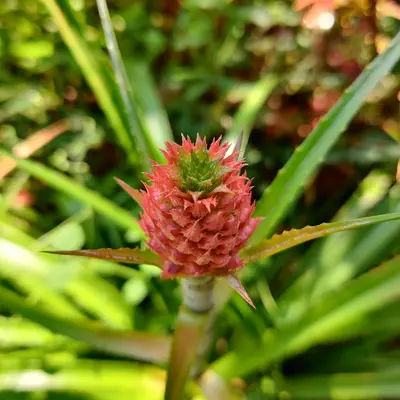
A charming woodland groundcover with heart-shaped leaves that forms lush carpets in shaded gardens. This native wildflower produces curious burgundy bell-shaped flowers hidden beneath the foliage in spring, pollinated by ground-dwelling beetles and ants. Its aromatic rhizomes were historically used as a ginger substitute by early settlers.
Sun
Partial shade
Zones
4–6
USDA hardiness
Height
6-12 inches
Planting Timeline
Showing dates for Wild Ginger in USDA Zone 4
All Zone 4 native-wildflower →Zone Map
Click a state to update dates
Wild Ginger · Zones 4–6
Growing Details
Complete Growing Guide
Light: Dappled Sunlight (Shade through upper canopy all day), Deep shade (Less than 2 hours to no direct sunlight), Partial Shade (Direct sunlight only part of the day, 2-6 hours). Soil: High Organic Matter, Shallow Rocky. Soil pH: Acid (<6.0), Neutral (6.0-8.0). Drainage: Good Drainage, Moist, Occasionally Wet. Height: 0 ft. 6 in. - 1 ft. 0 in.. Spread: 0 ft. 4 in. - 0 ft. 6 in.. Spacing: Less than 12 inches, 12 inches-3 feet. Growth rate: Slow. Maintenance: Low. Propagation: Root Cutting. Regions: Coastal, Mountains, Piedmont.
Harvesting
Displays from May to June.
Color: Brown/Copper, Green. Type: Capsule. Length: < 1 inch. Width: < 1 inch.
Harvest time: Summer
Storage & Preservation
Wild ginger rhizomes should be stored in a cool, dark, well-ventilated location away from direct sunlight. Keep at 45-55°F with moderate humidity to prevent drying or rot. Rhizomes have a shelf life of 2-3 months when stored properly. For preservation: (1) Dry rhizomes whole or sliced thin in a dehydrator at 95-105°F for 6-8 hours, then store in airtight containers for year-round use in teas and culinary applications. (2) Freeze cleaned rhizomes in airtight bags or containers for up to 6 months. (3) Infuse fresh rhizomes in vinegar or alcohol to create medicinal extracts with a shelf life of several months to a year.
History & Origin
Asarum canadense, commonly called Wild Ginger, is a native North American wildflower with no documented plant breeder or introduction date, as it has never been formally cultivated or hybridized. Rather than a commercial variety, Wild Ginger represents a heritage tradition of indigenous and early settler use spanning centuries across eastern woodlands from Canada through the Appalachian region. The plant's long history of ethnobotanical application—particularly the use of its aromatic rhizomes as a culinary and medicinal substitute for true ginger—reflects deep-rooted cultural practices rather than deliberate breeding. Its presence in contemporary native plant commerce stems from growing interest in supporting native flora for ecological restoration and shade gardening, making it a rediscovered rather than created variety.
Origin: North America
Advantages
- +Attracts: Butterflies, Pollinators, Songbirds
- +Low maintenance
Considerations
- -Toxic (Leaves, Roots, Stems): Medium severity
Companion Plants
Hostas, ferns, and Solomon's Seal pair well with Wild Ginger because they share its requirements: consistent moisture, soil pH between 5.5 and 7.0, and filtered light under a tree canopy. They also stack vertically without much conflict — Wild Ginger creeps along at 6–12 inches via rhizome while Solomon's Seal arches up to 3 feet above it and ferns fill the gap between. Trillium and Bloodroot round out a woodland edge planting nicely in our zone 7 Georgia gardens, especially since both go dormant before summer heat peaks and Wild Ginger spreads in to cover the gap they leave.
Mint is a genuine problem because its underground runners spread fast enough to physically crowd out a slower ground cover like Asarum canadense within a single growing season — if you want mint nearby, keep it in a buried container. Black Walnut is worse: its roots produce juglone, a compound that inhibits cell respiration in sensitive plants, and Wild Ginger is sensitive. NC State Extension recommends staying at least 50–60 feet from the walnut's drip line, and that's a reasonable rule to follow.
Plant Together
Hostas
Share similar shade and moisture requirements, complement each other's foliage textures
Ferns
Thrive in same woodland conditions, create layered forest understory effect
Trillium
Native woodland companion with similar soil and light preferences
Mayapple
Both prefer rich, moist woodland soils and dappled shade
Astilbe
Enjoys same moist, shaded conditions and adds complementary flowering texture
Heuchera
Native understory plant that shares moisture and shade requirements
Bloodroot
Early spring ephemeral that complements ginger's growing season
Solomon's Seal
Woodland native with compatible root systems and shade tolerance
Keep Apart
Mint
Aggressive spreader that can overwhelm wild ginger's delicate root system
Black Walnut
Produces juglone toxin that inhibits growth of many understory plants
Pachysandra
Dense mat-forming groundcover that competes aggressively for space and nutrients
Pests & Disease Resistance
Resistance
Very disease resistant, rarely has problems
Common Pests
Slugs, snails occasionally
Diseases
Root rot only in waterlogged soils
Troubleshooting Wild Ginger
What you'll see, why it happens, and what to do about it.
Irregular holes chewed in leaves, with silvery slime trails visible on or near the plant in the morning
Likely Causes
- Slug feeding — most active at night and after rain, especially in the dense, moist shade Wild Ginger prefers
- Snail feeding — same conditions, same damage pattern
What to Do
- 1.Set out iron phosphate bait (Sluggo or similar) around the crown in the evening — it's safe around other wildlife and breaks down into the soil
- 2.Pull back any thick leaf litter directly against the stems so slugs have fewer daytime hiding spots within 6 inches of the plant
- 3.Check under the leaves at night with a flashlight and hand-pick if the population is small
Rhizomes turning soft and brown, plant wilting despite moist soil, crown collapsing at or below the soil line
Likely Causes
- Pythium or Phytophthora root rot — both thrive in waterlogged, poorly drained soil
- Planting in a low spot where water pools after rain rather than draining through within a few hours
What to Do
- 1.Dig the plant, cut away any soft brown rhizome sections with a clean knife, dust cuts with powdered sulfur, and replant in a raised or better-draining spot
- 2.Amend the bed with coarse compost or fine pine bark to open up the soil structure before replanting
- 3.Water only when the top inch of soil is dry — Wild Ginger wants consistent moisture, not standing water
Frequently Asked Questions
How long does wild ginger take to establish as a groundcover?▼
Is wild ginger good for beginner gardeners?▼
Can you grow wild ginger in containers?▼
What does wild ginger taste and smell like?▼
When should I plant wild ginger?▼
What pests affect wild ginger and how do I control them?▼
Zone-by-Zone Planting Calendar
Growing Guides from Wind River Greens
Sources & References
External authority sources used in compiling this guide.
- ExtensionNC State Extension
See the Methodology page for how this data is sourced, what's AI-assisted, and known limitations.