Pineapple Smooth Cayenne
Ananas comosus 'Smooth Cayenne'
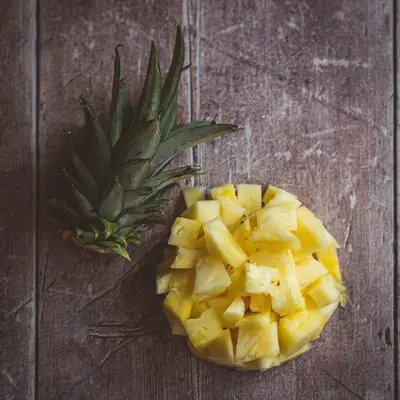
The classic pineapple variety that delivers that perfect balance of sweetness and acidity we all crave, and surprisingly easy to grow at home from a grocery store top. This commercial variety produces large, juicy fruits with minimal seeds and the iconic pineapple flavor that makes the 18-24 month wait absolutely worth it. Nothing beats the satisfaction of harvesting your own homegrown pineapple.
Harvest
540-730d
Days to harvest
Sun
Partial shade
Zones
10–12
USDA hardiness
Height
3-4 feet
Planting Timeline
Showing dates for Pineapple Smooth Cayenne in USDA Zone 11
All Zone 11 tropical →Zone Map
Click a state to update dates
Pineapple Smooth Cayenne · Zones 10–12
Growing Details
Complete Growing Guide
Light: Partial Shade (Direct sunlight only part of the day, 2-6 hours). Soil: High Organic Matter, Loam (Silt), Sand. Soil pH: Acid (<6.0). Drainage: Good Drainage, Moist. Height: 3 ft. 0 in. - 4 ft. 0 in.. Spread: 3 ft. 0 in. - 4 ft. 0 in.. Spacing: 3 feet-6 feet. Growth rate: Slow. Maintenance: High. Propagation: Stem Cutting. Regions: Coastal, Mountains, Piedmont.
Harvesting
The inflorescence is a syncarp of 100 to 200 berries fused during development to form a single fruit, the pineapple of commerce. When the fruit is ripe, it forms a waxy, tough outer rind made up of hexagonally shaped units (the berries) that change from green to yellow or slightly brown as it ripens. Oval, fleshy fruit when mature can be 12 inches long and weigh up to 6 to 8 pounds. Pineapples are seedless because they produce berries without pollination.
Color: Brown/Copper, Gold/Yellow, Green, Red/Burgundy. Type: Berry. Length: > 3 inches. Width: > 3 inches.
Garden value: Edible, Showy
Edibility: Sweet, succulent, aromatic mature fruit edible raw, cooked or preserved.
Storage & Preservation
Store freshly harvested Smooth Cayenne pineapples at room temperature (68–72°F) away from direct sunlight, as refrigeration can halt ripening and cause chilling injury. Place them in a well-ventilated container lined with paper towels to absorb excess moisture. Ripe fruit keeps for 3–5 days at room temperature, or 2–3 weeks if refrigerated after full maturity is reached. For longer preservation, freezing works exceptionally well: peel, core, and cut into chunks, then freeze on a tray before transferring to freezer bags for up to eight months. Canning as juice or in light syrup is reliable, though the high acidity means boiling water bath processing suffices. Drying slices in a dehydrator or low oven (135–150°F) concentrates the sweetness beautifully and stores for several months in airtight containers. The intense flavor holds well in preserves and sauces when combined with minimal added sugar. This variety's balanced acid-to-sugar ratio makes it particularly suited to juice extraction, which freezes cleanly without separation issues common in other cultivars.
History & Origin
Origin: Costa Rica to South Tropical America
Advantages
- +Edible: Sweet, succulent, aromatic mature fruit edible raw, cooked or preserved.
Considerations
- -Toxic (Fruits, Leaves, Sap/Juice): Low severity
- -Causes contact dermatitis
- -High maintenance
Companion Plants
Banana, papaya, and coconut palm work well near pineapple because they share the same tropical moisture and soil-acidity preferences without crowding at the same root depth — and their canopy takes the edge off intense afternoon sun, which suits Ananas comosus fine at just 4–6 hours of direct light. Ginger, turmeric, and lemongrass are shallow-rooted enough to slot in without competing, and lemongrass produces compounds that deter some of the sucking insects that target pineapple crowns. Eucalyptus and black walnut are the hard no's: walnut pushes juglone through the soil and eucalyptus releases cineole, and pineapple's shallow, acid-loving root system is particularly poor at tolerating either one.
Plant Together
Banana
Provides shade and windbreak, shares similar soil and water requirements
Coconut Palm
Creates beneficial microclimate with filtered sunlight and wind protection
Papaya
Compatible root systems, similar tropical growing conditions and water needs
Sweet Potato
Living mulch that suppresses weeds and retains soil moisture
Ginger
Repels root nematodes and thrives in similar humid, well-draining conditions
Lemongrass
Natural pest deterrent that repels insects and rodents
Turmeric
Acts as natural fungicide and shares compatible soil requirements
Comfrey
Deep roots bring nutrients to surface, leaves provide potassium-rich mulch
Keep Apart
Eucalyptus
Allelopathic compounds inhibit pineapple growth and development
Black Walnut
Releases juglone toxin that severely stunts pineapple growth
Pine Trees
Acidifies soil excessively and creates too much shade for optimal fruit development
Nutrition Facts
Per 100g serving. % Daily Value based on 2,000 calorie diet. Source: USDA FoodData Central (FDC #170932)
Pests & Disease Resistance
Resistance
Good resistance to most diseases, susceptible to root rot in wet conditions
Common Pests
Mealybugs, scale insects, nematodes, pineapple mites
Diseases
Heart rot, root rot, black rot, pink disease
Troubleshooting Pineapple Smooth Cayenne
What you'll see, why it happens, and what to do about it.
White cottony masses clustered at leaf bases and along the stem, leaves looking dull or slightly yellowed
Likely Causes
- Mealybugs (Pseudococcus spp.) — common in humid, warm conditions; they excrete honeydew that invites sooty mold
- Ants farming mealybug colonies and protecting them from predators
What to Do
- 1.Dab colonies directly with isopropyl alcohol on a cotton swab, or spray with neem oil solution (2 tbsp neem per gallon of water) every 7 days for 3 weeks
- 2.Control ant trails to the plant — a sticky barrier around the pot or stem base cuts off their protection racket
- 3.Inspect new crowns or slips before planting; mealybugs hitchhike in easily
Center leaves turning brown and mushy, pulling out with almost no resistance, foul smell at the crown
Likely Causes
- Heart rot caused by Phytophthora cinnamomi or Phytophthora parasitica — typically triggered by overwatering or standing water pooling in the rosette
- Crowns planted too deep so moisture stays trapped against the core
What to Do
- 1.Pull the plant and cut away all soft tissue; if the root zone is still firm you can try replanting in fast-draining mix, but most heart-rot cases don't come back
- 2.Drench surrounding soil with a copper-based fungicide to slow spread to neighboring plants
- 3.Next planting: set crowns so the base sits just at soil level, and don't let water sit in the leaf cup for more than 24 hours
Stunted growth over many months, roots sparse and brown-tipped when you pull the plant, no obvious above-ground pest
Likely Causes
- Root-knot nematodes (Meloidogyne spp.) — NC State Extension lists these as a primary pineapple pest; they're invisible until you dig and check the roots
- Root rot (Pythium spp.) from chronically wet, poorly draining soil
What to Do
- 1.Dig up and inspect roots: small galls or knots point to nematodes — solarize that bed for 6–8 weeks before replanting anything
- 2.If roots are black and mushy without galls, the drainage is the problem — a raised bed or container with a gritty mix held at pH 4.5–6.5 cuts Pythium incidence significantly
- 3.Start clean crowns or slips in fresh, sterile medium rather than reusing soil from a bed that had problems
Frequently Asked Questions
How long does it take to grow Pineapple Smooth Cayenne from planting to harvest?▼
Is Pineapple Smooth Cayenne good for beginners?▼
Can you grow Pineapple Smooth Cayenne in containers?▼
What does Pineapple Smooth Cayenne taste like?▼
How much sunlight does Pineapple Smooth Cayenne need?▼
What pests should I watch for when growing Pineapple Smooth Cayenne?▼
Zone-by-Zone Planting Calendar
Growing Guides from Wind River Greens
Sources & References
External authority sources used in compiling this guide.
- ExtensionNC State Extension
- USDAUSDA FoodData Central
See the Methodology page for how this data is sourced, what's AI-assisted, and known limitations.