Fizzy White
Cosmos bipinnatus
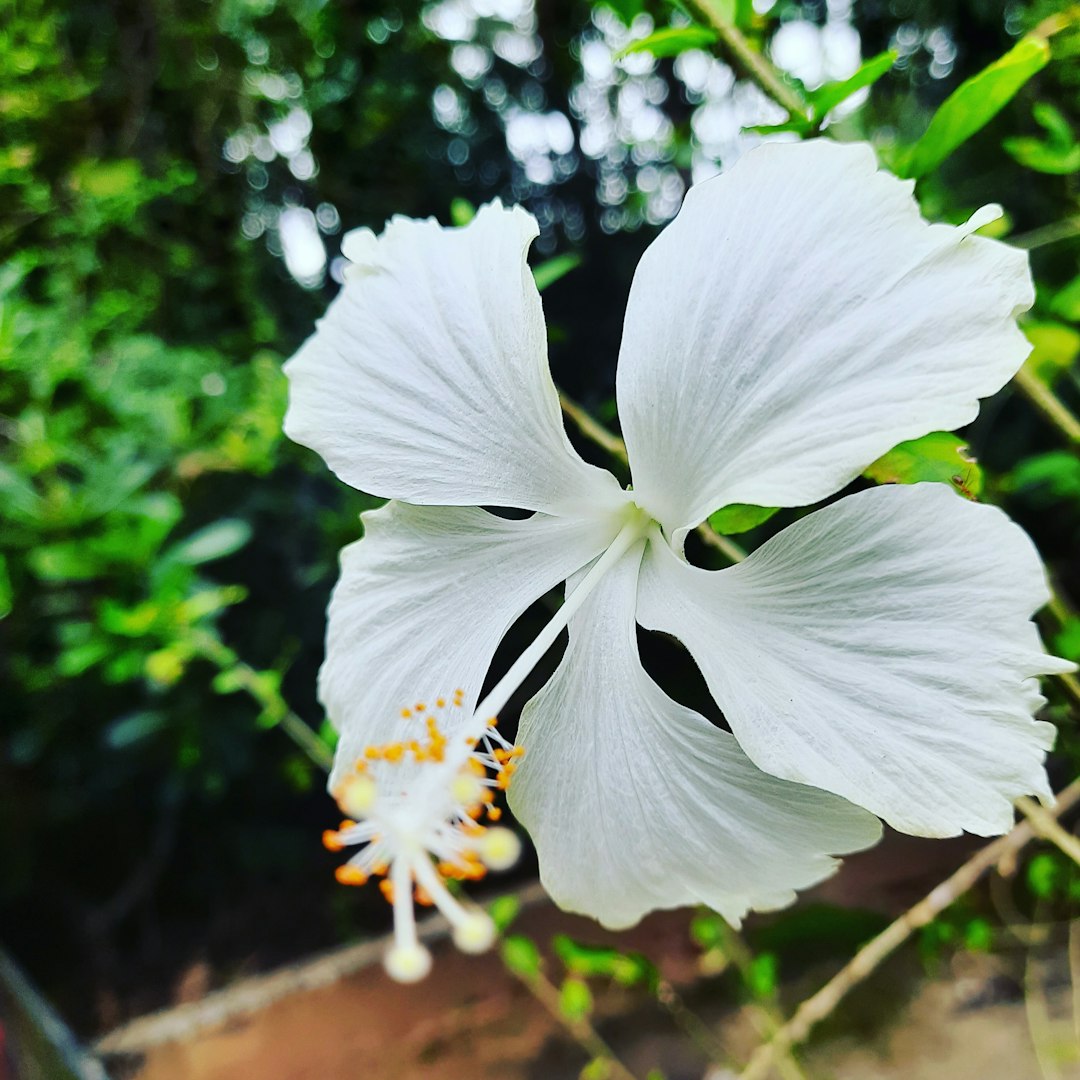
Large 2 1/2-4" pure white blooms. A semidouble or double flower appearance is achieved by Fizzy White's overlapping petals and tufted centers. The petals have lovely, fine pleats and zigzag edges, reminiscent of crisply pressed and pinked linens.
Harvest
75-90d
Days to harvest
Sun
Full sun to partial shade
Zones
2–11
USDA hardiness
Height
2-4 feet
Planting Timeline
Showing dates for Fizzy White in USDA Zone 7
All Zone 7 flower →Zone Map
Click a state to update dates
Fizzy White · Zones 2–11
Growing Details
Succession Planting
Direct sow every 3 weeks from your last frost date through early June — in zone 7, that's roughly April 1 through June 1. Each sowing pushes a fresh flush of blooms 75–90 days out, so staggering keeps you cutting through late fall instead of getting one big wave and then a gap. A late May direct sow will still flower before hard frost.
Stop sowing once daytime highs are consistently above 90°F — germination drops off sharply in hot soil and the seedlings tend to stall rather than catch up. If you miss the spring window, wait until late August for one final sowing; cosmos handles light frost and will keep blooming until temperatures drop into the mid-20s°F.
Complete Growing Guide
Large 2 1/2-4" pure white blooms. A semidouble or double flower appearance is achieved by Fizzy White's overlapping petals and tufted centers. The petals have lovely, fine pleats and zigzag edges, reminiscent of crisply pressed and pinked linens. According to Johnny's Selected Seeds, Fizzy White is 75 - 90 days to maturity, annual, open pollinated. Notable features: Use for Cut Flowers and Bouquets, Attracts Beneficial Insects.
Light: Full sun (6 or more hours of direct sunlight a day), Partial Shade (Direct sunlight only part of the day, 2-6 hours). Soil: Clay, Loam (Silt), Sand. Soil pH: Alkaline (>8.0), Neutral (6.0-8.0). Drainage: Good Drainage, Occasionally Dry. Height: 2 ft. 0 in. - 4 ft. 0 in.. Spread: 2 ft. 0 in. - 3 ft. 0 in.. Spacing: 12 inches-3 feet. Growth rate: Rapid. Maintenance: Low. Propagation: Seed. Regions: Coastal, Mountains, Piedmont.
Harvesting
Fizzy White reaches harvest at 75 - 90 days from sowing per Johnny's Selected Seeds. Expect 2 1/2-4" at peak. As an annual, harvest continues until frost ends the season.
Type: Capsule.
Storage & Preservation
Fizzy White blooms are best stored fresh in a cool location away from direct sunlight and ethylene-producing fruits. Keep stems in clean water at room temperature (65-72°F) with moderate humidity for 5-7 days of vase life. For short-term storage, refrigerate stems in water at 35-40°F to extend freshness up to 10 days. Preservation methods include: (1) Air-drying—bundle stems and hang upside down in a cool, dark, well-ventilated space for 1-2 weeks; (2) Pressing—place individual petals between parchment paper under heavy weight for 2-3 weeks to create floral keepsakes; (3) Silica gel drying—bury blooms in silica gel in an airtight container for 3-7 days to preserve color and form for arrangements.
History & Origin
Fizzy White is open-pollinated, meaning seed saved from healthy plants will produce true-to-type offspring. Listed in the Johnny's Selected Seeds catalog.
Origin: Mexico and southwest North America
Advantages
- +Large pure white blooms create stunning focal points in garden arrangements.
- +Distinctive pleated petals and zigzag edges provide unique textural interest.
- +Easy to grow makes Fizzy White ideal for beginner gardeners.
- +Semidouble flowers offer fuller appearance than standard cosmos varieties.
- +75-90 day maturity provides relatively quick blooms from seed.
Considerations
- -White flowers may appear washed out in bright afternoon sunlight.
- -Delicate pleated petals are prone to damage from heavy rain.
- -Requires deadheading to maintain continuous blooming throughout season.
Companion Plants
Marigolds (especially Tagetes patula) are worth planting within 12–18 inches of cosmos — they deter aphids and whiteflies through scent, and both bloom on a similar schedule, so you're not doing any timing math. Sweet alyssum as a low border beneath cosmos pulls in parasitic wasps and hoverflies that move through an aphid population faster than insecticidal soap. Nasturtiums earn their spot as a trap crop, drawing aphids onto themselves before the colonies find your cosmos buds.
Black walnut trees produce juglone, a root-exuded compound toxic enough to stunt or kill cosmos anywhere within roughly 50 feet of the trunk — if you've got one on the property, plan your cutting garden on the far side of it. Sunflowers are a subtler problem: their roots and decomposing leaf litter release allelopathic compounds that can slow neighboring annuals. Cosmos is sensitive enough that keeping sunflowers in a separate bed — or at least 3 feet away — is the easier call.
Plant Together
Marigolds
Repel aphids, whiteflies, and nematodes while attracting beneficial insects
Sweet Alyssum
Attracts beneficial insects like lacewings and provides ground cover
Nasturtiums
Act as trap crops for aphids and cucumber beetles, protecting nearby flowers
Lavender
Repels moths, fleas, and flies while attracting pollinators
Petunias
Natural pest deterrent against aphids, tomato hornworms, and squash bugs
Chives
Repel aphids and improve soil health with sulfur compounds
Cosmos
Attract beneficial insects and provide habitat for predatory insects
Zinnia
Attract butterflies and beneficial insects while providing color contrast
Keep Apart
Black Walnut Trees
Release juglone toxin that inhibits growth of many flowering plants
Eucalyptus
Produces allelopathic compounds that suppress nearby plant growth
Sunflowers
May inhibit growth of smaller flowers through allelopathy and competition for resources
Pests & Disease Resistance
Common Pests
Aphids, spider mites, whiteflies
Diseases
Powdery mildew, gray mold (Botrytis), root rot in poorly draining soil
Troubleshooting Fizzy White
What you'll see, why it happens, and what to do about it.
White powdery coating on upper leaf surfaces, usually showing up mid-summer when nights cool down
Likely Causes
- Powdery mildew (Erysiphe cichoracearum) — a fungal pathogen that thrives when days are warm and nights drop below 65°F with high humidity
- Poor airflow from overcrowded planting or too much shade
What to Do
- 1.Space plants at least 18 inches apart — crowding is the single biggest setup for this disease
- 2.Spray affected leaves with a diluted baking soda solution (1 tablespoon per gallon of water) or a potassium bicarbonate product; repeat every 7 days
- 3.Remove the worst-hit stems and trash them — don't compost
Clusters of small soft-bodied insects on new growth and flower buds, sometimes accompanied by sticky residue or curled shoot tips
Likely Causes
- Aphids (commonly Myzus persicae or Macrosiphum euphorbiae) — they zero in on tender new growth, especially if the plant is over-fertilized with nitrogen
- Absence of predatory insects like ladybugs (Coccinella septempunctata) and lacewings
What to Do
- 1.Knock them off with a firm stream of water from a hose — repeat daily for 3-4 days
- 2.If they rebound, apply insecticidal soap spray directly on the colonies; coat the undersides of leaves
- 3.Avoid high-nitrogen fertilizers on cosmos — lush, soft growth is what aphids are after
Stems collapsing at the soil line, lower leaves turning brown and mushy, plants dying suddenly after a wet stretch
Likely Causes
- Root rot from Pythium or Rhizoctonia — triggered by waterlogged soil, especially in heavy clay
- Gray mold (Botrytis cinerea) — attacks crowded plants in cool, wet conditions, starting at the base
What to Do
- 1.Pull the affected plant — there's no saving it once the crown is gone; don't leave it in the bed to spread spores
- 2.Improve drainage before replanting: work in 2-3 inches of coarse compost or grit, or raise the bed entirely
- 3.Don't water in the evening; cosmos roots sitting in wet soil overnight is how this starts
Frequently Asked Questions
How long do Fizzy White flowers last in a vase?▼
Is Fizzy White a good flower for beginner gardeners?▼
Can you grow Fizzy White flowers in containers?▼
When should I plant Fizzy White seeds?▼
What makes Fizzy White different from other white flowers?▼
How much space do Fizzy White plants need?▼
Zone-by-Zone Planting Calendar
| Zone | Indoor Start | Transplant | Direct Sow | Harvest |
|---|---|---|---|---|
| Zone 3 | April – May | June – July | June – August | — |
| Zone 4 | March – April | June – June | June – July | — |
| Zone 5 | March – April | May – June | May – July | — |
| Zone 6 | March – April | May – June | May – July | — |
| Zone 7 | February – March | April – May | April – June | — |
| Zone 8 | February – March | April – May | April – June | — |
| Zone 9 | January – February | March – April | March – May | — |
| Zone 10 | January – January | February – March | February – April | — |
| Zone 1 | May – June | July – August | July – September | — |
| Zone 2 | April – May | June – July | June – August | — |
| Zone 11 | January – January | January – February | January – March | — |
| Zone 12 | January – January | January – February | January – March | — |
| Zone 13 | January – January | January – February | January – March | — |
Growing Guides from Wind River Greens
Sources & References
External authority sources used in compiling this guide.
- BreederJohnny's Selected Seeds
See the Methodology page for how this data is sourced, what's AI-assisted, and known limitations.