Roseum
Sedum spurium 'Roseum'
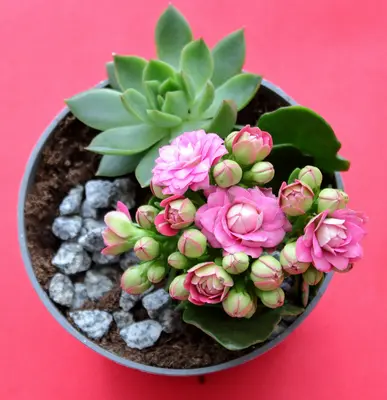
A hardy groundcover sedum that transforms from green to brilliant rosy-pink in cool weather and full sun exposure. This vigorous spreader produces clusters of bright pink star-shaped flowers in summer, creating a stunning carpet effect. Perfect for rock gardens, borders, or anywhere you need reliable color and texture.
Sun
Full sun to partial shade
Zones
3–9
USDA hardiness
Height
3-24 inches
Complete Growing Guide
Light: Full sun (6 or more hours of direct sunlight a day), Partial Shade (Direct sunlight only part of the day, 2-6 hours). Soil: Clay, Loam (Silt), Sand, Shallow Rocky. Drainage: Good Drainage, Occasionally Dry, Very Dry. Height: 0 ft. 3 in. - 2 ft. 0 in.. Spread: 2 ft. 0 in. - 3 ft. 0 in.. Growth rate: Slow. Maintenance: Low, Medium. Propagation: Leaf Cutting, Seed, Stem Cutting. Regions: Coastal, Mountains, Piedmont.
Harvesting
Fruit follicular, membranous or leathery, often surrounded by a persistent membranous corolla, opening on the adaxial side, Seeds mostly minute, usually with fleshy endosperm.
Type: Capsule. Length: < 1 inch. Width: < 1 inch.
Edibility: The stems and leaves can be eaten raw when very young and tender. Later, until they flower, they may be eaten after briefly cooking. Not poisonous, but when eaten in quantity, can cause stomach upset.
Storage & Preservation
Roseum is an ornamental succulent not meant for consumption. For plant storage, keep in a cool location (50-65°F) with low humidity if dormant during winter. The plant itself has excellent longevity when established in the garden—5+ years or indefinitely with proper care. For propagation preservation, store detached leaves or cuttings in a cool, dry place (60-70°F) for 1-2 weeks before planting. Alternatively, allow cuttings to callus for 3-5 days at room temperature before inserting into well-draining soil. Rooted plants can be divided in spring and replanted immediately or stored briefly in cool conditions wrapped in dry paper.
History & Origin
Origin: East Asia
Advantages
- +Attracts: Bees, Butterflies, Pollinators, Songbirds
- +Low maintenance
Companion Plants
Thyme, lavender, and rosemary are the best neighbors for Roseum — all three thrive in lean soil with sharp drainage and 6 or more hours of direct sun, so you're not trying to satisfy competing needs in the same bed. Hens and Chicks (Sempervivum) and low-growing Sedum varieties fit in for the same reason, and their shallow root systems (rarely past 6 inches) mean nobody undercuts anybody else. Hostas, ferns, and impatiens belong somewhere else entirely — they need consistently moist, organic-rich soil, and any watering schedule that keeps them happy will rot Roseum's crown by midsummer.
Plant Together
Thyme
Drought-tolerant herb that thrives in same well-draining soil conditions
Hens and Chicks (Sempervivum)
Similar water and soil requirements, creates attractive textural contrast
Jade Plant
Compatible watering schedules and both prefer well-draining soil
Stonecrop (Sedum)
Same family plant with identical care needs and drought tolerance
Echeveria
Matching sun exposure and minimal water requirements
Lavender
Both prefer dry conditions and lavender repels pests that may damage succulents
Agave
Compatible xerophytic plants with similar water conservation needs
Rosemary
Shares preference for dry, well-draining soil and full sun exposure
Keep Apart
Hostas
Requires consistently moist soil which can cause root rot in succulents
Ferns
Need high humidity and frequent watering that conflicts with succulent care
Impatiens
Requires regular watering and shade, opposite of succulent growing conditions
Mint
Aggressive spreader that needs moist soil and can overwhelm succulents
Pests & Disease Resistance
Resistance
Very disease resistant, extremely hardy
Common Pests
Slugs, snails occasionally, very pest resistant
Diseases
Crown rot in poorly drained soils
Troubleshooting Roseum
What you'll see, why it happens, and what to do about it.
Stems rotting at the base, plant pulling loose from soil with little resistance
Likely Causes
- Crown rot caused by Phytophthora or Pythium — both triggered by waterlogged soil or poor drainage
- Planting too deep, burying the crown in moisture-retaining soil
What to Do
- 1.Dig the plant, cut away all mushy stem tissue with a clean blade, and let it air-dry for 24 hours before replanting
- 2.Amend the bed with coarse grit or pea gravel — aim for a mix that drains completely within an hour of watering
- 3.Raise the planting site or switch to a container with drainage holes; this plant will not tolerate standing water
Ragged holes chewed in leaves overnight, shiny slime trails on soil or foliage by morning
Likely Causes
- Slugs (Arion or Deroceras species) — more active after rain or irrigation, especially in shadier spots
- Snails, which cause identical damage but leave a slightly thicker trail
What to Do
- 1.Scatter iron phosphate bait (Sluggo or equivalent) around the base — it breaks down into fertilizer and won't harm soil biology
- 2.Relocate the plant to a sunnier position with better airflow; slugs avoid dry, exposed ground
- 3.Flip nearby pots or boards during the day and remove slugs by hand — populations drop fast once you find where they're sheltering