Catalpa
Catalpa bignonioides
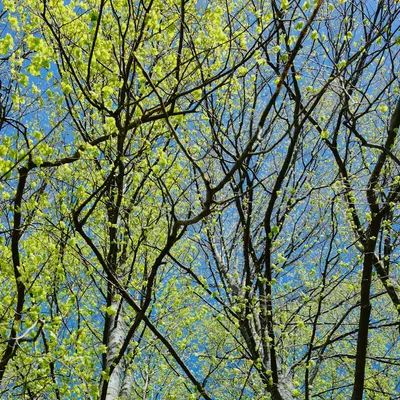
A distinctive shade tree with huge heart-shaped leaves and showy clusters of white orchid-like flowers in late spring. Fast-growing and hardy, it produces long bean-like seed pods that hang from branches all winter, creating unique architectural interest. Perfect for homeowners wanting quick shade with tropical flair.
Sun
Full sun to partial shade
Zones
5–9
USDA hardiness
Height
30-60 feet
Planting Timeline
Showing dates for Catalpa in USDA Zone 7
All Zone 7 shade-tree →Zone Map
Click a state to update dates
Catalpa · Zones 5–9
Growing Details
Complete Growing Guide
Light: Full sun (6 or more hours of direct sunlight a day), Partial Shade (Direct sunlight only part of the day, 2-6 hours). Soil: Clay, Loam (Silt), Sand. Soil pH: Acid (<6.0), Alkaline (>8.0), Neutral (6.0-8.0). Drainage: Good Drainage, Moist. Height: 30 ft. 0 in. - 60 ft. 0 in.. Spread: 20 ft. 0 in. - 40 ft. 0 in.. Spacing: 24-60 feet. Growth rate: Rapid. Maintenance: Medium. Propagation: Root Cutting, Seed, Stem Cutting. Regions: Mountains, Piedmont.
Harvesting
After flowering, seeds appear in long narrow pods (to 15 inches long). Pods mature to dark brown in fall and then split open lengthwise to release the seeds. Seed pods give rise to the common name of cigar tree. Seeds ripen from October to December.
Color: Brown/Copper. Type: Capsule. Length: > 3 inches. Width: 1-3 inches.
Harvest time: Fall, Winter
Storage & Preservation
Catalpa is an ornamental shade tree, not a food crop, so traditional storage and preservation methods don't apply. However, seed pods can be collected and air-dried for decorative purposes. Store dried pods in a cool, dry location (50-70°F, 30-40% humidity) in paper bags away from moisture. They remain viable for display for several years. For propagation, catalpa seeds should be stratified (cold-treated) for 30 days before spring planting. Living trees require proper dormant storage conditions over winter with mulching protection in colder climates.
History & Origin
Origin: Southeastern North America
Advantages
- +Attracts: Bees
- +Fast-growing
Companion Plants
The beneficial companions listed for Catalpa are all shade-tolerant understory plants — Hosta, Ferns, Astilbe, Heuchera, Wild Ginger, Impatiens, Caladium, Coral Bells — and that's the whole logic. A mature Catalpa throws dense shade across a 30-40 foot radius, and most common garden plants give up under it. These companions are chosen because they've already adapted to low-light, root-competitive conditions. Hostas and ferns in particular handle the dry shade that develops under a broad canopy once the tree is 10-plus years old, where summer rainfall doesn't penetrate the leaf canopy reliably. Wild Ginger (Asarum canadense) works as a slow-spreading ground cover that fills gaps without staging any real fight for resources at the root zone.
The harmful companions tell a cleaner story. Black Walnut (Juglans nigra) produces juglone, an allelopathic compound that leaches through the soil and can stunt or kill a wide range of plants within its root zone — siting a young Catalpa near one is asking for a slow decline you'll spend two seasons misdiagnosing. Grass lawn directly under the drip line is the more common mistake: dense turf competes hard for water and nutrients, and mowers nicking the bark year after year cause cumulative cambium damage that opens the tree to Phyllosticta and other opportunistic fungi. Roses and tomatoes are on the harmful list mainly because they need 6-8 hours of direct sun — they'll fail on their own under a Catalpa canopy well before they cause the tree any trouble.
Plant Together
Hosta
Thrives in partial shade under catalpa canopy, complementary root depths
Ferns
Excellent shade tolerance, adds texture contrast to catalpa understory
Astilbe
Flourishes in dappled shade, provides colorful blooms under tree canopy
Heuchera
Shade-loving perennial with attractive foliage that complements catalpa's large leaves
Wild Ginger
Native groundcover that thrives in catalpa's filtered shade conditions
Impatiens
Shade-tolerant annual providing continuous color under catalpa branches
Caladium
Heat and humidity tolerant shade plant that pairs well with catalpa's growing conditions
Coral Bells
Tolerates shade well and provides season-long foliage interest
Keep Apart
Black Walnut
Produces juglone which is toxic to catalpa and inhibits its growth
Rose
Competes for nutrients and requires full sun conditions catalpa canopy prevents
Tomato
Catalpa leaves contain compounds that may inhibit nightshade family growth
Grass Lawn
Competes aggressively for water and nutrients, catalpa roots are shallow
Pests & Disease Resistance
Resistance
Generally disease resistant
Common Pests
Catalpa sphinx caterpillars, aphids
Diseases
Leaf spot, powdery mildew (minor issues)
Troubleshooting Catalpa
What you'll see, why it happens, and what to do about it.
Large, pale green caterpillars — up to 3 inches long — stripping leaves from branches, sometimes defoliating entire limbs mid-summer
Likely Causes
- Catalpa sphinx moth (Ceratomia catalpae) — the larvae feed almost exclusively on Catalpa foliage and can appear in huge numbers in a single season
What to Do
- 1.Hand-pick caterpillars off smaller branches if the infestation is light; drop them in soapy water
- 2.Apply Bacillus thuringiensis (Bt) to foliage at first sign of young larvae — it loses effectiveness once caterpillars are fully grown
- 3.Note that a healthy Catalpa will typically releaf after defoliation; one bad year rarely kills the tree
Brown or tan circular spots on leaves, sometimes with a yellow halo, appearing in wet summers — often looks worse than it is
Likely Causes
- Leaf spot fungi (including Phyllosticta catalpae) — spread by rain splash and favored by humid, crowded conditions
- Powdery mildew (Erysiphe spp.) — shows as a white powdery coating, mostly cosmetic, worst in late summer
What to Do
- 1.Rake and dispose of fallen leaves in autumn — don't leave infected debris under the tree to overwinter
- 2.Avoid overhead irrigation directly on the canopy; water at the root zone instead
- 3.No fungicide treatment is usually warranted; NC State Extension classifies these as minor issues on established trees
Frequently Asked Questions
Is Catalpa a good shade tree for beginners?▼
How long does it take for a Catalpa tree to mature?▼
Can Catalpa trees grow in containers?▼
What are the long bean-like pods on Catalpa trees?▼
When is the best time to plant a Catalpa tree?▼
What pests affect Catalpa trees?▼
Zone-by-Zone Planting Calendar
Growing Guides from Wind River Greens
Sources & References
External authority sources used in compiling this guide.
- ExtensionNC State Extension
See the Methodology page for how this data is sourced, what's AI-assisted, and known limitations.