Hydrangea Endless Summer
Hydrangea macrophylla 'Endless Summer'
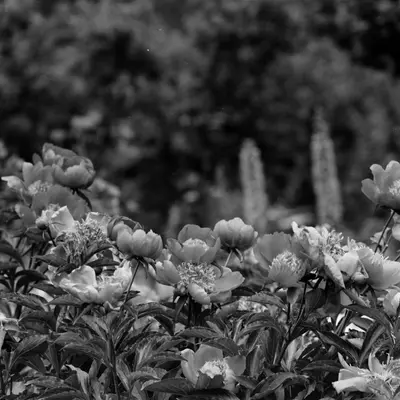
A revolutionary reblooming hydrangea that produces stunning blooms on both old and new wood, extending the flowering season from spring through fall. The large, rounded flower heads change color based on soil pH, creating a dynamic display that evolves throughout the growing season. This hardy variety has transformed hydrangea growing by offering continuous blooms and exceptional cold tolerance.
Sun
Partial shade
Zones
6–11
USDA hardiness
Height
3-6 feet
Planting Timeline
Showing dates for Hydrangea Endless Summer in USDA Zone 7
All Zone 7 flower →Zone Map
Click a state to update dates
Hydrangea Endless Summer · Zones 6–11
Growing Details
Complete Growing Guide
Light: Dappled Sunlight (Shade through upper canopy all day), Deep shade (Less than 2 hours to no direct sunlight), Partial Shade (Direct sunlight only part of the day, 2-6 hours). Soil: Clay, High Organic Matter, Loam (Silt), Sand. Soil pH: Acid (<6.0), Alkaline (>8.0), Neutral (6.0-8.0). Drainage: Good Drainage, Occasionally Wet. Height: 3 ft. 0 in. - 6 ft. 0 in.. Spread: 3 ft. 0 in. - 6 ft. 0 in.. Spacing: 3 feet-6 feet. Growth rate: Rapid. Maintenance: Low. Propagation: Layering, Leaf Cutting, Stem Cutting. Regions: Coastal, Mountains, Piedmont.
Harvesting
cup-like capsule
Type: Capsule.
Harvest time: Fall
Storage & Preservation
Fresh hydrangea stems last 5-7 days in arrangements when properly conditioned. Immediately after cutting, place stems in lukewarm water and recut under running water. Strip leaves below the waterline and crush or split woody stem ends to improve water uptake. Keep arrangements away from direct sunlight and change water every 2-3 days.
For air drying, strip leaves and hang bundles upside down in a dark, well-ventilated area for 2-3 weeks. Alternatively, place stems in containers with 2 inches of water and let them slowly dry as water evaporates—this method often produces better color retention.
Glycerin preservation maintains flexibility and creates elegant displays. Mix one part glycerin with two parts warm water, and place freshly cut stems in the solution for 3-6 days until petals feel supple. Properly preserved hydrangeas maintain their beauty for months in dried arrangements and wreaths.
History & Origin
Origin: Japan, China, Korea and Southeast Asia;
Advantages
- +Fast-growing
- +Low maintenance
Considerations
- -Toxic (Bark, Flowers, Leaves): Low severity
Companion Plants
The best companions for Endless Summer are shade-tolerant perennials that share its preference for moist, slightly acidic soil without fighting it for resources. Hosta and Astilbe are the workhorses here — both stay shallow-rooted and fill the gaps at ground level without competing with the hydrangea's wider root zone. Japanese Painted Fern does the same job with a bit more visual contrast against the large mophead blooms. In our zone 7 Georgia gardens, pairing Endless Summer with Camellia or Azalea makes practical sense: they all want a pH between 5.5 and 6.5, so one round of sulfur amendment covers the whole bed rather than spot-treating individual plants.
Black Walnut (Juglans nigra) is a hard no. It releases juglone through its roots and decomposing leaf litter, and Hydrangea macrophylla is sensitive enough that wilting and dieback can show up within a single growing season of planting nearby — NC State Extension puts the damage radius at 50-60 feet from the trunk. Pine trees are a subtler problem: heavy needle accumulation can drag soil pH below 5.5, which stresses the root system even if the temporarily bluer flower color fools you into thinking things are fine.
Plant Together
Hosta
Thrives in similar partial shade conditions and provides contrasting foliage texture
Astilbe
Shares preference for moist, well-draining soil and partial shade
Fern
Creates natural woodland understory effect and enjoys same acidic soil conditions
Heuchera
Complements with colorful foliage and tolerates similar light and moisture conditions
Camellia
Both prefer acidic soil and partial shade, blooms at different times extending garden interest
Azalea
Shares acidic soil requirements and creates beautiful spring-summer bloom succession
Japanese Painted Fern
Provides striking silver foliage contrast and thrives in same moist, shaded conditions
Impatiens
Fills understory space with continuous color and enjoys same partial shade environment
Keep Apart
Black Walnut Tree
Produces juglone toxin that can stunt hydrangea growth and cause leaf yellowing
Eucalyptus
Releases allelopathic compounds that inhibit growth of nearby plants
Pine Trees
Creates too much shade and acidic needle drop can make soil overly acidic
Pests & Disease Resistance
Resistance
Good resistance to powdery mildew and leaf spot
Common Pests
Aphids, spider mites, scale insects
Diseases
Powdery mildew, leaf spot, root rot in poorly drained soil
Troubleshooting Hydrangea Endless Summer
What you'll see, why it happens, and what to do about it.
White powdery coating on leaf surfaces, usually appearing mid-summer when nights cool down but days stay warm
Likely Causes
- Powdery mildew (Erysiphe polygoni) — a fungal disease that thrives in humid air with poor circulation
- Planting too close to walls or other shrubs, blocking airflow around the canopy
What to Do
- 1.Thin out any crossing interior branches to open up the plant — even a little airflow helps a lot
- 2.Apply a diluted neem oil spray (2 tablespoons per gallon of water) every 7-10 days until symptoms stop spreading
- 3.Don't overhead-water in the evening; switch to drip or water at the base early in the morning
Leaves wilting and yellowing at the base of the plant, roots look brown and mushy when you pull one up
Likely Causes
- Phytophthora root rot — triggered by consistently waterlogged soil, especially in heavy clay
- Planting in a low spot where water pools after rain
What to Do
- 1.If caught early, improve drainage immediately by working 2-3 inches of coarse grit or perlite into the surrounding soil
- 2.Dig the shrub, trim off visibly rotted roots with clean pruners, and replant in a raised bed or amended site with a soil pH of 5.5-6.5
- 3.Don't replant a Hydrangea macrophylla in the same spot without fixing the drainage first — Phytophthora persists in saturated soil and will take the replacement plant too
Frequently Asked Questions
How long does Endless Summer hydrangea take to bloom?▼
Can you grow Endless Summer hydrangea in containers?▼
Why is my Endless Summer hydrangea not blooming?▼
When should I plant Endless Summer hydrangea?▼
What's the difference between Endless Summer and regular hydrangeas?▼
How do I change my Endless Summer hydrangea color?▼
Zone-by-Zone Planting Calendar
| Zone | Indoor Start | Transplant | Direct Sow | Harvest |
|---|---|---|---|---|
| Zone 1 | May – June | July – August | July – September | — |
| Zone 2 | April – May | June – July | June – August | — |
| Zone 11 | January – January | January – February | January – March | — |
| Zone 12 | January – January | January – February | January – March | — |
| Zone 13 | January – January | January – February | January – March | — |
| Zone 3 | April – May | June – July | June – August | — |
| Zone 4 | March – April | June – June | June – July | — |
| Zone 5 | March – April | May – June | May – July | — |
| Zone 6 | March – April | May – June | May – July | — |
| Zone 7 | February – March | April – May | April – June | — |
| Zone 8 | February – March | April – May | April – June | — |
| Zone 9 | January – February | March – April | March – May | — |
| Zone 10 | January – January | February – March | February – April | — |
Growing Guides from Wind River Greens
Sources & References
External authority sources used in compiling this guide.
- ExtensionNC State Extension
See the Methodology page for how this data is sourced, what's AI-assisted, and known limitations.