Weigela Wine and Roses
Weigela florida 'Alexandra'
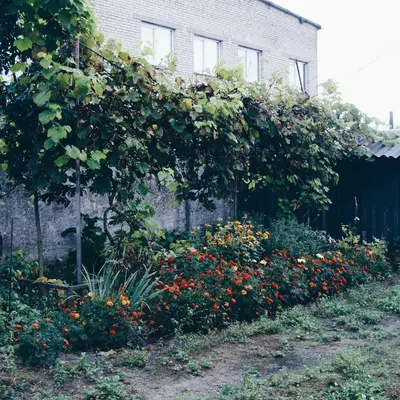
This award-winning shrub combines striking burgundy foliage with masses of rosy-pink trumpet flowers in late spring. The dramatic dark leaves provide season-long color interest, making this compact weigela perfect for adding bold contrast to mixed borders. It's remarkably easy to grow and attracts hummingbirds while deer tend to avoid it.
Sun
Full sun to partial shade
Zones
4–8
USDA hardiness
Height
6-10 feet
Planting Timeline
Showing dates for Weigela Wine and Roses in USDA Zone 7
All Zone 7 shrub →Zone Map
Click a state to update dates
Weigela Wine and Roses · Zones 4–8
Growing Details
Complete Growing Guide
Light: Dappled Sunlight (Shade through upper canopy all day), Full sun (6 or more hours of direct sunlight a day), Partial Shade (Direct sunlight only part of the day, 2-6 hours). Soil: Clay, Loam (Silt), Sand. Soil pH: Acid (<6.0), Alkaline (>8.0), Neutral (6.0-8.0). Drainage: Good Drainage, Moist. Height: 6 ft. 0 in. - 10 ft. 0 in.. Spread: 9 ft. 0 in. - 12 ft. 0 in.. Spacing: 12-24 feet. Growth rate: Medium. Maintenance: Low. Propagation: Stem Cutting. Regions: Coastal, Mountains, Piedmont.
Harvesting
Inconspicuous fruit is a 2-valved oblong capsule. The seeds are unwinged to slightly winged.
Color: Brown/Copper. Type: Capsule.
Storage & Preservation
Weigela Wine and Roses is an ornamental shrub—not harvested for storage like produce. For cut flowers, place stems in water immediately after cutting and store in a cool location (50-65°F). Keep away from direct sunlight and ethylene-producing fruits. Cut flowers last 5-7 days with regular water changes. To preserve the foliage's burgundy color, maintain consistent moisture during growing season. For long-term preservation, dried flowers and seed heads can be air-dried in a cool, dark place for dried arrangements. Propagate new plants via semi-hardwood cuttings in summer, rooting in moist soil for future seasons.
History & Origin
Origin: Northern China, Korea and Japan
Advantages
- +Striking burgundy foliage provides season-long visual interest and bold contrast
- +Award-winning variety produces masses of rosy-pink trumpet flowers reliably
- +Compact size makes it perfect for mixed borders and smaller spaces
- +Remarkably easy to grow with minimal care requirements for most gardeners
- +Attracts hummingbirds while deer naturally avoid browsing on it
Considerations
- -Susceptible to powdery mildew in humid climates requiring preventive treatment
- -Prone to aphid and scale insect infestations needing regular monitoring
- -Vulnerable to crown gall disease which can kill affected plants
- -Leaf spot disease can develop in wet conditions affecting appearance
Companion Plants
Catmint (Nepeta spp.) and Heuchera are solid choices planted at the feet of 'Wine and Roses' — both stay under 18 inches, won't compete seriously for root space, and the purple tones in each read well against the shrub's dark burgundy foliage without fighting it. Daylilies and Spirea work at slightly more distance; they bloom on a compatible May–June schedule and thrive in the same pH range (6.0–7.0), so you're not juggling two different fertility programs. Japanese Painted Fern earns a spot on the shadier north side of the shrub, where it gets the 4-hour minimum it needs without baking in afternoon sun.
The three to avoid all cause real harm, not just aesthetic friction. Black Walnut produces juglone through its roots and leaf litter — a compound that interferes with respiration in many woody plants, and Weigela is susceptible. Norway Maple roots run shallow and wide, pulling moisture from the top 12 inches of soil where Weigela feeds most actively; anything planted inside its drip line loses that competition. Eucalyptus releases allelopathic compounds through both root exudates and decomposing leaves that suppress establishment in neighboring plants — a problem that persists even after the tree is removed.
Plant Together
Japanese Painted Fern
Silver foliage creates striking contrast with dark burgundy leaves
Catmint
Repels aphids and other pests while providing long-blooming purple flowers
Brunnera
Heart-shaped leaves complement weigela foliage, tolerates same light conditions
Spirea
Similar growth habits and pruning requirements, complementary bloom times
Daylilies
Deep roots don't compete with shallow weigela roots, provide summer color
Hostas
Provide complementary foliage texture and thrive in similar partial shade conditions
Astilbe
Share similar moisture and light requirements, bloom in complementary colors
Heuchera
Colorful foliage complements wine-colored leaves, similar growing conditions
Keep Apart
Black Walnut
Produces juglone toxin that inhibits growth of many shrubs including weigela
Norway Maple
Dense shade and shallow roots compete heavily for water and nutrients
Eucalyptus
Allelopathic compounds inhibit growth of nearby plants
Pests & Disease Resistance
Resistance
Good disease resistance, very hardy
Common Pests
Aphids, scale insects, nematodes
Diseases
Crown gall, leaf spot, powdery mildew in humid conditions
Troubleshooting Weigela Wine and Roses
What you'll see, why it happens, and what to do about it.
Sticky residue on stems and leaves, often with a black sooty coating and clusters of soft-bodied insects on new growth
Likely Causes
- Aphid infestation — several species target Weigela, congregating on tender spring shoots
- Sooty mold (Capnodium spp.) colonizing aphid honeydew after populations build
What to Do
- 1.Knock aphids off with a strong spray of water from a hose — repeat every 2–3 days until populations drop
- 2.If that's not enough, apply insecticidal soap to affected stems, covering undersides of leaves
- 3.Encourage or avoid disturbing nearby ladybeetle populations, which will work the colony down on their own
Rough, corky galls at or just below the soil line on the crown or main stems, noticed at transplant or during a spring inspection
Likely Causes
- Crown gall (Agrobacterium tumefaciens) — a soil-borne bacterium that enters through wounds from tools or root damage
- Contaminated planting tools or infected nursery stock
What to Do
- 1.Remove and discard infected plants entirely — do not compost them; the bacterium persists in soil for years
- 2.Disinfect pruning shears and shovels with 70% isopropyl alcohol between plants
- 3.Don't replant Weigela or other susceptible shrubs in that same spot for at least 3–4 years
White powdery coating on leaves and young stems, worst in late summer, particularly on plants in tight spots with poor airflow
Likely Causes
- Powdery mildew (Erysiphe spp.) — thrives when humidity is high but leaf surfaces stay dry, common in zone 6–8 summers
- Overcrowded planting under 4 feet of spacing that traps moisture and blocks air movement
What to Do
- 1.Prune out the worst-affected stems right after bloom and dispose of them — don't leave them on the ground
- 2.Space new plantings at least 5–6 feet apart; if an existing plant is jammed against a structure, consider moving it in fall when the shrub is dormant
- 3.A potassium bicarbonate spray applied at first sign of infection can slow spread without harsh chemistry
Bumpy, waxy brown or tan lumps on stems that don't wipe off, accompanied by yellowing foliage and weak new growth
Likely Causes
- Scale insects (often oystershell scale, Lepidosaphes ulmi) — immature crawlers settle in spring and form a hard shell by midsummer
- Stressed plants — drought, compaction, or poor drainage — are significantly more attractive to scale
What to Do
- 1.Scrub light infestations off stems with a soft brush and a dilute neem oil solution
- 2.Apply horticultural oil in early spring before buds break to smother overwintering eggs — timing matters more than product here
- 3.Address the underlying stress: improve drainage, water during drought, and top-dress with 2 inches of compost to restore vigor
Frequently Asked Questions
When should I plant Weigela Wine and Roses?▼
Is Weigela Wine and Roses good for beginning gardeners?▼
Can you grow Weigela Wine and Roses in containers?▼
How long does Weigela Wine and Roses bloom?▼
How much sun does Weigela Wine and Roses need?▼
What pests should I watch for on Weigela Wine and Roses?▼
Zone-by-Zone Planting Calendar
Growing Guides from Wind River Greens
Sources & References
External authority sources used in compiling this guide.
- ExtensionNC State Extension
See the Methodology page for how this data is sourced, what's AI-assisted, and known limitations.