Vinca Minor
Vinca minor
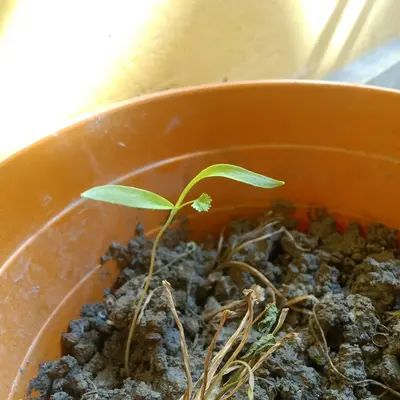
Also known as periwinkle, this European native is prized for its glossy dark green leaves and charming blue flowers that appear from spring through fall. This vigorous spreader quickly covers difficult slopes and shaded areas where other plants struggle. The trailing stems root as they grow, creating an impenetrable carpet that effectively suppresses weeds while adding elegant color to the landscape.
Sun
Full sun to partial shade
Zones
4–9
USDA hardiness
Height
3-6 inches
Planting Timeline
Showing dates for Vinca Minor in USDA Zone 7
All Zone 7 ground-cover →Zone Map
Click a state to update dates
Vinca Minor · Zones 4–9
Growing Details
Complete Growing Guide
Light: Dappled Sunlight (Shade through upper canopy all day), Full sun (6 or more hours of direct sunlight a day), Partial Shade (Direct sunlight only part of the day, 2-6 hours). Soil: Clay, High Organic Matter, Loam (Silt), Sand. Drainage: Good Drainage, Moist, Occasionally Dry. Height: 0 ft. 3 in. - 0 ft. 6 in.. Spread: 0 ft. 6 in. - 1 ft. 6 in.. Spacing: Less than 12 inches. Growth rate: Rapid. Maintenance: High. Propagation: Division, Stem Cutting. Regions: Coastal, Mountains, Piedmont.
Harvesting
Color: Brown/Copper. Type: Follicle.
Harvest time: Fall, Winter
Storage & Preservation
Vinca minor is an ornamental ground cover and does not require food storage or preservation. However, propagation material (cuttings) should be stored in a cool, humid environment at 50-60°F with high humidity to encourage rooting. Keep cuttings moist but not waterlogged. For long-term preservation, establish multiple plantings in suitable garden locations. Seeds, if available, can be stored in a cool, dry place at room temperature for up to 2 years. Propagation by stem cuttings or division is the most practical method to preserve and multiply established plants.
History & Origin
Origin: Europe to Caucasus
Advantages
- +Thrives in shaded areas where most ground covers struggle to establish
- +Creates dense carpet that effectively suppresses weeds without chemical herbicides
- +Produces charming blue flowers continuously from spring through fall
- +Extremely easy to grow and maintain with minimal care requirements
- +Self-propagating trailing stems root as they spread across soil
Considerations
- -Susceptible to root rot in poorly draining or waterlogged soil conditions
- -Prone to stem dieback and canker diseases in humid environments
- -Can become invasive and difficult to control once established
- -Vulnerable to pest infestations like aphids and spider mites in dry weather
Companion Plants
Hostas, astilbe, ferns, and heuchera are the natural partners here — they share vinca's preference for partial shade and moderate moisture without crowding its shallow root zone, and their taller, bolder foliage gives the planting vertical contrast that a 3-to-6-inch ground cover can't supply on its own. Black walnut (Juglans nigra) is a hard no: the roots and leaf litter leach juglone into the surrounding soil, and vinca is sensitive enough that you'll see dieback you'll probably blame on Phoma before you trace it back to the tree. Keep English ivy separate too — not toxicity, just physics: two aggressive spreaders planted within 4 feet of each other will spend the next few seasons in a slow, ugly turf war neither one wins cleanly.
Plant Together
Hosta
Both thrive in partial shade with similar moisture requirements and complement each other aesthetically
Astilbe
Shares preference for moist, shaded conditions and provides vertical interest above the low-growing vinca
Ferns
Natural woodland companions with similar shade and moisture needs, creates layered forest-like appearance
Heuchera
Compatible shade perennial that adds colorful foliage contrast while sharing similar growing conditions
Caladium
Provides seasonal color and texture contrast in shaded areas with similar moisture requirements
Japanese Painted Fern
Thrives in same partial shade conditions and adds silvery foliage texture above the vinca carpet
Lungwort
Early spring bloomer that complements vinca's growing season in shaded, moist woodland conditions
Brunnera
Heart-shaped leaves provide textural contrast and both prefer cool, moist, partially shaded locations
Keep Apart
Black Walnut Trees
Produces juglone which is toxic to vinca minor and inhibits its growth
Mint
Extremely aggressive spreader that competes directly with vinca for space and resources
English Ivy
Both are aggressive ground covers that compete for the same niche and resources
Pests & Disease Resistance
Resistance
Generally disease resistant, may develop canker in stressed conditions
Common Pests
Aphids, scale insects, mites in dry conditions
Diseases
Dieback/canker, root rot in waterlogged soil
Troubleshooting Vinca Minor
What you'll see, why it happens, and what to do about it.
Stems turning brown and shriveling at the base, often spreading patch by patch through an established planting
Likely Causes
- Vinca dieback/canker (Phoma exigua var. exigua) — a fungal pathogen that moves fast in humid, poorly ventilated conditions
- Planting too densely so the mat never dries out between waterings
What to Do
- 1.Cut out and bag every affected stem — don't compost it, the fungus will persist
- 2.Thin the planting aggressively to improve airflow; vinca at 12-inch spacing can knit into an impenetrable mat within two seasons, which is exactly the environment this pathogen prefers
- 3.Avoid overhead irrigation; water at the soil line if you're irrigating at all
Leaves stippled gray-silver, with fine webbing visible on the undersides during hot, dry stretches
Likely Causes
- Two-spotted spider mite (Tetranychus urticae) — thrives when temperatures push past 85°F and humidity drops
- Drought stress making the plant more susceptible to mite colonization
What to Do
- 1.Hit the undersides of leaves with a strong stream of water from a hose — do it three days in a row to knock back populations before they rebound
- 2.Apply insecticidal soap or neem oil at dusk; repeat every 5-7 days for 2-3 applications
- 3.Water consistently during dry spells — drought-stressed vinca gets hit harder and recovers slower
Frequently Asked Questions
Is vinca minor good for beginners?▼
Can you grow vinca minor in containers?▼
How long does it take vinca minor to fill an area?▼
When should I plant vinca minor?▼
How do you propagate vinca minor?▼
What pests should I watch for on vinca minor?▼
Zone-by-Zone Planting Calendar
Growing Guides from Wind River Greens
Sources & References
External authority sources used in compiling this guide.
- ExtensionNC State Extension
See the Methodology page for how this data is sourced, what's AI-assisted, and known limitations.