Tower Salmon
Callistephus chinensis
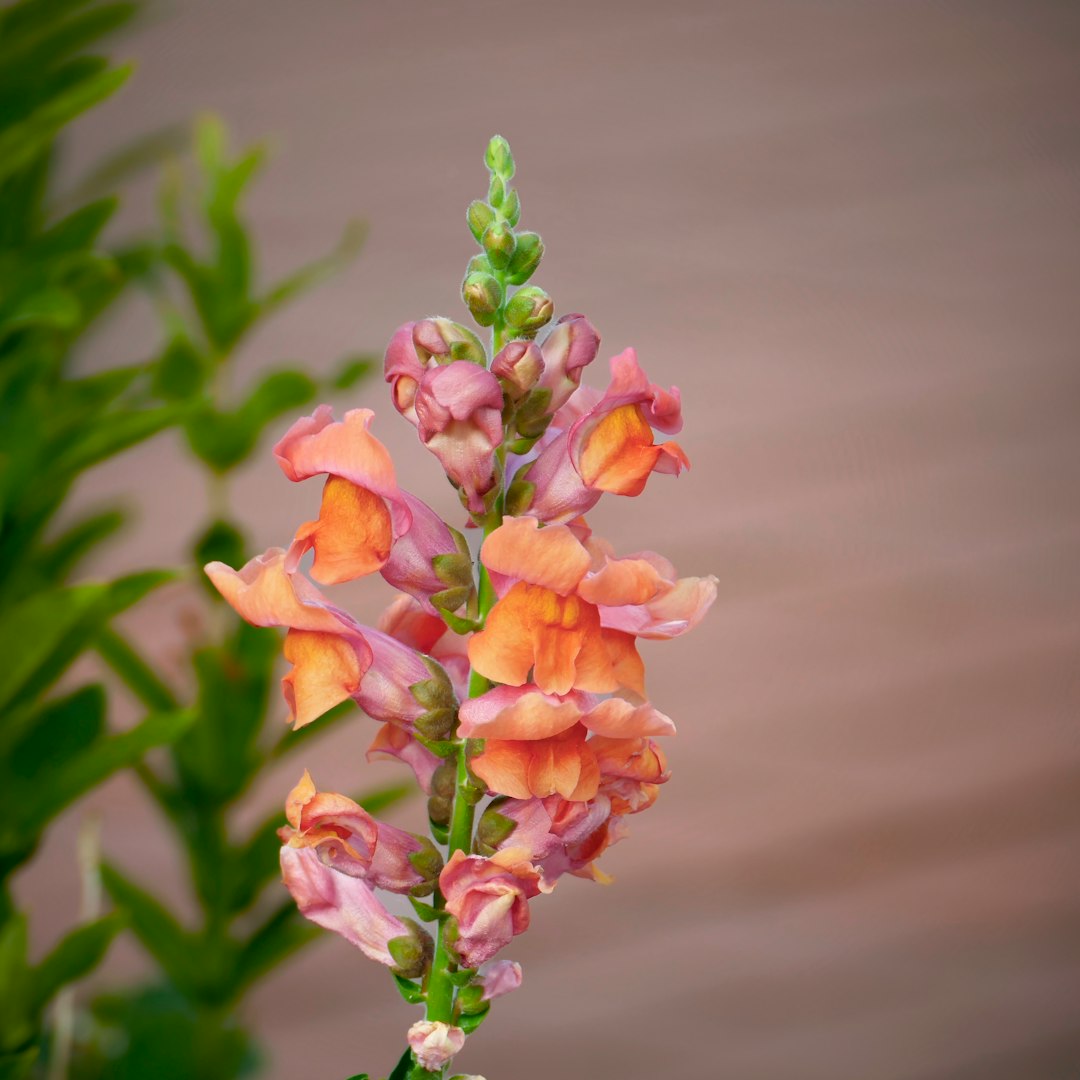
All the elegance and beauty of peonies and garden mums in an easy-to-grow annual. Salmon-pink colored blooms avg. 2-3" with 13-20 stems per plant. Tower features uniform bloom time and plant height across the series and mix. Also known as summer aster.
Harvest
110-120d
Days to harvest
Sun
Full sun to partial shade
Zones
2–11
USDA hardiness
Height
1-3 feet
Planting Timeline
Showing dates for Tower Salmon in USDA Zone 7
All Zone 7 flower →Zone Map
Click a state to update dates
Tower Salmon · Zones 2–11
Growing Details
Succession Planting
Tower Salmon runs 110-120 days to bloom, which makes succession planting tight but worthwhile for a longer cut-flower window. In zone 7, start your first batch indoors in late February, transplant out in mid-April after last frost, and expect blooms in late July or early August. A second batch started indoors in mid-March and transplanted in early May will push blooms into September — that fall flush often has the best color saturation once temperatures drop back below 80°F.
Don't push a third sowing. China asters direct-sown in June in zone 7 tend to hit warm, Fusarium-prone soils before they can establish, and the math on days-to-bloom gets tight before first frost anyway. Two indoor rounds, 3-4 weeks apart, is the practical ceiling.
Complete Growing Guide
All the elegance and beauty of peonies and garden mums in an easy-to-grow annual. Salmon-pink colored blooms avg. 2-3" with 13-20 stems per plant. Tower features uniform bloom time and plant height across the series and mix. Also known as summer aster. According to Johnny's Selected Seeds, Tower Salmon is 110 - 120 days to maturity, annual, open pollinated. Notable features: Use for Cut Flowers and Bouquets.
Light: Full sun (6 or more hours of direct sunlight a day), Partial Shade (Direct sunlight only part of the day, 2-6 hours). Soil: Clay, High Organic Matter, Loam (Silt), Sand. Soil pH: Acid (<6.0), Neutral (6.0-8.0). Drainage: Good Drainage, Moist. Height: 1 ft. 0 in. - 3 ft. 0 in.. Spread: 1 ft. 0 in. - 1 ft. 6 in.. Spacing: Less than 12 inches. Growth rate: Rapid. Maintenance: Medium. Regions: Coastal, Mountains, Piedmont.
Harvesting
Tower Salmon reaches harvest at 110 - 120 days from sowing per Johnny's Selected Seeds. Expect 2-3" at peak. As an annual, harvest continues until frost ends the season.
The fruit is a rough-textured, glandular, purple-mottled cypsela that turns gray with age.
Storage & Preservation
For fresh Tower Salmon flowers, store cut stems in a cool location (65-70°F) with high humidity immediately after cutting. Place stems in clean water and change water every 2-3 days. Flowers last 7-10 days in a vase. For preservation, try air-drying by hanging bundles upside-down in a dark, well-ventilated space for 2-3 weeks. Alternatively, press flowers between parchment paper under heavy weight for 4-6 weeks to preserve for crafts. Freeze-drying is also effective for maintaining color and shape, though requires special equipment.
History & Origin
Tower Salmon is open-pollinated, meaning seed saved from healthy plants will produce true-to-type offspring. Listed in the Johnny's Selected Seeds catalog.
Origin: China and Southern Russia
Advantages
- +Salmon-pink blooms resemble peonies and mums with elegant appearance
- +Easy to grow annual requires minimal gardening experience or skill
- +Produces 13-20 stems per plant for abundant cutting and arrangements
- +Uniform bloom time and height create cohesive, professional garden displays
- +110-120 day maturity provides reliable flowering within standard growing season
Considerations
- -Susceptible to powdery mildew and aster wilt disease in humid climates
- -Requires consistent watering and may struggle in poorly draining soil
- -2-3 inch blooms are smaller than full-sized garden mums for arrangements
Companion Plants
Marigolds (especially Tagetes patula) are the most practical neighbor for Tower Salmon. They deter aphids and thrips through root secretions and volatile compounds — and since thrips are a documented problem for China asters, that deterrence is doing real work, not just looking good. Plant them 12 inches out at the bed edge rather than mixed in; they'll still do the job without competing for root space. Nasturtiums pull double duty: they act as a trap crop for aphids, drawing pressure away from the asters, and they're edible, so you're not sacrificing real estate for nothing. Sweet Alyssum tucked along the row brings in parasitic wasps that prey on aphid colonies — in our zone 7 Georgia gardens, where aphid pressure kicks off in early April and doesn't let up, that kind of biological backup pays off through the whole season.
The harmful companions are worth taking seriously. Black Walnut produces juglone, a root-zone compound that stunts or kills a wide range of plants, and China asters are sensitive to it — don't site Tower Salmon anywhere near an established walnut's drip line, which can extend well beyond the canopy. Fennel is allelopathic to most flowers and vegetables and tends to draw swallowtail caterpillars that'll strip neighboring plants; keep it isolated in its own corner rather than mixed into a flower bed. Eucalyptus releases allelopathic compounds from both its leaves and roots, so if you're growing it as a potted accent nearby, move it before it becomes a problem you're diagnosing backwards.
Plant Together
Marigolds
Repel aphids, whiteflies, and nematodes while attracting beneficial insects
Nasturtiums
Act as trap crops for aphids and cucumber beetles, protecting nearby plants
Sweet Alyssum
Attracts beneficial insects like lacewings and parasitic wasps for natural pest control
Lavender
Repels moths, fleas, and mosquitoes while attracting pollinators
Petunias
Repel aphids, tomato hornworms, and squash bugs naturally
Zinnia
Attracts butterflies and beneficial predatory insects while providing color contrast
Catmint
Deters ants, aphids, and rodents while attracting beneficial pollinators
Cosmos
Attracts beneficial insects and provides structural support in mixed plantings
Keep Apart
Black Walnut
Produces juglone toxin that inhibits growth and can kill sensitive flowering plants
Eucalyptus
Releases allelopathic compounds that suppress growth of nearby plants
Fennel
Inhibits growth of most garden plants through allelopathic root secretions
Troubleshooting Tower Salmon
What you'll see, why it happens, and what to do about it.
Seedlings collapse at the soil line, stems pinched off or rotted just below the surface
Likely Causes
- Damping off — most often Pythium or Rhizoctonia solani, both soil-borne fungi that thrive in wet, poorly drained seed-starting mix
- Overwatering combined with low airflow around the tray
What to Do
- 1.Water from the bottom only, and let the top of the mix dry slightly between waterings
- 2.Run a small fan near your seed trays for 30-60 minutes a day to improve airflow
- 3.If it happens in one cell, pull it immediately — it spreads fast; don't reuse that mix
White powdery coating on upper leaf surfaces, usually appearing mid-summer on established plants
Likely Causes
- Powdery mildew (Erysiphe cichoracearum) — common on China asters in humid conditions, especially when nights cool below 65°F after hot days
- Crowded spacing that limits airflow between plants
What to Do
- 1.Strip and trash affected leaves — don't compost them
- 2.Spray remaining foliage with a diluted baking soda solution (1 tablespoon per gallon of water) weekly as a preventive once you see early signs
- 3.Next season, hold to the full 18-24 inch spacing and stop overhead watering by late afternoon
Plants wilt suddenly and die despite adequate water, with brown discoloration visible if you cut the stem near the base
Likely Causes
- Fusarium wilt (Fusarium oxysporum f. sp. callistephi) — a soil-borne pathogen that blocks water movement inside the stem; very common in China asters
- Planting in a bed that grew asters or other susceptible Asteraceae the previous season
What to Do
- 1.Pull and trash the entire plant — there's no saving it once wilt is established
- 2.Rotate asters out of that bed for at least 3 years; Fusarium persists in soil long after the host is gone
- 3.Source seed from suppliers who sell Fusarium-resistant strains if this recurs in the same beds
Flower buds distorted or failing to open, with tiny pale insects visible on buds and new growth
Likely Causes
- Aster yellows phytoplasma, transmitted by the aster leafhopper (Macrosteles quadrilineatus)
- Western flower thrips (Frankliniella occidentalis) feeding on bud tissue before petals expand
What to Do
- 1.For aster yellows, pull and trash infected plants immediately — there's no treatment and leafhoppers will spread it to healthy plants within the same season
- 2.For thrips, spray with spinosad early in the morning when blooms are closed, repeating every 7 days for 3 applications
- 3.Drape row cover over young transplants until they're well established to cut leafhopper exposure during the most vulnerable 3-4 weeks
Frequently Asked Questions
How long do Tower Salmon flowers last in a vase?▼
Is Tower Salmon a good flower variety for beginners?▼
Can you grow Tower Salmon flowers in containers?▼
When should I plant Tower Salmon seeds?▼
How far apart should Tower Salmon plants be spaced?▼
What pests or diseases affect Tower Salmon flowers?▼
Zone-by-Zone Planting Calendar
| Zone | Indoor Start | Transplant | Direct Sow | Harvest |
|---|---|---|---|---|
| Zone 3 | April – May | June – July | June – August | — |
| Zone 4 | March – April | June – June | June – July | — |
| Zone 5 | March – April | May – June | May – July | — |
| Zone 6 | March – April | May – June | May – July | — |
| Zone 7 | February – March | April – May | April – June | — |
| Zone 8 | February – March | April – May | April – June | — |
| Zone 9 | January – February | March – April | March – May | — |
| Zone 10 | January – January | February – March | February – April | — |
| Zone 1 | May – June | July – August | July – September | — |
| Zone 2 | April – May | June – July | June – August | — |
| Zone 11 | January – January | January – February | January – March | — |
| Zone 12 | January – January | January – February | January – March | — |
| Zone 13 | January – January | January – February | January – March | — |
Growing Guides from Wind River Greens
Sources & References
External authority sources used in compiling this guide.
- BreederJohnny's Selected Seeds
See the Methodology page for how this data is sourced, what's AI-assisted, and known limitations.