Live Oak
Quercus virginiana
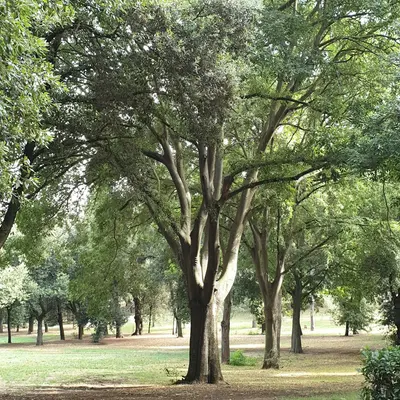
The legendary evergreen oak of the American South, famous for its massive spreading branches draped in Spanish moss and centuries-long lifespan. Live oaks develop incredibly wide, horizontal canopies that can span over 100 feet, creating natural pavilions of dense shade. Their sculptural beauty and extreme longevity make them the ultimate legacy tree for large properties.
Sun
Full sun to partial shade
Zones
8–10
USDA hardiness
Height
40-80 feet
Planting Timeline
Showing dates for Live Oak in USDA Zone 8
All Zone 8 shade-tree →Zone Map
Click a state to update dates
Live Oak · Zones 8–10
Growing Details
Complete Growing Guide
Light: Full sun (6 or more hours of direct sunlight a day), Partial Shade (Direct sunlight only part of the day, 2-6 hours). Soil: Clay, Loam (Silt), Sand. Soil pH: Acid (<6.0), Neutral (6.0-8.0). Drainage: Good Drainage, Moist, Occasionally Dry. Height: 40 ft. 0 in. - 80 ft. 0 in.. Spread: 30 ft. 0 in. - 100 ft. 0 in.. Spacing: more than 60 feet. Growth rate: Medium. Maintenance: Medium. Propagation: Seed. Regions: Coastal.
Harvesting
0.75- 1-inch egg-shaped acorns on long stalks are produced singly or in up to clusters of 5 and have bowl-shaped caps with tiny sharp-pointed scales covering 1/3 of the nut. Fruits are available September-November.
Color: Black, Brown/Copper, Gold/Yellow. Type: Nut. Length: < 1 inch. Width: < 1 inch.
Harvest time: Fall
Edibility: Acorns can be eaten after the tannin has been leached or boiled out.
Storage & Preservation
Live Oak trees do not require storage or preservation in the traditional sense, as they are mature shade trees grown for landscape architecture rather than harvest. For seedlings or propagation materials, store dormant cuttings in cool, humid conditions (40-50°F, 60-70% humidity) in sealed plastic bags with moist perlite or sphagnum moss for 2-4 weeks. Preservation methods include: (1) Cold stratification of seeds in moist sand for 30-60 days to break dormancy; (2) Hardwood cuttings stored in cool, moist conditions over winter for spring propagation; (3) Air-layering branches in summer for cloning established specimens.
History & Origin
Origin: Southeastern United States, Mexico
Advantages
- +Attracts: Butterflies, Moths, Pollinators, Small Mammals, Songbirds
- +Edible: Acorns can be eaten after the tannin has been leached or boiled out.
Considerations
- -Toxic (Leaves, Seeds): Low severity
Companion Plants
Acid-tolerant understory plants are the right neighbors here — azaleas, camellias, and ferns all do well in the dappled light and slightly acidic leaf litter (pH 5.5–6.5) that accumulates under a live oak canopy over the years. Wild ginger and coral bells are good picks for the dry shade that sets in once the tree matures and the canopy closes overhead. Black walnut is the one plant to keep far away: juglone, the allelopathic compound it releases through roots and decomposing hulls, is phytotoxic to a wide range of plants and can set back a young oak's establishment. Eucalyptus and pine draw aggressively from the same shallow soil moisture, which puts real pressure on a live oak's root zone during its first decade.
Plant Together
Azalea
Thrives in acidic soil created by oak leaf litter, compatible shade requirements
Camellia
Enjoys filtered shade and acidic conditions under oak canopy
Ferns
Excellent groundcover for deep shade areas, helps retain soil moisture
Hostas
Tolerates shade well and benefits from protection from harsh sun
Coral Bells
Thrives in partial shade and adds color to understory plantings
Japanese Maple
Benefits from filtered light and wind protection provided by oak canopy
Wild Ginger
Native groundcover that spreads well in oak shade and moist conditions
Astilbe
Prefers shade and moist soil conditions found under oak trees
Keep Apart
Black Walnut
Produces juglone which is toxic to oak roots and inhibits growth
Eucalyptus
Allelopathic compounds suppress oak growth and compete aggressively for water
Pine Trees
Creates overly acidic soil conditions and competes for similar nutrients
Pests & Disease Resistance
Resistance
Excellent disease and pest resistance
Common Pests
Scale insects, gall wasps, caterpillars
Diseases
Oak wilt (rare), root rot in poorly drained soils
Troubleshooting Live Oak
What you'll see, why it happens, and what to do about it.
Bumpy or warty growths on leaves or twigs, appearing in spring or early summer
Likely Causes
- Cynipid gall wasps (various Cynips and Andricus species) — they lay eggs in leaf or twig tissue, and the tree forms a gall around the larva
- Mostly cosmetic; rarely affects tree health unless infestation is severe over multiple consecutive seasons
What to Do
- 1.Do nothing in most cases — a healthy, established live oak shrugs off gall wasps without intervention
- 2.Rake and dispose of fallen galled leaves in autumn to reduce the local wasp population modestly
- 3.If a young tree (under 5 years) shows heavy twig galling two years running, prune affected twigs back to clean wood in late winter
Sticky, shiny coating on leaves and branches (sometimes with black sooty mold following), often on lower canopy or interior branches
Likely Causes
- Scale insects (commonly Oak Lecanium Scale, Parthenolecanium quercifex) excreting honeydew
- Drought-stressed trees draw heavier scale pressure — water deficit is a more reliable predictor than planting density alone
What to Do
- 1.For young trees, apply horticultural oil in late winter before bud break, coating all bark surfaces thoroughly
- 2.Preserve natural predators — lady beetles and parasitic wasps keep scale populations manageable on mature trees; avoid broad-spectrum insecticides that knock them out
- 3.Address drought stress directly: run a soaker hose for 2–3 hours around the drip line during dry stretches
Sudden wilting and rapid browning of leaves from branch tips inward, spreading through the canopy over days to weeks
Likely Causes
- Oak wilt (Bretziella fagacearum) — a vascular fungal disease; less common in live oaks than in red oaks, but it does occur
- Transmission via sap-feeding nitidulid beetles visiting fresh pruning wounds, or through root grafts with an infected tree within 50 feet
What to Do
- 1.Call your county extension office before doing anything else — oak wilt is a reportable disease in some states and confirmation requires lab testing
- 2.Avoid pruning oaks between March and July, when nitidulid beetles are most active and fresh wounds are most vulnerable
- 3.If oak wilt is confirmed, a certified arborist can evaluate propiconazole trunk injection, which NC State Extension notes can suppress spread in live oaks when caught early
Yellowing leaves, stunted growth, and general decline in a tree planted within the last 3 years — especially after a wet winter or spring
Likely Causes
- Root rot (Phytophthora cinnamomi or Armillaria species) from poorly drained or chronically saturated soil
- Root flare buried at planting — one of the most consistent ways to kill a live oak slowly
What to Do
- 1.Check the root flare: it should sit at or just above grade. If it's buried under soil or mulch, pull everything back until the flare is exposed
- 2.Don't site live oaks in low spots that hold standing water for more than 24 hours after rain — if you're stuck with that spot, build a raised planting mound 12–18 inches high
- 3.Back off irrigation on established trees; in zones 8–10, a live oak past its second year rarely needs supplemental water except during a prolonged drought of 6+ weeks
Frequently Asked Questions
How long does it take for a Live Oak tree to mature and reach full canopy size?▼
Can Live Oak trees be grown in containers or as smaller specimens?▼
Is the Live Oak a good choice for beginner gardeners?▼
When should I plant a Live Oak tree?▼
How much space does a mature Live Oak tree need?▼
Are Live Oaks susceptible to diseases or pest problems?▼
Zone-by-Zone Planting Calendar
Growing Guides from Wind River Greens
Sources & References
External authority sources used in compiling this guide.
- ExtensionNC State Extension
See the Methodology page for how this data is sourced, what's AI-assisted, and known limitations.