Perennial Ryegrass
Lolium perenne
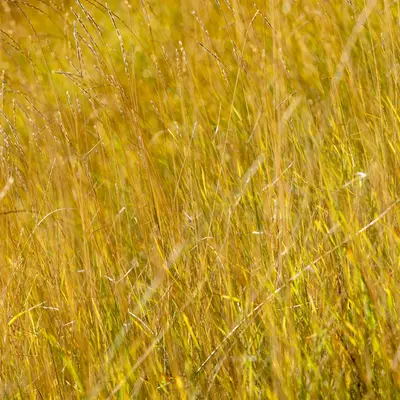
A fast-establishing, cool-season grass that's perfect for high-traffic areas and quick lawn repairs. Known for its rapid germination and excellent wear tolerance, making it ideal for sports fields and family lawns. Its fine texture and bright green color provide an attractive lawn that can handle kids and pets.
Sun
Full sun to partial shade
Zones
3–8
USDA hardiness
Height
3-3 inches
Planting Timeline
Showing dates for Perennial Ryegrass in USDA Zone 7
All Zone 7 grass →Zone Map
Click a state to update dates
Perennial Ryegrass · Zones 3–8
Growing Details
Succession Planting
Perennial ryegrass is seeded in defined windows, not in rolling successions the way a salad crop would be. For zone 7, the main seeding window is late August through mid-October — soil temps between 50°F and 65°F produce the fastest germination (5–10 days), and the stand has time to root in before hard frost. A spring seeding from March through May is possible, but summer heat arrives before the grass fully matures, so fall establishment almost always produces a stronger, denser stand.
If you're overseeding a thin or damaged area rather than starting from scratch, get seed down at least 6 weeks before the first expected frost. Don't seed in June or July in zones 6–8; soil temps above 75°F drag germination down sharply, and young plants that sprout in that heat rarely carry through to fall in usable condition.
Complete Growing Guide
Light: Full sun (6 or more hours of direct sunlight a day), Partial Shade (Direct sunlight only part of the day, 2-6 hours). Soil: Clay, Loam (Silt), Sand. Soil pH: Acid (<6.0), Alkaline (>8.0), Neutral (6.0-8.0). Drainage: Good Drainage, Moist. Height: 0 ft. 3 in. - 0 ft. 3 in.. Spread: 0 ft. 3 in. - 0 ft. 3 in.. Growth rate: Rapid. Maintenance: High, Medium. Propagation: Seed. Regions: Mountains.
Harvesting
Perennial ryegrass reaches peak readiness for harvesting when the leaf blades display a vibrant, deep green color and individual shoots feel firm and dense to the touch, typically at 3-3.5 inches in height. Unlike single-harvest crops, this grass benefits from a continuous harvesting pattern through regular mowing, which encourages denser growth and stronger root development rather than one discrete harvest event. For optimal results, begin mowing when the grass reaches approximately one-third taller than your desired final height, removing no more than one-third of the blade length in a single cutting to maintain plant vigor and prevent stress during the active growing season.
Type: Caryopsis.
Storage & Preservation
Perennial ryegrass seed should be stored in a cool, dry location, ideally between 50-70°F with 40-50% humidity to maintain viability. Store in airtight containers away from direct sunlight. Seeds can remain viable for 3-5 years under proper conditions. Preservation methods include: (1) vacuum-sealed packaging with desiccant packets to reduce moisture exposure, (2) cold storage in a refrigerator at 35-40°F for extended shelf life, and (3) freezing at 0°F or below for long-term storage of up to 10+ years when properly sealed.
History & Origin
Origin: Europe, Asia, Africa
Advantages
- +Germinates rapidly, establishing thick coverage within weeks
- +Exceptional wear tolerance makes it ideal for high-traffic lawns
- +Fine texture and vibrant green color enhance aesthetic appeal
- +Handles heavy foot traffic from children and pets well
Considerations
- -Susceptible to brown patch, pythium blight, and red thread diseases
- -Vulnerable to chinch bugs, sod webworms, and white grub damage
- -Requires consistent moisture; struggles during extended drought periods
Companion Plants
White clover is the most useful thing you can mix into a perennial ryegrass stand. It fixes atmospheric nitrogen at roughly 100–200 lbs per acre per year, which feeds the ryegrass directly and cuts down on how often you need to fertilize. Red fescue fills in the shadier, drier spots where ryegrass thins out — the two species tolerate different stress conditions and root at slightly different depths, so a blended stand holds together better than either planted alone. Chicory, plantain, and yarrow show up in commercial "eco-lawn" mixes for good reason: their deep taproots break up compaction at 12–18 inches, pulling up minerals that shallow-rooted ryegrass simply can't reach.
Bermuda grass is the one to keep out entirely. It spreads via both stolons and rhizomes and will overtake a ryegrass stand within a season or two in warmer zones — the two grasses aren't competing so much as one is replacing the other. Tall fescue causes a different problem: its coarse, clumping growth habit creates uneven surface texture and it pulls hard at the same moisture and nutrients, crowding out the finer-leafed ryegrass over time. Crabgrass (Digitaria sanguinalis) is mostly an opportunist that moves into bare or thin patches, but seeing it spread is a reliable sign the ryegrass stand is already stressed — check fertility and mowing height before reaching for a herbicide.
Plant Together
White Clover
Fixes nitrogen in soil, improving grass nutrition and creating a durable mixed lawn
Red Fescue
Complementary growth habits, improves drought tolerance and overall turf density
Kentucky Bluegrass
Creates strong turf mixture with improved disease resistance and wear tolerance
Timothy Grass
Compatible for pasture mixtures, provides structural diversity and extended grazing season
Chicory
Deep taproot breaks up compacted soil and provides minerals, beneficial in pasture mixes
Plantain
Natural companion in lawns, indicates soil compaction and provides medicinal benefits
Dandelion
Deep taproot aerates soil and brings nutrients to surface, beneficial for grass root development
Yarrow
Improves soil structure, attracts beneficial insects, and tolerates foot traffic like grass
Keep Apart
Crabgrass
Aggressive annual grass that competes directly for space, nutrients, and water
Tall Fescue
Can be allelopathic to other grasses and tends to dominate, creating patchy lawn appearance
Bermuda Grass
Extremely aggressive growth can overwhelm perennial ryegrass, especially in warm climates
Pests & Disease Resistance
Resistance
Moderate resistance to brown patch and leaf spot
Common Pests
Chinch bugs, sod webworms, white grubs
Diseases
Brown patch, pythium blight, red thread
Troubleshooting Perennial Ryegrass
What you'll see, why it happens, and what to do about it.
Irregular tan or straw-colored patches, 2–6 inches across, appearing in summer heat — grass blades chewed off at the thatch line
Likely Causes
- Sod webworm (Crambus spp.) larvae feeding at night near the soil surface
- Chinch bugs (Blissus leucopterus) sucking plant fluids, especially in dry, sunny spots
What to Do
- 1.Do a soap flush test (2 tablespoons dish soap per gallon of water poured over 1 sq ft) — if sod webworm larvae surface within 10 minutes, you've confirmed the culprit
- 2.For chinch bugs, part the grass near the edge of the damaged zone and look for the small black-and-white adults; treat with a pyrethrin-based insecticide if populations are heavy
- 3.Raise mowing height to 3 inches to reduce stress — drought-stressed ryegrass is far more vulnerable to both pests
Large, roughly circular brown patches, 6 inches to several feet across, with a darker smoke-ring border appearing in humid weather above 80°F
Likely Causes
- Brown patch (Rhizoctonia solani) — a soil-borne fungus that explodes when nights stay above 70°F and the canopy stays wet
- Excess nitrogen fertilizer pushing lush, disease-susceptible growth
What to Do
- 1.Pull back all nitrogen applications once nighttime temps consistently exceed 70°F — NC State Extension specifically flags this timing for perennial ryegrass management
- 2.Water in the early morning only, so the canopy dries before evening
- 3.If the stand is thinning badly, a fungicide containing azoxystrobin or propiconazole can slow spread, but fix the watering and fertility habits first or it'll be back by the next humid stretch
Grass takes on a pinkish-red cast, blades look thread-bound, thin growth that doesn't fill back in after mowing
Likely Causes
- Red thread (Laetisaria fuciformis) — a fungal disease favored by cool, wet weather between 50–75°F and low soil nitrogen
- Nitrogen deficiency, which is the primary reason red thread gets a foothold in the first place
What to Do
- 1.Apply a slow-release nitrogen fertilizer at 0.5–1 lb of actual nitrogen per 1,000 sq ft — red thread almost always backs off once the grass has enough nitrogen to outgrow the infection
- 2.Collect and bag clippings while symptoms are active to avoid spreading fungal material across the lawn
- 3.Improve drainage if the area stays soggy; red thread rarely persists in a stand that dries out between waterings
Frequently Asked Questions
How long does it take for perennial ryegrass to germinate and establish?▼
Is perennial ryegrass good for beginners?▼
Can perennial ryegrass handle heavy foot traffic and pets?▼
When should I plant or overseed perennial ryegrass?▼
What's the difference between perennial ryegrass and tall fescue?▼
How much sun does perennial ryegrass need?▼
Zone-by-Zone Planting Calendar
Growing Guides from Wind River Greens
Sources & References
External authority sources used in compiling this guide.
- ExtensionNC State Extension
See the Methodology page for how this data is sourced, what's AI-assisted, and known limitations.