Cup Plant
Silphium perfoliatum
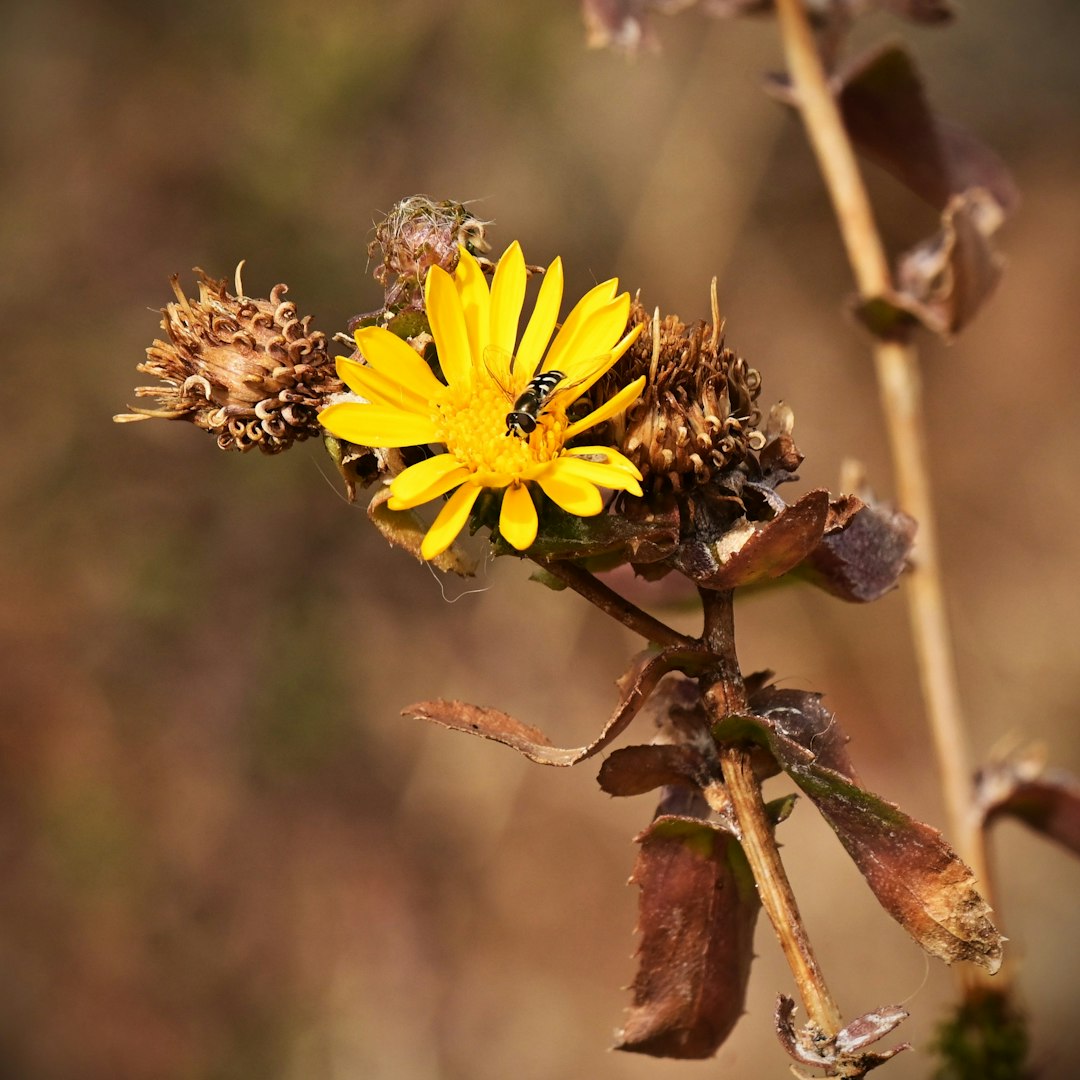
Cup Plant (Silphium perfoliatum) is a perennial native wildflower. Hardy in USDA zones 3 to 9. Prefers full sun.
Sun
Full sun to partial shade
Zones
3–9
USDA hardiness
Height
4-8 feet
Planting Timeline
Showing dates for Cup Plant in USDA Zone 7
All Zone 7 native-wildflower →Zone Map
Click a state to update dates
Cup Plant · Zones 3–9
Growing Details
Complete Growing Guide
Light: Full sun (6 or more hours of direct sunlight a day), Partial Shade (Direct sunlight only part of the day, 2-6 hours). Soil: Loam (Silt). Soil pH: Acid (<6.0), Alkaline (>8.0), Neutral (6.0-8.0). Drainage: Good Drainage, Moist, Occasional Flooding, Occasionally Dry, Occasionally Wet. Height: 4 ft. 0 in. - 8 ft. 0 in.. Spread: 1 ft. 0 in. - 3 ft. 0 in.. Spacing: 3 feet-6 feet. Growth rate: Medium. Maintenance: Low. Propagation: Seed. Regions: Mountains, Piedmont.
Harvesting
Displaying from July to September, the fruit is a winged seed. They are formed from the ray flowers from the outer ring of the disk.
Harvest time: Summer
Storage & Preservation
Cup Plant is not typically harvested for food storage. However, if you're saving seed, allow flower heads to dry completely on the plant (October–November), then cut stems and hang them upside down in a cool, dry location (50–60°F, low humidity) for 2–3 weeks. Once fully desiccated, rub seed heads over a paper to release seeds, then store seeds in an airtight container in a cool, dark place. Properly dried and stored seeds remain viable for 2–3 years.
For dried arrangements, cut stems with seed heads when flowers have faded but heads are still green-gold, then hang bundles upside down in a warm, airy space for 3–4 weeks. Once fully dry, store in a cool, dry location away from direct sunlight—they'll retain their form and color for years. Cup Plant's dried stems and seed heads are prized by florists and arrangement enthusiasts for their sculptural quality.
History & Origin
Origin: Southeastern US
Advantages
- +Attracts: Bees, Butterflies, Hummingbirds, Pollinators, Predatory Insects, Songbirds
- +Low maintenance
Companion Plants
Purple Coneflower (Echinacea purpurea) and Wild Bergamot (Monarda fistulosa) are the most useful pairings here — all three bloom across a similar summer window, tolerate the same range of soil pH (6.0–8.0), and together draw a wider range of native bees and butterflies than any single plant manages on its own. Joe Pye Weed and New England Aster extend the sequence into fall without fighting Cup Plant for root space. Black Walnut (Juglans nigra) is the one to plant nowhere near it — juglone, the allelopathic compound in walnut roots and leaf litter, suppresses many native forbs; Crown Vetch compounds the problem by spreading so aggressively at ground level that it smothers any competitor before juglone even becomes a factor.
Plant Together
Purple Coneflower
Similar growing conditions, attracts beneficial pollinators and extends bloom season
Wild Bergamot
Complements cup plant's moisture needs and attracts diverse beneficial insects
Joe Pye Weed
Shares similar height and water requirements, creates habitat for butterflies
Cardinal Flower
Thrives in similar moist conditions and attracts hummingbirds
New England Aster
Provides late-season blooms when cup plant declines, supports migrating butterflies
Swamp Milkweed
Compatible moisture needs and attracts monarch butterflies
Blue Flag Iris
Tolerates wet conditions and provides contrasting flower form
Wild Ginger
Ground cover that thrives in cup plant's partial shade
Keep Apart
Black Walnut
Produces juglone which inhibits growth of many native plants including cup plant
Autumn Olive
Invasive shrub that outcompetes native plants and alters soil chemistry
Crown Vetch
Aggressive spreader that can smother cup plant and other native wildflowers
Pests & Disease Resistance
Common Pests
Japanese beetles, grasshoppers (rarely problematic)
Diseases
Powdery mildew in humid conditions (with poor air circulation); generally disease-resistant
Troubleshooting Cup Plant
What you'll see, why it happens, and what to do about it.
Leaves covered in white powdery coating, usually on upper surface, mid to late summer
Likely Causes
- Powdery mildew (Erysiphe cichoracearum or similar) — thrives when humidity is high and air movement is low
- Plants spaced too close together, blocking airflow between the large leaves
What to Do
- 1.Thin overcrowded stems at the base to open up the canopy — Cup Plant clumps spread year over year, so plan to do this annually
- 2.Avoid overhead watering in the evening; water at the base in the morning instead
- 3.If the plant is otherwise healthy, you can leave it — powdery mildew rarely kills an established Silphium perfoliatum, and by fall it won't matter
Leaves chewed along the margins or riddled with irregular holes, midsummer
Likely Causes
- Japanese beetles (Popillia japonica) — skeletonize leaves and tend to cluster, so damage appears concentrated
- Grasshoppers — less common, but active in hot, dry spells and create similar ragged damage
What to Do
- 1.Hand-pick Japanese beetles in the early morning when they're sluggish and drop them into soapy water
- 2.Apply kaolin clay spray to foliage as a physical deterrent before peak beetle pressure (typically June–July in most zones)
- 3.Accept moderate defoliation — at 4–8 feet, Cup Plant can absorb significant insect pressure without meaningful loss of pollinator value
No emergence from direct-sown seed after 30 days, or new transplants wilting despite adequate watering
Likely Causes
- Skipped cold stratification — Silphium perfoliatum seed needs 60–90 days of cold, moist stratification to break dormancy reliably
- Seed sown too deep — surface contact works; burial past ¼ inch suppresses germination
- Transplant shock in plants moved into hot soil without enough root development
What to Do
- 1.For direct sowing, put seed in the ground in fall and let winter handle stratification naturally — spring-sown unstratified seed tends to just sit there until the following year
- 2.If starting indoors, cold-stratify seed in a damp paper towel in the refrigerator for 8–12 weeks before sowing
- 3.Transplant in May or early June before heat peaks, and mulch the root zone with 2–3 inches of straw to hold soil moisture through establishment
Frequently Asked Questions
How long does Cup Plant take to grow to full size?▼
Is Cup Plant good for beginners?▼
Can you grow Cup Plant in containers?▼
What are the cup-shaped things on Cup Plant leaves?▼
When should I plant Cup Plant seeds?▼
Does Cup Plant spread or self-seed?▼
Zone-by-Zone Planting Calendar
Growing Guides from Wind River Greens
Sources & References
External authority sources used in compiling this guide.
- ExtensionNC State Extension
See the Methodology page for how this data is sourced, what's AI-assisted, and known limitations.