Emerald Blueberry
Vaccinium corymbosum 'Emerald'
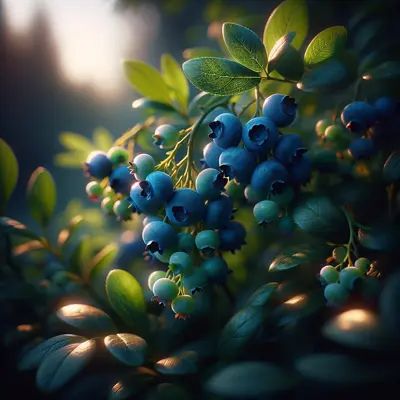
A revolutionary southern highbush blueberry that produces massive, sweet berries without requiring winter chill hours. Perfect for warm climates where traditional blueberries struggle, Emerald offers exceptional fruit quality with a long harvest season that extends from late spring through early summer.
Harvest
60-90d
Days to harvest
Sun
Full sun to partial shade
Zones
3–8
USDA hardiness
Height
6-12 feet
Planting Timeline
Showing dates for Emerald Blueberry in USDA Zone 7
All Zone 7 berry →Zone Map
Click a state to update dates
Emerald Blueberry · Zones 3–8
Growing Details
Complete Growing Guide
This low-chill cultivar thrives in warm zones (8–11) where standard highbushes fail, requiring fewer than 300 winter chill hours compared to traditional varieties' 800+ hours, making it ideal for southern gardens. Plant in acidic soil (pH 4.5–5.5) with excellent drainage and afternoon shade in hot climates to prevent berry sunscald. Emerald produces prolifically without cross-pollination, though a compatible pollinator increases yields. The extended harvest window means staggered ripening rather than a concentrated crop, so plan multiple pickings from late May through July. Watch for spider mites in dry conditions and leaf spot diseases in humidity; ensure consistent moisture during fruit development to prevent splitting. One key advantage: Emerald remains compact and manageable compared to other highbushes, rarely exceeding 8 feet, so it fits smaller landscapes while still delivering substantial harvests. Prune minimally in year one; focus on removing weak canes.
Light: Full sun (6 or more hours of direct sunlight a day), Partial Shade (Direct sunlight only part of the day, 2-6 hours). Soil: Clay, Loam (Silt), Sand. Soil pH: Acid (<6.0). Drainage: Good Drainage, Moist, Occasionally Dry. Height: 6 ft. 0 in. - 12 ft. 0 in.. Spread: 6 ft. 0 in. - 10 ft. 0 in.. Spacing: 6-feet-12 feet. Growth rate: Medium. Maintenance: Medium. Propagation: Seed, Stem Cutting. Regions: Mountains, Piedmont.
Harvesting
Emerald blueberries reach peak harvest readiness when they display a deep, glossy blue color with no traces of red or purple undertones, achieve a diameter of approximately three-quarters of an inch, and yield slightly to gentle finger pressure without feeling mushy. Unlike single-harvest varieties, Emerald produces fruit continuously throughout its extended season, requiring multiple pickings over several weeks rather than one concentrated harvest. For optimal sweetness, allow berries to remain on the bush for three to five days after they turn fully blue, as this cultivar develops its signature sweetness relatively slowly compared to traditional highbush varieties. Pick berries in the early morning when they are cool and firm, which improves shelf life and flavor intensity. Consistent harvesting encourages the plant to continue flowering and producing new fruit throughout the season.
Blue to purple small round fruits that show up in August, ripening from a green to pink color to full ripeness. Females cannot produce fruit on their own. Fruit is edible.
Color: Blue, Green, Pink, Purple/Lavender. Type: Berry. Length: < 1 inch. Width: < 1 inch.
Garden value: Edible
Harvest time: Summer
Edibility: The berries are edible and have been used raw, sun-dried. smoke-dried, and baked. They have high iron content.
Storage & Preservation
Fresh Emerald blueberries store exceptionally well due to their firm texture. Keep unwashed berries in the refrigerator in their original container or a breathable container for up to 10-14 days. The natural waxy bloom on the berries helps preserve freshness.
For freezing, spread berries on baking sheets and freeze individually before transferring to freezer bags – this prevents clumping and maintains berry integrity. Frozen Emerald berries retain their structure better than many varieties when thawed. They excel in jams and jellies due to their balanced sweet-tart flavor and natural pectin content. Dehydrate at 135°F for 12-18 hours for chewy dried berries, though their large size means longer drying times than smaller varieties. The high sugar content makes them excellent candidates for fruit leather and concentrated preserves.
History & Origin
The Emerald Blueberry emerges from the southern highbush breeding programs developed primarily at the University of Florida and partnering institutions, designed to create cultivars suited to warm climates with minimal winter chill requirements. While specific breeder attribution and exact release year remain incompletely documented in widely accessible sources, Emerald represents the culmination of decades of crossbreeding work focused on expanding blueberry cultivation beyond traditional cold-hardy zones. The variety likely draws from germplasm pools that include both northern highbush and rabbiteye blueberry lineages, selected for heat tolerance, productivity, and fruit quality. This breeding approach reflects a broader initiative to democratize blueberry growing across regions where conventional varieties historically faltered due to insufficient chilling hours.
Origin: Eastern North America
Advantages
- +No winter chill requirement makes Emerald ideal for warm southern climates
- +Massive berries with excellent sweet flavor perfect for fresh eating
- +Extended harvest season from late spring through early summer maximizes yield
- +Easy to moderate difficulty suitable for both beginner and experienced gardeners
- +High fruit quality and exceptional taste justify premium plant investment
Considerations
- -Susceptible to spotted wing drosophila requiring vigilant pest management strategies
- -Requires well-drained soil or develops root rot in poorly drained conditions
- -Vulnerable to anthracnose and powdery mildew in humid warm climates
- -Bird pressure during fruiting season necessitates netting or other protection methods
Companion Plants
The best companions for Emerald blueberry are plants that either share its extreme pH requirements or keep their roots out of its way. Azaleas, rhododendrons, and camellias all thrive in the same 4.5-5.5 range, so you can maintain one acidic bed without fighting competing soil chemistry — in our zone 7 Georgia gardens, the camellias also carry the planting through winter while the blueberries are bare sticks. Ferns and wintergreen fill in the understory without pulling hard on water. Black walnut is a flat no: juglone moves through the soil and will stunt or kill blueberries planted within its root zone. Tomatoes and brassicas belong somewhere else entirely — they want neutral-to-alkaline conditions, and growing them close means one crop's pH gets neglected, and it won't be the tomato.
Plant Together
Azalea
Shares similar acidic soil requirements and shallow root system
Rhododendron
Thrives in same acidic, well-draining soil conditions
Pine Trees
Naturally acidifies soil through needle drop, creates ideal pH
Ferns
Tolerates acidic soil and provides natural mulch layer
Cranberry
Compatible root zones and shared preference for acidic, moist soil
Wintergreen
Acts as living mulch while thriving in acidic conditions
Wild Ginger
Provides ground cover and attracts beneficial insects for pollination
Camellia
Shares acid-loving nature and attracts pollinators with early blooms
Keep Apart
Black Walnut
Releases juglone toxin that inhibits blueberry growth and fruit production
Tomato
Requires alkaline soil conditions that are detrimental to blueberry health
Brassicas
Heavy feeders that compete aggressively for nutrients and prefer neutral pH
Nutrition Facts
Per 100g serving. % Daily Value based on 2,000 calorie diet. Source: USDA FoodData Central (FDC #2346411)
Pests & Disease Resistance
Resistance
Good resistance to common blueberry diseases
Common Pests
Birds, aphids, scale insects, spotted wing drosophila
Diseases
Root rot (in poorly drained soil), anthracnose, powdery mildew
Troubleshooting Emerald Blueberry
What you'll see, why it happens, and what to do about it.
Berries shriveling or disappearing from clusters before you get to pick them
Likely Causes
- Bird pressure — robins, mockingbirds, and cedar waxwings will strip a bush in a morning
- Spotted wing drosophila (Drosophila suzukii) — larvae tunnel inside ripe fruit, causing early collapse
What to Do
- 1.Net the bushes before fruit starts to color — once birds find the bush, netting after the fact barely helps
- 2.For spotted wing drosophila, set out apple cider vinegar traps starting in June to monitor pressure; if you're catching adults, harvest ripe fruit every 2-3 days so larvae don't complete their cycle
- 3.Refrigerate harvested fruit promptly — SWD larvae continue developing at room temperature
Leaves yellowing between the veins while the veins themselves stay green (interveinal chlorosis), especially on new growth
Likely Causes
- Iron deficiency caused by soil pH too high — Emerald blueberry needs pH 4.5-5.5, and at pH 6.0+ iron becomes chemically unavailable even if it's present in the soil
- Waterlogged roots restricting nutrient uptake
What to Do
- 1.Test your soil pH before doing anything else — a $15 meter or a county extension test will tell you where you actually stand
- 2.If pH is above 5.5, work elemental sulfur into the top 6 inches around the drip line; expect it to take 2-3 months to drop pH measurably
- 3.Switch to an acid-formulated fertilizer — ammonium sulfate is the standard recommendation from NC State Extension — or acidify your irrigation water temporarily with a small amount of citric acid
White powdery coating on young leaves and shoot tips, usually appearing mid-summer
Likely Causes
- Powdery mildew — a fungal infection that thrives in warm days (75-85°F), cool nights, and poor airflow
- Overcrowded planting inside the 4-6 foot spacing window
What to Do
- 1.Prune out the worst-affected shoots and dispose of them — don't compost blueberry prunings with active disease
- 2.Spray with a potassium bicarbonate solution or a sulfur-based fungicide; avoid sulfur applications when temps are above 90°F or you'll burn the foliage
- 3.Open up the canopy with annual dormant-season pruning to improve airflow — this does more long-term good than any spray
Wilting, slow decline, and dark water-soaked roots when you dig up a struggling plant
Likely Causes
- Phytophthora root rot — an oomycete pathogen that moves fast in saturated soil, especially in Georgia's heavy clay
- Planting in a low spot that holds water after rain
What to Do
- 1.A plant already showing crown-level decline has poor odds — remove it and don't replant blueberries in that spot without fixing drainage first
- 2.Build raised beds or mounded rows at least 12-18 inches above grade if your native soil is clay-heavy
- 3.Amend planting holes with pine bark fines (not peat alone) to improve drainage while holding the acidic pH Emerald needs
Frequently Asked Questions
How long does Emerald blueberry take to produce fruit?▼
Can you grow Emerald blueberry in containers?▼
What does Emerald blueberry taste like?▼
Do Emerald blueberries need full sun?▼
When should I plant Emerald blueberry?▼
Emerald vs Duke blueberry - what's the difference?▼
Zone-by-Zone Planting Calendar
Growing Guides from Wind River Greens
Sources & References
External authority sources used in compiling this guide.
See the Methodology page for how this data is sourced, what's AI-assisted, and known limitations.